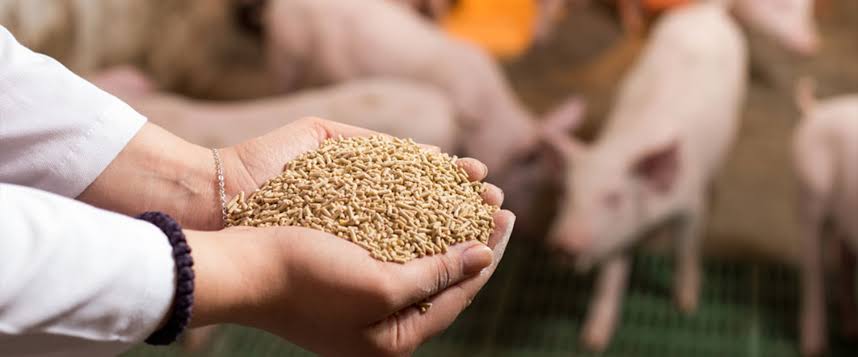
Feed is the most important factor in successful pig farming. In fact, feed can account for up to 60–70 percent of the total cost of pig production. For many farmers, buying commercial pig feed is expensive, which is why feed mixing at the farm level has become a practical solution. When done correctly, mixing pig feed allows farmers to reduce costs while ensuring pigs receive balanced nutrition.
This guide explains how pig feed is mixed, the nutrients pigs need, and how farmers can prepare quality feed for different stages of pig growth.
Importance of proper pig nutrition
Pigs require balanced nutrition to grow quickly, reproduce efficiently, and remain healthy. Poor feeding leads to slow growth, weak immunity, and low productivity. A well-balanced pig diet contains energy, protein, vitamins, minerals and fiber.
Energy feeds provide fuel for growth and daily activity. Protein supports muscle development and body tissue repair. Minerals and vitamins strengthen bones, improve metabolism and maintain overall health.
When mixing pig feed, farmers must combine ingredients that supply these essential nutrients in the correct proportions.
Common ingredients used in pig feed
Pig feed is usually made from a mixture of energy sources, protein sources, and mineral supplements. Energy ingredients provide the calories pigs need for growth. These commonly include maize, wheat bran, sorghum and cassava meal.
Protein ingredients are necessary for muscle development and include soybean meal, sunflower cake, cottonseed cake and fish meal. These ingredients improve weight gain and feed efficiency.
Mineral supplements such as salt, lime, and premixes are added in small quantities to provide essential vitamins and minerals. Premixes are particularly important because they contain nutrients that may not be available in other ingredients.
Using locally available ingredients helps farmers reduce feed costs without compromising nutrition.
Pig feed requirements at different growth stages
Pigs require different nutrient levels depending on their age and stage of production. Young piglets need highly nutritious feed with higher protein levels to support rapid growth and development.
Grower pigs require balanced feed that promotes steady weight gain and strong body development. At this stage, the diet should provide adequate energy and moderate protein levels.
Finisher pigs require feed that supports rapid weight gain and fat deposition before market. Their feed typically contains slightly lower protein but higher energy content.
Pregnant and lactating sows require additional nutrients to support reproduction and milk production.
Understanding these stages helps farmers mix appropriate feed that meets the nutritional needs of their pigs.
How to mix pig feed properly
Successful feed mixing requires accurate measurements and proper ingredient blending. Farmers should first measure each ingredient according to the required ratio. Accurate weighing ensures the feed provides the correct nutrient balance.
After measuring, the ingredients should be mixed thoroughly to achieve uniform distribution. This can be done using a feed mixer or manually on a clean floor or large container. Uniform mixing prevents pigs from consuming uneven nutrient levels.
It is important to grind larger ingredients such as maize before mixing. Grinding improves digestibility and allows pigs to absorb nutrients more efficiently.
Clean equipment and storage containers should always be used to prevent contamination.
Storage of mixed pig feed
Proper storage is necessary to maintain feed quality and prevent spoilage. Mixed feed should be stored in dry, well-ventilated areas to avoid moisture accumulation.
Moisture encourages mold growth, which can produce harmful toxins that affect pig health. Feed should be stored in sealed bags or containers and kept away from rodents and pests.
Farmers should prepare feed in quantities that can be used within a short period to maintain freshness.
Benefits of mixing pig feed at the farm
Mixing pig feed on the farm provides several advantages. It reduces dependence on expensive commercial feeds, allowing farmers to control production costs.
Farmers also gain control over ingredient quality and can adjust feed formulas depending on availability and price of raw materials. This flexibility makes pig farming more sustainable and profitable.
Another benefit is improved feed efficiency. When pigs receive properly balanced feed, they grow faster, convert feed more efficiently, and reach market weight sooner.
Common mistakes to avoid when mixing pig feed
One of the most common mistakes farmers make is guessing ingredient quantities instead of measuring accurately. Incorrect ratios may lead to nutrient deficiencies or excesses that affect pig growth.
Another mistake is using poor-quality or contaminated ingredients. Moldy grains or spoiled materials can cause disease and reduce feed intake.
Some farmers also ignore mineral premixes, which are essential for balanced nutrition. Even though premixes are used in small quantities, they play a critical role in maintaining pig health.
Proper knowledge and attention to detail help farmers avoid these mistakes.
Feed mixing is an important skill for successful pig farming. By understanding the nutritional needs of pigs and combining the right ingredients, farmers can produce quality feed at a lower cost.
Proper feed preparation, accurate measurements and safe storage practices ensure pigs receive balanced nutrition for healthy growth and improved productivity. With careful management, farm-mixed pig feed can significantly increase profitability in pig farming.

Author: Moureen Koech
Moureen Koech is a passionate Digital Journalist, an adept Agribusiness Writer with a keen eye for news and an impactful story-teller,whose stories provide key value to Agripreneurs and stakeholders in the Agricultural sector