Pumpkin farming is becoming increasingly popular among small-scale farmers due to its low production costs, high nutritional value, and strong market demand. Pumpkins are versatile crops used in soups, animal feed, baby food, and various traditional dishes. In many markets, both the fruit and the leaves are consumed, making the crop highly profitable.
Pumpkins are also hardy plants that can grow in different climates and soil types, making them suitable for farmers looking for reliable crops with minimal management. With proper planning and good farming practices, pumpkin farming can provide steady income for agripreneurs.
Suitable climate and soil for pumpkin farming
Pumpkins grow best in warm climates with temperatures ranging between 18°C and 30°C. The crop requires plenty of sunlight for healthy growth and fruit development. While pumpkins are relatively drought tolerant, adequate rainfall or irrigation improves yields significantly.
The crop performs well in well-drained, fertile soils rich in organic matter. Sandy loam and loamy soils are ideal because they allow proper root development and prevent waterlogging. Soil pH should ideally range between 6.0 and 7.5. Before planting, farmers should prepare the soil properly by removing weeds and incorporating organic manure to improve soil fertility.
Land Preparation
Proper land preparation is essential for successful pumpkin production. The land should be cleared of weeds and previous crop residues. Ploughing helps loosen the soil and improves aeration, allowing pumpkin roots to spread easily.
Farmers are encouraged to incorporate well-decomposed farmyard manure or compost into the soil before planting. Organic matter improves soil structure, moisture retention, and nutrient availability, which supports strong plant growth.
Pumpkins are often planted in small mounds or planting holes to promote drainage and root development.
Choosing the right pumpkin variety
Selecting the right pumpkin variety is important for achieving good yields and market acceptance. Farmers should consider factors such as maturity period, fruit size, disease resistance and market demand.
Some varieties produce large fruits suitable for commercial markets, while others produce smaller fruits preferred by households. Farmers should obtain certified seeds from reputable agro-dealers to ensure high germination rates and good crop performance.
Planting Pumpkins
Pumpkin seeds are usually planted directly in the field. Farmers should create planting holes about two to three centimeters deep and place two or three seeds in each hole. Once the seedlings emerge and grow stronger, weaker plants can be removed, leaving one or two healthy plants per hole.
Proper spacing is important to allow vines to spread and reduce competition for nutrients. Adequate spacing also improves air circulation, which helps prevent diseases.
Planting is usually done at the beginning of the rainy season to ensure sufficient moisture for germination and early growth.
Fertilizer and soil nutrient management
Pumpkins require sufficient nutrients to produce healthy vines and large fruits. Organic manure applied during land preparation provides essential nutrients and improves soil fertility.
Additional fertilizers may be applied during the growing period, particularly nitrogen, phosphorus, and potassium. Nitrogen supports vegetative growth, while phosphorus and potassium promote strong roots and fruit development.
Farmers should avoid excessive nitrogen application because it may encourage excessive leaf growth at the expense of fruit production.
Weed Control
Weeds compete with pumpkins for nutrients, water, and sunlight. Early weed control is important during the first few weeks after planting when the crop is still establishing itself.
Manual weeding or shallow cultivation can help keep the field clean. As pumpkin vines spread across the ground, they naturally suppress weeds by shading the soil surface.
Mulching with organic materials such as dry grass can also help control weeds and retain soil moisture.
Pest and disease management
Pumpkin crops can be affected by several pests and diseases that reduce yield and fruit quality. Common pests include aphids, beetles and fruit flies, which damage leaves and fruits.
Diseases such as powdery mildew and downy mildew may also affect pumpkin plants, especially in humid conditions. Farmers should regularly inspect their crops to detect problems early.
Integrated pest management practices, including proper spacing, crop rotation, and the use of approved pesticides when necessary, can help reduce pest and disease damage.
Harvesting Pumpkins
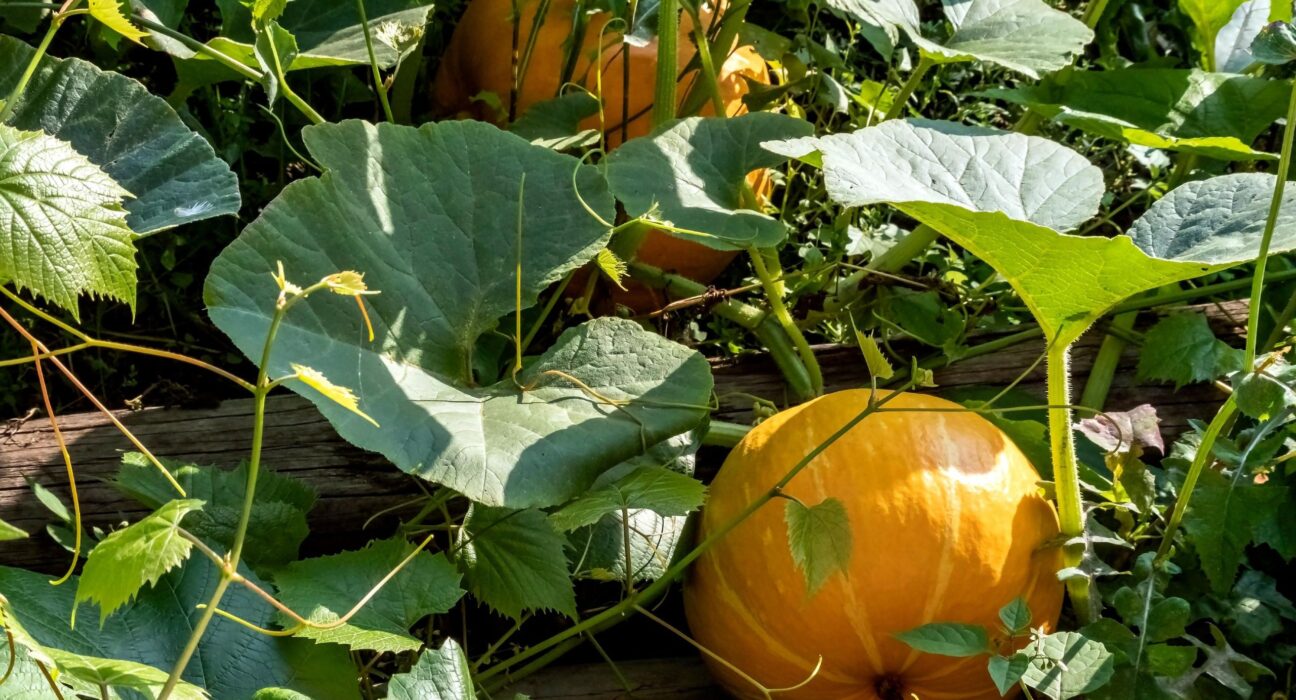
Pumpkins are usually ready for harvesting three to four months after planting, depending on the variety. The fruits should be harvested when they reach full size and develop their characteristic color.
The skin of mature pumpkins becomes hard and resistant to scratching. Farmers should use a sharp knife or pruning tool to cut the fruit from the vine while leaving a short stem attached.
Proper harvesting techniques help prevent damage and extend shelf life.
Post-Harvest handling and storage
After harvesting, pumpkins should be handled carefully to avoid bruising or cuts. Damaged fruits spoil quickly and reduce market value.
Pumpkins can be stored for several weeks in a cool, dry, and well-ventilated place. Proper storage allows farmers to sell their produce when market prices improve.
Some farmers also add value by processing pumpkins into products such as pumpkin flour, puree, or animal feed.
Marketing Pumpkins
Pumpkins have a wide market because they are used in households, restaurants, and food processing industries. Farmers can sell their produce in local markets, supermarkets, or directly to consumers.
Pumpkin leaves are also popular vegetables in many communities, providing farmers with an additional source of income even before fruits mature.
Building relationships with buyers and supplying consistent quality produce helps farmers secure long-term markets.
Pumpkin farming is a profitable and low-risk agribusiness opportunity for farmers. The crop is easy to grow, adaptable to various environments and requires relatively low investment compared to many other crops.
For agripreneurs looking to diversify their farming activities, pumpkin farming offers both food security and strong market potential.

Author: Moureen Koech
Moureen Koech is a passionate Digital Journalist, an adept Agribusiness Writer with a keen eye for news and an impactful story-teller,whose stories provide key value to Agripreneurs and stakeholders in the Agricultural sector