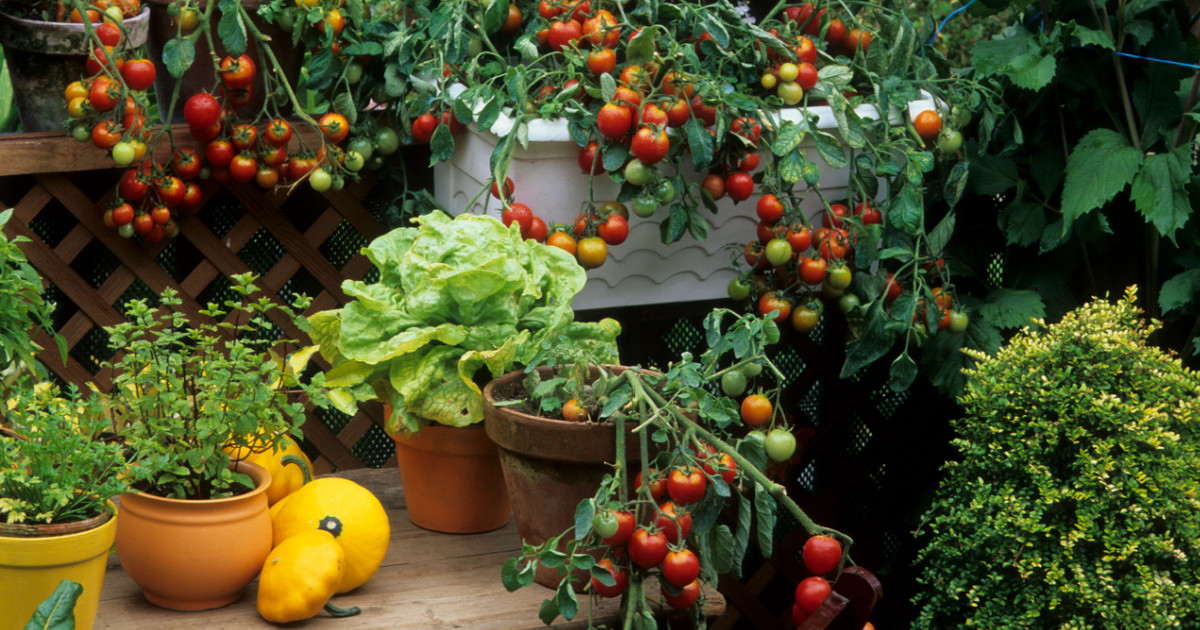
Container gardening is one of the easiest and most practical ways to grow fresh vegetables, especially for people living in urban areas or with limited space. Whether you have a balcony, rooftop, backyard, or even a small corner outside your house, you can successfully grow healthy and organic vegetables using containers. This method is becoming increasingly popular in Kenya due to rising food costs and the need for self-sufficiency.
What is Container Gardening?
Container gardening is the practice of growing plants in containers instead of planting them directly in the ground. These containers can include buckets, sacks, pots, old basins, tins or any item that can hold soil and allow proper drainage.
This method is ideal for beginners because it requires less space, is easier to manage and allows better control over soil quality and watering.
Benefits of container gardening
One of the biggest advantages of container gardening is space efficiency. You do not need a large farm to grow vegetables. Even a small balcony can produce enough food for a household.
Container gardening also helps conserve water since you can control the amount used. Additionally, it reduces the risk of soil-borne diseases and pests, making it easier to maintain healthy crops.
Another major benefit is flexibility. Containers can be moved to areas with better sunlight or protection from harsh weather. This is especially useful in regions with unpredictable climate conditions.
Best vegetables for container gardening
Not all vegetables grow well in containers, but many popular ones do. Some of the best options include:
- Sukuma wiki (kale)
- Spinach
- Tomatoes
- Onions
- Capsicum (green pepper)
- Coriander (dhania)
- Lettuce
- Carrots
These crops grow quickly, require minimal space and are commonly used in Kenyan households.
Choosing the right containers
The type of container you use plays a key role in the success of your garden. Containers should be strong, affordable, and have proper drainage holes at the bottom.
Common options include plastic buckets, clay pots, wooden boxes, and even recycled items like old tires or jerrycans. Sack gardening is also very popular in Kenya, especially for growing vegetables like sukuma wiki and spinach.
The size of the container should match the crop. For example, tomatoes require larger containers compared to herbs like coriander.
Preparing the Soil Mixture
Good soil is the foundation of a successful container garden. A healthy soil mix should be rich in nutrients and well-draining.
A simple and effective mixture includes:
- Topsoil
- Compost or manure
- Sand (to improve drainage)
Mix these in equal proportions to create fertile soil that supports plant growth. Organic manure is highly recommended because it improves soil structure and provides essential nutrients.
Planting your vegetables
You can start planting either by seeds or seedlings. Beginners are advised to use seedlings because they are easier to manage and grow faster.
Fill your container with the prepared soil mixture, leaving some space at the top. Plant your seeds or seedlings at the recommended depth, then water gently.
Ensure proper spacing to avoid overcrowding, which can lead to poor growth and disease spread.
Watering and maintenance
Proper watering is essential in container gardening because containers dry out faster than ground soil. Water your plants regularly, preferably in the morning or evening.
Avoid overwatering, as it can lead to root rot. The soil should be moist but not waterlogged.
Regular maintenance practices include:
- Removing weeds
- Adding manure or fertilizer
- Pruning plants when necessary
- Checking for pests and diseases
Pest and disease control
Although container gardening reduces pest problems, some pests may still appear. Common pests include aphids, whiteflies, and caterpillars.
You can control pests using natural methods such as neem spray, soapy water. Avoid excessive use of chemicals, especially if you want organic vegetables.
Regular inspection of your plants helps detect problems early and prevents damage.
Maximizing your harvest
To get the best results from your container garden, ensure your plants receive enough sunlight, at least 5 to 7 hours daily. Position your containers in areas with good light exposure.
You can also practice succession planting, where you plant new crops after harvesting others to ensure continuous production.
Using vertical gardening techniques, such as stacking containers or using shelves, can help you maximize limited space.
Common mistakes to avoid
Many beginners make mistakes that affect their yields. One common mistake is using poor-quality soil, which limits plant growth. Another is planting too many crops in one container, leading to competition for nutrients.
Ignoring drainage is also a major issue, as it can cause waterlogging and root diseases. Additionally, inconsistent watering can stress plants and reduce productivity.
Container gardening is a simple, affordable and effective way to grow fresh vegetables at home. It is perfect for urban dwellers, beginners and anyone looking to reduce food expenses while enjoying healthy produce.
With the right containers, good soil, proper care and a little patience, you can transform even the smallest space into a productive vegetable garden. Start small, learn as you grow and soon you will enjoy fresh, homegrown vegetables right from your doorstep.

Author: Moureen Koech
Moureen Koech is a passionate Digital Journalist, an adept Agribusiness Writer with a keen eye for news and an impactful story-teller,whose stories provide key value to Agripreneurs and stakeholders in the Agricultural sector