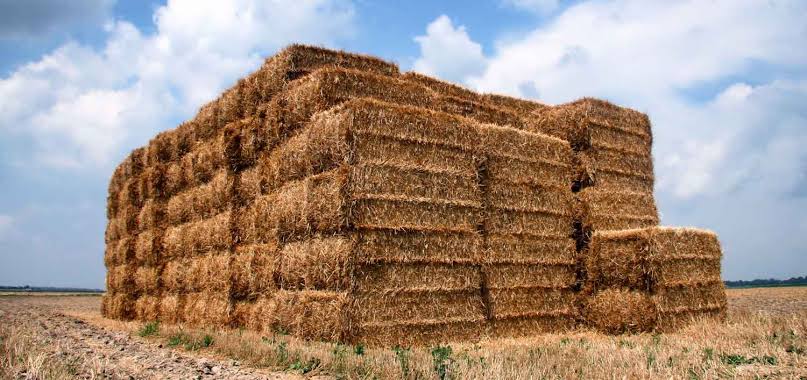
Hay making is a vital practice in livestock farming, especially for farmers who want to ensure a steady supply of feed during dry seasons. By preserving grasses and legumes through proper drying and storage, hay provides nutritious fodder for animals such as cattle, goats, and sheep when fresh pasture is unavailable.
Understanding the basics of hay making can help farmers reduce feed costs, improve animal health and maintain productivity throughout the year.
What is Hay Making?
Hay making is the process of cutting, drying, and storing forage crops to preserve their nutritional value for later use. The goal is to reduce the moisture content of the grass or legumes to a level that prevents spoilage while maintaining as many nutrients as possible.
Common crops used for hay include natural pasture grasses, napier grass, alfalfa, and other legumes. When properly made, hay becomes a reliable and long-lasting source of animal feed.
Importance of hay in livestock farming
Hay plays a critical role in ensuring consistent livestock production. During dry seasons or drought periods, fresh grass becomes scarce, and animals may suffer from poor nutrition. Hay acts as a backup feed, helping farmers maintain milk production, weight gain, and overall animal health.
In addition, hay making allows farmers to take advantage of surplus pasture during the rainy season. Instead of letting excess grass go to waste, it can be preserved and used later.
Hay also provides flexibility in feeding management, allowing farmers to store and transport feed easily.
Suitable crops for hay making
Not all plants are suitable for hay. The best crops are those that dry quickly and retain nutrients after harvesting.
Grasses such as Rhodes grass, boma Rhodes and star grass are commonly used because they are easy to grow and dry efficiently. Legumes like lucerne (alfalfa) and desmodium are also excellent choices because they are rich in protein and improve the quality of hay.
A mixture of grasses and legumes often produces the best results, offering a balanced diet for livestock.
Best time to cut hay
Timing is one of the most important factors in hay making. Cutting should be done when the crop has reached the right stage of growth to ensure maximum nutritional value.
For most grasses, the ideal time is just before or at the early flowering stage. At this point, the plant has high nutrient content and is still tender. If you delay cutting, the grass becomes too mature, resulting in lower protein content and reduced digestibility.
It is also important to cut hay during dry weather to allow proper drying and avoid spoilage.
Steps in hay making
1. Cutting
The first step is cutting the forage using a machete, sickle, or mower. The grass should be cut evenly and at the correct height to allow regrowth.
2. Drying
After cutting, the forage is spread out in the field to dry under the sun. This process is known as curing. The goal is to reduce moisture content to about 15–20 percent.
Farmers should turn the grass regularly to ensure even drying and prevent mold formation.
3. Raking
Once the forage is partially dry, it is gathered into rows or small heaps using a rake. This makes it easier to handle and speeds up the drying process.
4. Baling or Bundling
When the hay is fully dry, it is collected and packed into bales or bundles. Baling makes storage and transportation easier, especially for commercial farmers.
5. Storage
Proper storage is essential to maintain the quality of hay. It should be kept in a dry, well-ventilated area, away from rain and moisture. Raised platforms or pallets can help prevent contact with the ground.
Signs of good quality hay
High-quality hay has a green color, indicating that nutrients have been preserved. It should have a pleasant, fresh smell and be free from mold, dust, or weeds.
The texture should be soft and leafy rather than coarse and stemmy. Good hay also has minimal leaf loss, especially in legume-based hay where leaves contain most of the nutrients.
Common challenges in hay making
Hay making is not without challenges. Weather is one of the biggest factors, as unexpected rain can damage drying forage and reduce quality.
Another challenge is improper drying, which can lead to mold growth and spoilage. Poor storage conditions can also cause losses due to moisture and pests.
In addition, lack of proper equipment can make the process labor-intensive and less efficient, especially for large-scale farmers.
Tips for successful hay making
To produce high-quality hay, always monitor weather conditions before cutting. Choose a period with several sunny days to allow proper drying.
Cut forage at the right stage of growth to maximize nutritional value. Turn the grass regularly during drying to ensure even curing.
Store hay in a dry, elevated place to protect it from moisture. If possible, invest in simple tools such as rakes and balers to improve efficiency.
It is also advisable to mix grasses with legumes to improve the protein content of the hay.
Benefits of hay making
Hay making offers numerous benefits to farmers. It ensures a constant supply of feed, reduces dependence on expensive commercial feeds, and improves livestock productivity.
It also helps farmers manage pasture efficiently by preventing wastage during peak growth periods. Additionally, hay can be sold as a commercial product, providing an extra source of income.
Hay making is a simple but highly valuable practice in livestock farming. By understanding the basics of cutting, drying, and storing forage, farmers can produce high-quality feed that supports animal health and productivity throughout the year.
With proper planning and good management, hay making can transform seasonal pasture into a reliable resource, helping farmers achieve sustainable and profitable livestock production.

Author: Moureen Koech
Moureen Koech is a passionate Digital Journalist, an adept Agribusiness Writer with a keen eye for news and an impactful story-teller,whose stories provide key value to Agripreneurs and stakeholders in the Agricultural sector