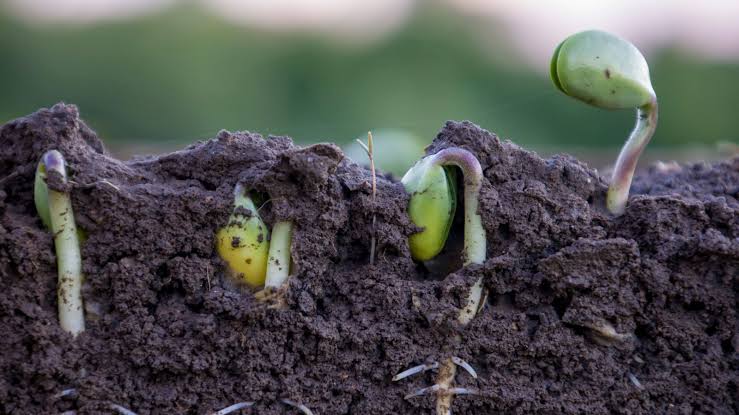
Seed germination is one of the most important stages in crop production. Healthy germination determines the strength, growth, and productivity of plants later in the season. Poor germination often leads to weak crops, uneven growth, and low yields, which can affect overall farm profitability.
For farmers and gardeners, understanding the right seed germination techniques can greatly improve plant establishment and increase the chances of successful harvests. Proper preparation, moisture management and seed handling are key to achieving strong and healthy seedlings.
What is seed germination?
Seed germination is the process by which a seed begins to grow into a young plant. This process starts when the seed absorbs water and activates internal growth processes.
During germination, the seed develops roots and shoots that eventually grow into a mature plant. For successful germination to occur, seeds require suitable environmental conditions such as moisture, oxygen, temperature, and sometimes light.
Importance of good seed germination
Good germination is essential because it ensures uniform crop growth and healthy plant development. When seeds germinate properly, farmers achieve better plant populations and higher productivity.
Strong seedlings are also more resistant to pests, diseases, and environmental stress. Poor germination, on the other hand, leads to gaps in the field and reduced yields.
Using proper germination practices saves time, reduces seed wastage, and improves overall farming efficiency.
Choose high-quality seeds
The quality of seeds plays a major role in germination success. Farmers should always select certified and healthy seeds from reliable suppliers.
Good-quality seeds usually:
- Have high germination rates
- Are free from diseases and pests
- Produce stronger seedlings
Old or damaged seeds often germinate poorly and may result in weak plants. Checking seed packaging for expiry dates and germination percentages is important before planting.
Use the right soil
Soil conditions greatly affect seed germination. Seeds require loose, well-drained, and fertile soil for proper root development.
Heavy or compacted soils can prevent seeds from emerging properly, while poorly drained soils may cause rotting. Adding organic matter such as compost improves soil structure and enhances moisture retention.
The soil should also be free from weeds and debris that may interfere with seedling growth.
Maintain proper moisture levels
Water is essential for seed germination because it activates the biological processes inside the seed. However, both too much and too little water can cause problems.
The soil should remain moist but not waterlogged. Excess water limits oxygen supply and may cause seeds to rot, while dry soil prevents seeds from germinating properly.
Regular and gentle watering helps maintain ideal moisture conditions for healthy seed development.
Plant seeds at the correct depth
Planting depth is another important factor in successful germination. Seeds planted too deep may struggle to emerge, while shallow planting may expose seeds to drying or pests.
As a general rule, seeds should be planted at a depth about two to three times their size. Small seeds require shallow planting, while larger seeds can be planted slightly deeper.
Following recommended planting depths improves emergence and seedling establishment.
Ensure proper temperature conditions
Temperature strongly influences germination speed and success. Different crops require different temperature ranges for optimal germination.
Warm-season crops such as tomatoes and maize germinate best in warm soils, while cool-season crops like spinach prefer cooler conditions.
Planting during the right season and monitoring soil temperature helps improve germination rates and crop performance.
Provide adequate air circulation
Seeds need oxygen during germination. Poorly aerated or compacted soils reduce oxygen availability and hinder root development.
Good soil preparation helps improve aeration and allows roots to grow freely. Avoid overwatering because waterlogged soil reduces air spaces around the seed.
Healthy air circulation supports stronger root systems and healthier seedlings.
Pre-Soak seeds when necessary
Some seeds benefit from soaking before planting. Pre-soaking softens the seed coat and allows water to penetrate more easily, speeding up germination.
Seeds commonly soaked before planting include:
- Beans
- Maize
- Peas
However, soaking for too long may damage seeds, so farmers should follow recommended soaking times for each crop.
Protect seeds from pests and diseases
Seeds and young seedlings are highly vulnerable to pests and diseases. Soil-borne fungi, insects, and rodents can reduce germination rates significantly.
Using treated seeds and maintaining clean planting areas helps reduce infection risks. Farmers should also avoid planting in contaminated soils where diseases are common.
Healthy seedlings are more likely to survive and grow into productive plants.
Use proper spacing
Overcrowding can affect seedling growth and increase competition for water, nutrients, and sunlight. Proper spacing allows seedlings to develop strong roots and healthy leaves.
Following recommended spacing guidelines also improves airflow between plants and reduces the spread of diseases.
Good spacing contributes to healthier crops and higher yields.
Harden Seedlings Before Transplanting
For crops raised in nurseries, seedlings should be hardened before transplanting to the field. Hardening involves gradually exposing seedlings to outdoor conditions such as sunlight and wind.
This process helps seedlings adapt to environmental stress and reduces transplant shock. Hardened seedlings establish faster and perform better after transplanting.
Common germination problems
Several issues can affect seed germination. Poor-quality seeds, incorrect planting depth, water stress, and unfavorable temperatures are among the most common causes of germination failure.
Fungal diseases and pest attacks can also damage seeds before they sprout. Identifying these problems early helps farmers take corrective measures and improve future planting success.
Successful seed germination is the foundation of healthy crop production. By choosing quality seeds, maintaining proper moisture, preparing good soil, and planting at the correct depth, farmers can significantly improve germination rates and seedling health.
Proper seed germination practices lead to stronger plants, better yields and increased farm profitability. With careful management and attention to detail, farmers can create the ideal conditions for healthy crop establishment and long-term agricultural success.

Author: Moureen Koech
Moureen Koech is a passionate Digital Journalist, an adept Agribusiness Writer with a keen eye for news and an impactful story-teller,whose stories provide key value to Agripreneurs and stakeholders in the Agricultural sector