When farmers talk about improving livestock productivity, the conversation often revolves around better breeds, quality feed, vaccination schedules and market access. While all of these matter, one critical factor is frequently underestimated ,housing.
Proper livestock housing is not simply about providing shelter. It directly influences animal health, growth rates, reproduction, labor efficiency and overall profitability. In many cases, the difference between a thriving livestock enterprise and a struggling one comes down to the quality of the housing system.
Modern livestock structures are increasingly designed to do more than keep animals out of the rain. They actively support disease prevention, improve animal comfort, reduce labor demands and protect the farmer’s investment.
Disease and parasite control starts with housing design
One of the greatest advantages of well-designed livestock housing is improved disease prevention.
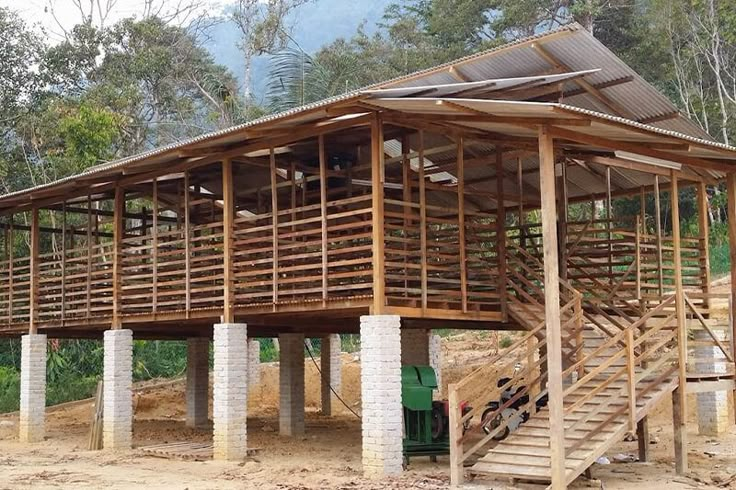
Raised structures supported by concrete or block piers provide a major health advantage because animals remain separated from accumulated waste. Traditional ground-level pens often trap urine, manure and moisture, creating ideal conditions for harmful parasites and disease-causing organisms.
Parasites such as coccidia and gastrointestinal worms thrive in damp environments, while bacteria linked to conditions like foot rot and respiratory infections spread more easily in poorly ventilated housing.
Elevated floors especially slatted systems allow droppings and excess moisture to fall away from the animals immediately. This keeps living spaces cleaner and significantly reduces disease pressure.
Healthier animals spend more energy converting feed into meat, milk or growth instead of fighting infections. For farmers, this translates into lower veterinary expenses, reduced mortality, and stronger overall performance.
Climate control improves productivity
Environmental stress is one of the hidden productivity killers in livestock farming.
Animals exposed to excessive heat, poor ventilation or wet conditions experience stress that affects appetite, fertility, immunity and growth.
Well-designed livestock housing addresses these challenges through thoughtful structural features.
Pitched roofs improve heat circulation and rain runoff, while open or slatted side walls encourage continuous airflow without exposing animals directly to harsh weather conditions.Ventilation is especially important because trapped heat and humidity create uncomfortable conditions and increase disease risk.
Animals housed in cooler, well-ventilated environments maintain feed intake more consistently and perform better throughout the year.
Whether the goal is milk production, weight gain, breeding efficiency or survival rates, thermal comfort plays a direct role in farm success.
Better housing means greater labor efficiency
A good livestock structure is not just a shelter , it is also a management tool.
Daily activities such as feeding, cleaning, sorting, treating and monitoring animals become easier when housing is designed with workflow in mind.
In many efficient livestock systems, structures naturally guide animals toward feeding or handling areas. This minimizes unnecessary movement and reduces stress for both animals and handlers.
Poor housing layouts often force farmers to spend excessive time moving animals across open spaces or difficult terrain.This increases labor requirements and raises the risk of injury.
A properly designed housing system can reduce tasks that normally take an hour into a quick and organized routine, freeing up valuable time for other farm operations.
Protecting your livestock investment
Livestock represents a significant financial investment.Whether a farmer raises goats, sheep, dairy cattle, pigs or poultry, each animal carries value through production potential and future returns.
Leaving animals exposed to rain, predators, strong sunlight and harsh weather conditions increases avoidable losses.Raised and enclosed housing systems provide additional protection against predators, especially for smaller livestock such as goats and sheep.
Protection also extends to reducing injuries caused by slippery surfaces, overcrowding and environmental hazards.Good housing creates a safer and more controlled environment where animals can thrive.
Long-term savings outweigh initial costs
One reason some farmers delay investing in better housing is the upfront cost.
Building elevated livestock structures requires investment in materials such as timber, roofing sheets, concrete supports, flooring and fencing.However, focusing only on construction costs overlooks the long-term economic benefits.
Proper housing lowers veterinary bills, reduces mortality, improves feed conversion, increases production and extends the productive life of animals.Over time, these savings often exceed the original construction investment.
In practical terms, a farmer may spend more at the beginning but save significantly through healthier animals and improved output.
Key features of effective livestock housing
Farmers planning to improve housing should focus on several important elements:
- Elevated or well-drained flooring
- Adequate ventilation and airflow
- Protection from rain and direct sunlight
- Easy access for feeding and cleaning
- Strong structural stability
- Sufficient space per animal
- Effective waste management systems
- Secure protection against predators
These features create a healthier environment and support efficient livestock management.
Feed and genetics often receive the most attention in livestock farming, but housing determines whether those investments produce results.A well-designed livestock structure does more than provide shelter. It reduces disease pressure, improves animal comfort, simplifies farm management, protects valuable animals and lowers long-term production costs.
Experienced farmers increasingly view housing not as an optional upgrade but as a foundation for profitable livestock production.When animals live in clean, comfortable and well-managed environments, the entire farming operation becomes more productive, efficient and sustainable.

Author: Moureen Koech
Moureen Koech is a passionate Digital Journalist, an adept Agribusiness Writer with a keen eye for news and an impactful story-teller,whose stories provide key value to Agripreneurs and stakeholders in the Agricultural sector