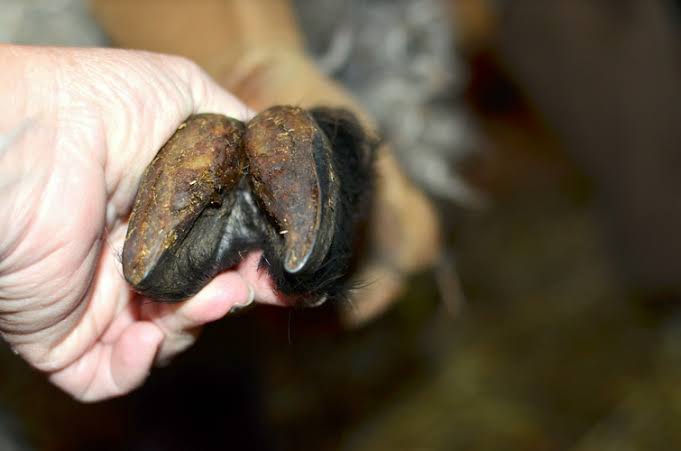
Goat farming has become an increasingly profitable livestock enterprise for many farmers due to the growing demand for goat meat, milk and breeding stock. However, maintaining healthy animals is essential for achieving high productivity and maximizing profits. Among the diseases that commonly affect goats, foot rot is one of the most painful and economically damaging. It reduces the animal’s ability to walk, graze and reproduce efficiently, leading to significant production losses if not managed promptly.
The good news is that foot rot is both treatable and preventable. By understanding what causes the disease, recognizing its early symptoms and adopting proper management practices, farmers can protect their herds and avoid costly outbreaks.
Understanding foot rot in goats
Foot rot is a contagious bacterial infection that affects the soft tissue between a goat’s claws and gradually spreads to the hoof. The disease is primarily caused by Dichelobacter nodosus, a bacterium that thrives in warm, wet environments. Another bacterium, Fusobacterium necrophorum, which is commonly found in soil and manure, often works together with Dichelobacter nodosus to worsen the infection.
The disease develops when bacteria enter the hoof through small cuts, cracks, or softened skin between the claws. Wet and muddy conditions soften the hooves, making it easier for bacteria to invade the tissue. Once infection begins, inflammation develops quickly, causing pain, lameness and damage to the hoof.
Foot rot spreads rapidly through direct contact between infected and healthy goats or through contaminated soil, bedding, feeding areas, and handling facilities. Without early intervention, the disease can infect an entire herd within a short period.
Causes and risk factors
Several management and environmental factors increase the likelihood of foot rot in goats. Poor drainage around goat pens or grazing fields creates muddy conditions that soften hooves and encourage bacterial growth. Housing goats in damp, dirty shelters with accumulated manure further increases the risk of infection.
Overgrown hooves are another major contributor because they trap mud, moisture, and manure, creating an ideal environment for bacteria to multiply. Farmers who neglect regular hoof trimming often experience recurring cases of foot rot.
Introducing newly purchased goats into the herd without quarantine is another common source of infection. Apparently healthy animals may carry the bacteria and spread it to the rest of the flock. In addition, poor nutrition weakens the immune system and affects hoof quality, making goats more vulnerable to bacterial infections.
Signs and symptoms of foot rot
The earliest sign of foot rot is usually lameness. An infected goat may begin limping, walk reluctantly, or avoid putting weight on the affected foot. Some animals spend more time lying down because walking becomes painful.
As the infection progresses, the skin between the claws becomes swollen, red, and moist. Farmers may notice an unpleasant smell coming from the hoof due to tissue decay. In severe cases, the hoof horn begins separating from the underlying tissue, exposing raw, infected areas that cause intense pain.
Affected goats often lose their appetite because they are unable to move comfortably to grazing areas or feed troughs. This results in poor weight gain, reduced milk production, slower growth in young animals, and lower breeding performance. If left untreated, severe infections may lead to permanent hoof damage and culling of valuable animals.
Treating foot rot effectively
Successful treatment starts with isolating infected goats immediately to prevent the disease from spreading. Early treatment greatly improves recovery and minimizes production losses.
Carefully trim away overgrown or loose hoof tissue using clean, disinfected hoof-trimming tools. Removing damaged tissue allows medications to reach infected areas more effectively. However, farmers should avoid cutting healthy tissue, which may worsen the injury and delay healing.
After trimming, thoroughly clean the hoof and apply an appropriate antiseptic or topical antibiotic recommended by a veterinarian. In severe cases, injectable antibiotics may be necessary to eliminate the infection more effectively.
Foot baths containing zinc sulfate or copper sulfate solutions are widely used to disinfect hooves and reduce bacterial populations. Goats should stand in the solution for the recommended period before moving to a clean, dry area. Consistency is important, as repeated treatments may be required until the infection clears completely.
During recovery, goats should be housed in dry, clean pens with fresh bedding to prevent reinfection and promote faster healing.
Preventing foot rot in goat herds
Preventing foot rot is far easier and less expensive than treating an outbreak. Farmers should prioritize good hygiene by keeping goat houses clean, dry and well-ventilated throughout the year. Improving drainage around feeding and watering points helps eliminate muddy conditions where bacteria thrive.
Regular hoof trimming every two to three months keeps hooves properly shaped and prevents the accumulation of dirt and manure. Routine hoof inspections also allow farmers to identify early signs of disease before the infection spreads.
New goats should always be quarantined for at least two to four weeks before joining the main herd. During quarantine, inspect their hooves carefully and treat any infections before introducing them to other animals.
Good nutrition also contributes to hoof health. Feeding goats a balanced diet rich in essential minerals and vitamins strengthens hoof growth and supports a healthy immune system, making animals more resistant to infections.
Farmers should also disinfect hoof-trimming equipment between animals to avoid transferring bacteria from infected goats to healthy ones.
Common mistakes farmers should avoid
Many farmers unknowingly make mistakes that allow foot rot to persist within their herds. One of the most common is delaying treatment until the disease becomes severe. Early intervention significantly increases recovery rates and limits transmission.
Another mistake is treating infected goats while leaving them in muddy environments. Even the best medications will have limited success if animals continue standing in contaminated, wet conditions.
Skipping regular hoof trimming, failing to isolate infected animals, and introducing new goats without proper quarantine are additional management errors that often lead to repeated outbreaks.
Foot rot is one of the most serious hoof diseases affecting goats, but it can be effectively controlled through proper management and early intervention. Maintaining clean housing, trimming hooves regularly, providing balanced nutrition, and quarantining newly purchased animals are some of the most effective strategies for preventing infection.
Farmers who inspect their goats frequently and respond quickly to the first signs of lameness can minimize treatment costs, improve animal welfare, and protect the overall productivity of their herds. Healthy hooves enable goats to graze efficiently, grow faster, produce more milk and reproduce successfully, making hoof care an essential part of profitable goat farming.

Author: Moureen Koech
Moureen Koech is a passionate Digital Journalist, an adept Agribusiness Writer with a keen eye for news and an impactful story-teller,whose stories provide key value to Agripreneurs and stakeholders in the Agricultural sector