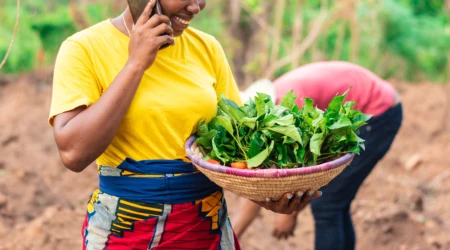
Success in modern agriculture depends on more than producing quality crops or raising healthy livestock. While good farming practices remain important, building strong relationships with people and organizations within the agricultural sector can significantly improve a farmer’s chances of success. This is where agribusiness networking becomes valuable.
Agribusiness networking is the process of creating and maintaining professional relationships with other farmers, buyers, suppliers, financial institutions, agricultural experts, government agencies, researchers and agribusiness companies. These connections provide access to valuable information, new markets, business opportunities, technology, and financial support. Farmers who actively network are often better informed, more competitive, and more resilient in the face of changing market conditions.
What is agribusiness networking?
Agribusiness networking involves connecting with individuals and organizations that play a role in the agricultural value chain. These relationships help farmers exchange knowledge, solve production challenges, discover new business opportunities, and improve their overall farm performance.
Networking can take place through farmer groups, agricultural cooperatives, trade fairs, exhibitions, workshops, conferences, training programs, social media platforms and online forums. It may also happen through informal interactions with neighbouring farmers, extension officers, researchers or input suppliers.
The goal is not simply to collect contacts but to build meaningful relationships based on trust, collaboration and mutual benefit.
Why networking matters in agriculture
Agriculture is constantly evolving as new technologies, improved crop varieties, better livestock breeds, and changing market demands emerge. Farmers who remain isolated often miss opportunities that could improve productivity and profitability.
Networking helps farmers stay informed about industry developments, government programs, funding opportunities, and emerging market trends. Through regular interaction with other professionals, farmers gain access to practical knowledge that can improve decision-making and reduce costly mistakes.
Strong professional relationships also create a support system where farmers can seek advice during disease outbreaks, pest infestations, weather-related challenges or market disruptions.
Expanding market opportunities
One of the greatest benefits of agribusiness networking is improved access to markets. Finding reliable buyers is often one of the biggest challenges farmers face, especially during peak harvest seasons when supply is high.
By building relationships with wholesalers, retailers, exporters, food processors, supermarkets, hotels, restaurants and cooperatives, farmers increase their chances of securing stable markets for their produce. Networking also enables farmers to negotiate better prices because they have multiple potential buyers instead of relying on a single customer.
Attending agricultural exhibitions and trade fairs provides an excellent opportunity to meet buyers directly, showcase products, and establish long-term business partnerships.
Learning from other farmers and experts
Every successful farmer has valuable experiences that others can learn from. Networking creates opportunities to exchange ideas, discuss farming challenges, and share practical solutions.
Experienced farmers often provide useful advice on crop management, livestock health, irrigation, pest control, value addition and farm business management. Agricultural extension officers, researchers, and university experts also share updated information on improved farming practices and innovations.
Learning from the experiences of others helps farmers avoid common mistakes while adopting techniques that have already proven successful.
Access to finance and business support
Many farmers struggle to expand their businesses because they lack access to affordable financing. Networking with banks, microfinance institutions, savings and credit cooperatives (SACCOs), investors, and development organizations increases awareness of available funding opportunities.
Financial institutions are often more willing to support farmers who belong to organized groups or cooperatives because these groups demonstrate better business management and accountability. Networking can also connect farmers with grant programs, training initiatives, and agricultural development projects that provide financial or technical assistance.
These opportunities enable farmers to invest in improved technologies, irrigation systems, machinery, storage facilities and value-addition equipment.
Keeping up with agricultural innovation
Technology is transforming agriculture faster than ever before. New seed varieties, precision farming tools, mobile applications, digital marketplaces, climate-smart technologies and modern irrigation systems are helping farmers increase productivity while reducing costs.
Farmers who actively participate in agricultural networks are usually among the first to learn about these innovations. Demonstration farms, field days, workshops, and exhibitions provide opportunities to see new technologies in action before investing in them.
Networking also enables farmers to exchange experiences about which innovations deliver the best results under local farming conditions.
Building a strong professional reputation
Networking is not only about receiving support, it is also about building credibility within the agricultural community. Farmers who consistently supply quality products, honour agreements, communicate professionally and maintain good relationships develop strong reputations.
A positive reputation attracts buyers, investors, suppliers and business partners who value reliability. Over time, trust becomes one of a farmer’s greatest business assets, often leading to repeat customers, referrals and long-term contracts.
Maintaining honesty, transparency, and professionalism in every business interaction strengthens these valuable relationships.
Tips for effective agribusiness networking
Successful networking requires commitment and active participation. Farmers should attend agricultural field days, trade fairs, exhibitions, and conferences whenever possible. Joining farmer associations, producer groups, or cooperatives also creates valuable opportunities to connect with others in the industry.
Using social media platforms such as Facebook, LinkedIn, WhatsApp, and YouTube can help farmers engage with agricultural communities, share experiences, promote their products, and learn from experts around the world.
Following up with new contacts after networking events is equally important. A simple phone call, email, or message can help strengthen relationships and create future business opportunities.
Most importantly, networking should focus on building genuine, long-term relationships rather than seeking immediate personal gain.
Agribusiness networking is an essential tool for farmers who want to grow successful and sustainable agricultural enterprises. By building strong relationships with buyers, suppliers, financial institutions, agricultural experts, researchers, and fellow farmers, producers gain access to valuable knowledge, new markets, financing opportunities and innovative technologies.
In today’s competitive agricultural sector, success depends not only on what you produce but also on who you know and how effectively you collaborate with others. Farmers who invest time in networking are better equipped to overcome challenges, seize new opportunities and build resilient, profitable agribusinesses that thrive in an ever-changing marketplace.

Author: Moureen Koech
Moureen Koech is a passionate Digital Journalist, an adept Agribusiness Writer with a keen eye for news and an impactful story-teller,whose stories provide key value to Agripreneurs and stakeholders in the Agricultural sector