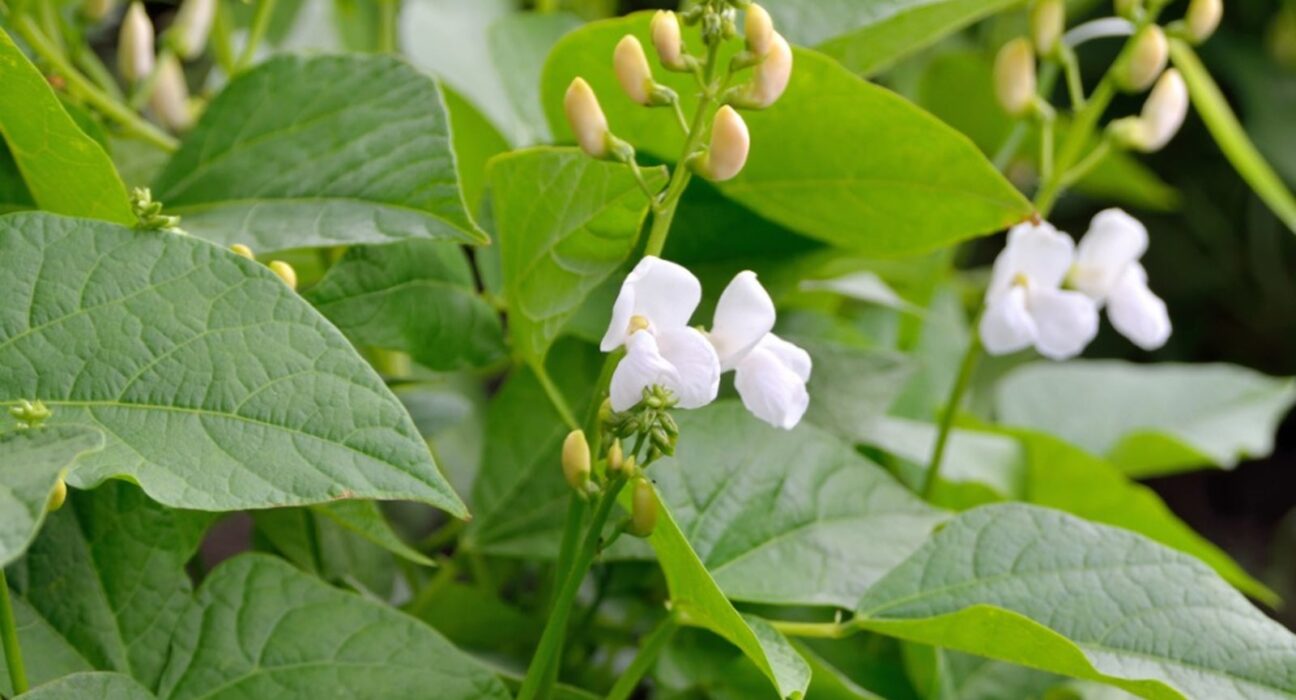
Beans are among the most important legume crops grown by smallholder and commercial farmers because they provide both food and income. Under good growing conditions, healthy bean plants produce abundant flowers that eventually develop into pods filled with seeds. However, many farmers experience a frustrating situation where bean plants flower profusely but fail to produce pods. This problem can significantly reduce yields and affect farm profitability.
Flowering without pod formation usually indicates that pollination or fertilization has been disrupted, or that the plants are experiencing stress during the reproductive stage. Fortunately, identifying the underlying cause early can help farmers take corrective measures and improve future harvests.
Poor pollination
Successful pod formation begins with effective pollination. Although common beans are largely self-pollinating, environmental conditions can still affect the pollination process. High temperatures, heavy rainfall, strong winds, or prolonged cloudy weather during flowering may interfere with pollen transfer and fertilization.
When pollination fails, flowers dry up and fall off before developing into pods. Farmers should avoid practices that stress the crop during flowering and encourage beneficial insects by maintaining biodiversity around the farm and minimizing unnecessary pesticide use.
High temperatures
Heat stress is one of the leading causes of flower abortion in beans. Daytime temperatures above 30°C can reduce pollen viability, interfere with fertilization, and cause flowers to drop prematurely.
During prolonged hot weather, plants conserve water by reducing reproductive activity, resulting in poor pod set. Where irrigation is available, maintaining adequate soil moisture can help reduce heat stress. Planting during the recommended season also helps ensure that flowering occurs under more favorable temperatures.
Water stress
Both drought and excessive moisture can prevent beans from forming pods. During flowering and early pod development, beans require a consistent supply of water. If the soil becomes too dry, flowers may wilt and fall before fertilization takes place.
On the other hand, waterlogged soils reduce oxygen around the roots, weakening the plants and affecting nutrient uptake. Farmers should irrigate during dry periods while ensuring good drainage to prevent flooding.
Applying mulch helps conserve soil moisture and reduces fluctuations in soil temperature.
Nutrient imbalances
Balanced nutrition is essential for successful flowering and pod development. Excessive nitrogen fertilizer encourages vigorous leaf and stem growth but may delay or reduce pod formation because the plant directs more energy toward vegetative growth.
Phosphorus plays a key role in root development, flowering, and seed formation, while potassium supports overall plant health and improves pod filling. Deficiencies in these nutrients can result in poor pod set despite abundant flowering.
Conducting a soil test before planting helps determine nutrient requirements, allowing farmers to apply fertilizers based on the crop’s actual needs rather than guesswork.
Lack of pollinating insects
Although beans are primarily self-pollinating, bees and other beneficial insects can improve pollination efficiency, especially under certain environmental conditions. A decline in pollinator populations due to excessive pesticide use or habitat loss may contribute to poor pod formation.
Farmers can encourage pollinators by planting flowering plants around the farm, maintaining hedgerows, and avoiding insecticide applications during peak flowering hours when bees are most active.
Pest damage
Several insect pests attack bean flowers and young pods, reducing successful pod formation. Aphids, bean flower thrips, pod borers and bean stem maggots can weaken plants or directly damage flowers before pods develop.
Regular field scouting allows farmers to detect pest infestations early. Integrated Pest Management (IPM), which combines cultural practices, biological control, and responsible pesticide use, offers effective long-term pest control while protecting beneficial insects.
Healthy plants are more likely to retain flowers and produce quality pods.
Diseases affecting flowering
Diseases such as bean anthracnose, angular leaf spot, common bacterial blight, rust, and Bean Common Mosaic Virus weaken plants and interfere with normal reproductive processes. Infected plants often produce fewer pods because they cannot support proper flower development.
Using certified disease-free seeds, rotating crops, removing infected crop residues, and planting resistant bean varieties help reduce disease pressure. Early identification and management of disease outbreaks are essential for protecting yields.
Excessive plant density
Overcrowded bean plants compete intensely for sunlight, nutrients, water, and air circulation. Dense canopies create humid conditions that increase disease risk while reducing light penetration needed for photosynthesis.
Insufficient sunlight limits the plant’s ability to produce the energy required for pod development. Following the recommended spacing for the bean variety being grown improves airflow, light distribution, and resource availability, leading to better pod formation.
Poor soil fertility
Beans perform best in fertile, well-drained soils rich in organic matter. Poor soils lacking essential nutrients reduce plant vigor and reproductive performance.
Adding compost or well-decomposed farmyard manure before planting improves soil structure, water retention, and nutrient availability. Healthy soils also support beneficial microorganisms that contribute to improved crop growth and nitrogen fixation.
Regular soil improvement is an important investment in long-term bean productivity.
Planting at the wrong time
Timing has a significant influence on bean production. Planting too early or too late may expose flowering plants to unfavorable weather conditions such as excessive heat, prolonged rainfall, or drought.
Farmers should follow local planting calendars and seasonal weather forecasts to ensure flowering coincides with favorable environmental conditions. Proper planting timing increases the likelihood of successful pollination and pod development.
How to improve pod formation
Improving pod production begins with selecting certified, high-quality seeds and planting adapted varieties suited to local growing conditions. Conducting a soil test before planting ensures that fertilizers are applied correctly, while balanced nutrition supports both vegetative growth and reproduction.
Maintain consistent soil moisture during flowering, avoid excessive nitrogen application, control pests and diseases promptly, and provide adequate spacing for good air circulation and sunlight penetration. Encouraging pollinators by protecting bees and reducing unnecessary pesticide applications also contributes to better pod set.
Monitoring crops regularly enables farmers to identify stress factors early and take corrective measures before flower loss becomes severe.
Beans that produce flowers but fail to develop pods are usually responding to environmental stress, poor nutrition, pest damage, disease or unfavorable growing conditions. While abundant flowering may appear promising, successful pod formation depends on proper pollination, balanced nutrient supply, adequate water, healthy plants and suitable weather conditions.
By adopting good agronomic practices such as proper planting timing, balanced fertilization, effective pest and disease management, maintaining soil health, and reducing plant stress during flowering, farmers can significantly improve pod formation and increase bean yields. Careful crop management throughout the growing season is the key to transforming beautiful bean flowers into abundant, high-quality harvests.

Author: Moureen Koech
Moureen Koech is a passionate Digital Journalist, an adept Agribusiness Writer with a keen eye for news and an impactful story-teller,whose stories provide key value to Agripreneurs and stakeholders in the Agricultural sector