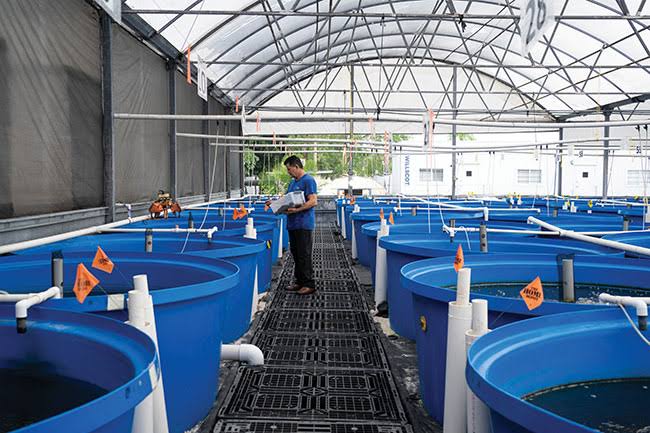
The aquaculture industry is experiencing remarkable growth as more people embrace fish farming to meet the rising demand for affordable, nutritious protein. While many entrepreneurs focus on raising fish for consumption, one of the most profitable opportunities lies in the production of fish fingerlings through a fish hatchery business. A fish hatchery supplies young fish to commercial and small-scale fish farmers, making it an essential part of the aquaculture value chain.
In Kenya, the government’s efforts to promote aquaculture, coupled with increasing private investment in fish farming, have created a growing market for quality fingerlings. However, many farmers still struggle to access healthy, fast-growing fingerlings, presenting an excellent opportunity for entrepreneurs to establish profitable hatchery businesses. With proper planning, technical knowledge and effective management, a fish hatchery can generate a steady income while supporting the expansion of the country’s aquaculture sector.
What is a fish hatchery?
A fish hatchery is a specialized facility where mature fish are bred to produce eggs, which are then incubated until they hatch into fry. The young fish are carefully nurtured and raised into fingerlings before being sold to fish farmers for stocking ponds, cages, tanks, or other production systems. Unlike grow-out farms that focus on producing fish for the market, hatcheries concentrate on the earliest and most delicate stages of a fish’s life cycle.
The quality of fingerlings produced in a hatchery has a significant impact on the productivity of fish farms. Healthy fingerlings grow faster, survive better, and ultimately produce higher yields, making hatcheries an indispensable part of successful fish farming.
Why invest in a fish hatchery business?
The demand for fish continues to increase due to population growth, changing dietary habits and greater awareness of the nutritional benefits of fish. As more farmers venture into aquaculture, the need for reliable suppliers of quality fingerlings has also grown. This rising demand creates a lucrative market for hatchery operators.
A fish hatchery offers several advantages over conventional fish farming. Since fingerlings are sold at a relatively young age, the production cycle is shorter, allowing for faster cash flow. Hatcheries also require less land than large grow-out farms and can serve a broad customer base that includes individual farmers, cooperatives, government projects, research institutions, and non-governmental organizations promoting aquaculture.
Choosing the right fish species
The success of a fish hatchery largely depends on selecting fish species that have strong market demand and perform well under local conditions. In Kenya, Nile tilapia remains the most popular species due to its rapid growth, adaptability, and widespread acceptance among consumers. Consequently, tilapia fingerlings are consistently in high demand from fish farmers across the country.
African catfish is another profitable species because of its fast growth rate, tolerance to varying environmental conditions, and excellent survival rates. Catfish fingerlings are especially popular among commercial farmers seeking hardy fish that perform well in intensive production systems.
In cooler regions, rainbow trout hatcheries can serve niche markets, while ornamental fish such as koi, goldfish, guppies and angelfish provide opportunities for entrepreneurs targeting aquarium enthusiasts and landscaping companies.
Setting up a fish hatchery
Establishing a successful fish hatchery begins with selecting an appropriate location. The site should have a reliable supply of clean freshwater throughout the year since water quality directly affects breeding success and fingerling survival. Easy access to roads is also important for transporting fingerlings safely to customers.
The hatchery should be equipped with breeding tanks or ponds, incubation systems, nursery tanks, aeration equipment, water pumps, filtration systems and storage facilities. Reliable electricity is essential for operating pumps and aerators, while backup power sources can prevent devastating losses during power outages.
A well-designed hatchery ensures smooth movement of fish from breeding tanks to incubation units and finally to nursery tanks, reducing stress and minimizing mortality.
Water quality management
Water quality is one of the most critical factors in fish hatchery management. Fish eggs, fry, and fingerlings are highly sensitive to changes in their environment, making constant monitoring essential.
Clean water with adequate dissolved oxygen promotes healthy development and improves hatch rates. Water temperature should remain within the recommended range for the species being cultured, while pH levels must be maintained at suitable levels to avoid stressing the fish. Excess ammonia and other harmful substances should be prevented through proper filtration and regular water exchange.
Routine water testing enables hatchery operators to detect problems early and make necessary adjustments before fish health is compromised.
Broodstock selection and breeding
Healthy broodstock forms the foundation of every successful hatchery. Breeding fish should be vigorous, disease-free, genetically superior, and capable of producing high-quality offspring. Farmers should source broodstock from reputable suppliers and replace aging breeders periodically to maintain good genetic performance.
Breeding methods vary depending on the species. Tilapia naturally reproduce in breeding ponds or tanks, where females incubate fertilized eggs in their mouths until they hatch. African catfish often require induced breeding using approved hormonal techniques administered by trained professionals. Regardless of the method used, careful handling of broodstock helps reduce stress and improves breeding success.
Raising healthy fingerlings
After hatching, fry require close attention to ensure they develop into healthy fingerlings. During this stage, maintaining excellent water quality, providing adequate nutrition and preventing overcrowding are essential for maximizing survival rates.
Young fish should be fed highly nutritious starter feeds that support rapid growth and strengthen their immune systems. Feeding should be done several times a day in small amounts to minimize waste and preserve water quality. As the fingerlings grow, they should be graded according to size to reduce competition and cannibalism, particularly among species such as catfish.
Regular observation allows hatchery operators to identify slow-growing or unhealthy fish and take corrective action before losses become significant.
Disease prevention and biosecurity
Disease outbreaks can quickly destroy a hatchery if proper preventive measures are not followed. Maintaining clean facilities, disinfecting equipment and preventing contamination from outside sources are fundamental biosecurity practices.
New broodstock should be quarantined before joining the breeding population to prevent introducing diseases into the hatchery. Dead or sick fish should be removed immediately, while tanks and equipment should be cleaned regularly to reduce the spread of harmful pathogens.
Routine monitoring by fisheries experts or aquatic animal health professionals can help detect health problems early, allowing timely treatment and minimizing production losses.
Marketing fish fingerlings
A successful fish hatchery depends on establishing a reliable customer base. Fish farmers are the primary buyers of fingerlings, but opportunities also exist in supplying cooperatives, county government aquaculture programs, educational institutions and development organizations promoting fish farming.
Building a strong reputation for producing healthy, fast-growing fingerlings encourages repeat business and customer referrals. Digital marketing through social media platforms, farm websites, agricultural exhibitions, and farmer groups can significantly expand market reach. Providing customers with technical advice on fingerling management also helps build trust and long-term relationships.
Challenges facing fish hatchery businesses
Like any agribusiness, fish hatcheries face several challenges. Poor water quality, disease outbreaks, fluctuating demand, high equipment costs and unreliable electricity can affect production and profitability. Transportation of fingerlings over long distances also requires careful handling to minimize stress and mortality.
Despite these challenges, proper planning, continuous learning, and investment in quality infrastructure enable hatchery operators to overcome obstacles and maintain profitable operations.
A fish hatchery business is one of the most promising opportunities in the growing aquaculture industry. By producing healthy, high-quality fingerlings, entrepreneurs play a vital role in supporting fish farmers while building sustainable and profitable enterprises. As demand for fish continues to rise in Kenya and across Africa, the need for reliable hatcheries will only increase.
Success in this business depends on maintaining excellent water quality, selecting superior broodstock, practicing proper breeding and nursery management, implementing strong biosecurity measures, and building lasting relationships with customers. With dedication, technical knowledge, and sound business management, a fish hatchery can become a dependable source of income while contributing to food security, employment creation, and the long-term growth of the aquaculture sector.

Author: Moureen Koech
Moureen Koech is a passionate Digital Journalist, an adept Agribusiness Writer with a keen eye for news and an impactful story-teller,whose stories provide key value to Agripreneurs and stakeholders in the Agricultural sector