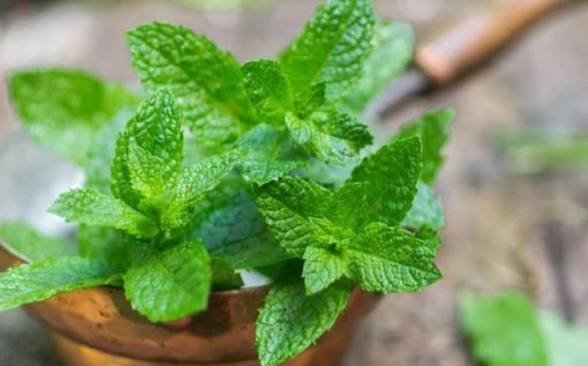
Mint is one of the world’s most popular culinary and medicinal herbs, valued for its refreshing aroma, cooling taste and wide range of uses. It is used in tea, juices, confectionery, pharmaceuticals, cosmetics, essential oils, toothpaste and personal care products. As consumer demand for natural herbs and herbal products continues to rise, mint farming has emerged as a profitable agribusiness opportunity for both small-scale and commercial farmers.
In Kenya, mint is increasingly cultivated to supply supermarkets, hotels, restaurants, herbal tea processors, cosmetic manufacturers, and export markets. The crop is relatively easy to grow, requires moderate capital, and can be harvested multiple times from a single planting, making it an attractive enterprise for farmers seeking regular income.
This comprehensive guide explores everything you need to know about mint farming, from selecting the right variety to harvesting, marketing, and maximizing profits.
Understanding mint
Mint belongs to the genus Mentha, a group of perennial herbs in the Lamiaceae family. The plant spreads rapidly through underground stems known as rhizomes and produces fragrant green leaves that are harvested for fresh or dried use.
Unlike many annual crops, mint continues producing for several years when properly managed. Its vigorous growth habit allows farmers to harvest several times annually without replanting after every season.
Popular mint varieties
Several mint varieties are grown commercially, each with unique characteristics and market applications.
Peppermint (Mentha × piperita) is one of the most valuable varieties due to its high menthol content. It is widely used in herbal medicine, toothpaste, chewing gum, pharmaceuticals, and essential oil production.
Spearmint (Mentha spicata) has a sweeter, milder flavor and is commonly used in beverages, salads, sauces and cooking. It is highly popular among restaurants and hotels.
Apple mint is recognized by its soft, slightly fuzzy leaves and fruity aroma. It is mainly used in herbal teas and ornamental gardens.
Chocolate mint produces leaves with a subtle chocolate fragrance and is favored for specialty desserts, beverages and niche culinary markets.
Pineapple mint features attractive variegated leaves and is grown both as a culinary herb and an ornamental plant.
Before establishing a farm, it is important to identify which variety has the strongest demand within your target market.
Ecological requirements for mint farming
Mint grows best in cool to moderately warm climates with temperatures ranging between 15°C and 30°C. Although it tolerates various environmental conditions, excessive heat can reduce leaf quality and essential oil content.
The crop performs well in areas receiving between 800 mm and 1,500 mm of annual rainfall. Where rainfall is unreliable, irrigation becomes essential to maintain vigorous growth throughout the year.
Mint thrives in fertile, well-drained loam or sandy loam soils rich in organic matter. Soil pH should range between 6.0 and 7.5. Heavy clay soils that retain excessive moisture can encourage root diseases and should be improved through the addition of organic matter and proper drainage.
Land preparation
Proper land preparation creates favorable conditions for healthy root development. The field should first be cleared of weeds, crop residues, and stones before deep ploughing to loosen the soil.
Well-decomposed manure should then be incorporated into the soil several weeks before planting. Organic matter improves soil fertility, enhances moisture retention, and supports beneficial soil microorganisms that contribute to healthy plant growth.
Raised beds are recommended, particularly in areas prone to waterlogging, as they improve drainage and make crop management easier.
Propagation and planting
Mint is rarely propagated from seeds because seed-grown plants often show considerable variation in quality and growth characteristics. Commercial farmers prefer vegetative propagation using runners, stolons, root divisions or stem cuttings taken from healthy mother plants.
Healthy planting materials should be disease-free, vigorous and obtained from reputable nurseries or experienced growers.
Cuttings are planted in moist soil at appropriate spacing to encourage rapid establishment while allowing sufficient air circulation between plants. Proper spacing minimizes competition for nutrients and reduces the risk of fungal diseases.
Planting should ideally coincide with the onset of the rainy season or be supported by reliable irrigation.
Irrigation management
Mint has relatively high water requirements because of its rapid growth and shallow root system. Consistent soil moisture promotes lush leaf production and improves essential oil yield.
However, overwatering should be avoided since excessively wet soils encourage root rot and other fungal diseases. Drip irrigation is particularly effective because it supplies water directly to the root zone while reducing water wastage and limiting leaf diseases caused by excessive moisture.
Mulching around the plants helps conserve soil moisture, suppress weeds, and regulate soil temperature.
Nutrient management
Mint responds well to fertile soils rich in organic matter. Before planting, generous amounts of well-rotted farmyard manure or compost should be incorporated into the soil.
During active growth, balanced fertilizer applications can support vigorous leaf production. Nitrogen is particularly important because it promotes leafy growth, while phosphorus supports root development and potassium improves overall plant health and essential oil quality.
Excessive nitrogen should be avoided because it may encourage soft growth that is more susceptible to pests and diseases.
Regular soil testing helps determine nutrient deficiencies and guides efficient fertilizer application.
Weed management
Weeds compete with mint for water, nutrients, sunlight and space, especially during the establishment stage. Frequent weeding is therefore necessary until the crop forms a dense canopy.
Mulching provides an effective, environmentally friendly method of suppressing weeds while simultaneously conserving moisture and improving soil structure.
Mechanical weeding should be done carefully to avoid damaging the shallow roots and underground runners.
Common pests affecting mint
Although mint naturally repels certain insects due to its aromatic oils, it is not entirely free from pest attacks.
Aphids are among the most common pests and feed by sucking plant sap, causing leaf curling and reduced growth. Whiteflies can weaken plants while also transmitting diseases.
Spider mites become problematic during hot, dry conditions and may cause yellowing and premature leaf drop.
Cutworms occasionally attack young seedlings by cutting stems near ground level.
Integrated pest management practices, including regular scouting, encouraging beneficial insects, proper field sanitation, and the use of approved biological or chemical controls where necessary, help maintain healthy crops while minimizing environmental impact.
Diseases in mint farming
Several diseases can reduce mint yields if not properly managed.
Rust is one of the most destructive diseases, producing orange or brown pustules on leaves and reducing plant vigor. Powdery mildew appears as a white powdery coating on leaves, particularly during humid conditions with poor air circulation.
Root rot develops in poorly drained soils and causes wilting, yellowing, and eventual death of plants. Leaf spot diseases can also reduce leaf quality and market value.
Preventive measures such as crop rotation, proper spacing, good drainage, use of healthy planting materials, and removal of infected plant debris significantly reduce disease incidence.
Harvesting mint
Mint is generally ready for its first harvest about three to four months after planting, depending on growing conditions and variety. Subsequent harvests can be made every six to eight weeks as long as the plants remain healthy.
Harvesting should be carried out just before flowering because this is when essential oil concentration and leaf quality are at their highest. Stems should be cut several centimeters above the ground to encourage rapid regrowth.
Harvesting during the cool morning hours helps preserve the herb’s aroma and freshness.
Post-harvest handling
Proper post-harvest handling is essential to maintain quality and extend shelf life. Freshly harvested mint should be handled gently to avoid bruising the delicate leaves.
For the fresh market, stems should be washed using clean water, sorted, bundled and stored under cool conditions before transportation.
For dried mint production, leaves should be dried in a well-ventilated shaded area to preserve their natural green color, flavor, and essential oils. Direct sunlight should be avoided because it causes discoloration and reduces the concentration of valuable aromatic compounds.
Proper packaging protects the product from moisture and contamination during storage and transport.
Marketing opportunities
Mint has a diverse and expanding market both locally and internationally. Fresh mint is highly demanded by supermarkets, hotels, restaurants, cafés, juice bars, and fresh produce vendors. The growing popularity of herbal teas has also increased demand among tea processors.
Essential oil manufacturers purchase peppermint and spearmint for extracting menthol-rich oils used in cosmetics, pharmaceuticals, soaps, candles, and aromatherapy products. Herbal medicine manufacturers, health food stores, and spice companies also provide reliable markets.
Value addition presents significant opportunities for higher earnings. Farmers can process mint into dried tea, herbal powder, essential oils, flavored syrups, herbal extracts and packaged culinary herbs, increasing product value and shelf life.
Challenges in mint farming
Despite its profitability, mint farming presents several challenges. Water shortages during prolonged dry periods can reduce yields if irrigation is unavailable. Disease outbreaks, particularly rust and root rot, require vigilant monitoring and timely management.
Maintaining consistent product quality is essential because buyers, especially supermarkets and exporters, demand fresh, clean, and uniform leaves. Market fluctuations and limited access to processing facilities may also affect profitability.
However, farmers who adopt good agricultural practices, invest in quality planting materials and establish reliable market linkages can overcome these challenges successfully.
Mint farming offers an excellent opportunity for Kenyan farmers seeking to diversify into high-value horticultural crops. Its multiple harvests, wide range of commercial applications, growing consumer demand, and relatively low establishment costs make it an attractive agribusiness venture for both beginners and experienced farmers.
Success in mint production depends on selecting the appropriate variety, preparing fertile and well-drained soils, maintaining consistent moisture, implementing effective pest and disease management and harvesting at the right stage to maximize quality. By combining good agronomic practices with value addition and strategic marketing, farmers can build a sustainable and profitable mint farming enterprise that meets the growing demand for fresh herbs and herbal products in local and international markets.

Author: Moureen Koech
Moureen Koech is a passionate Digital Journalist, an adept Agribusiness Writer with a keen eye for news and an impactful story-teller,whose stories provide key value to Agripreneurs and stakeholders in the Agricultural sector