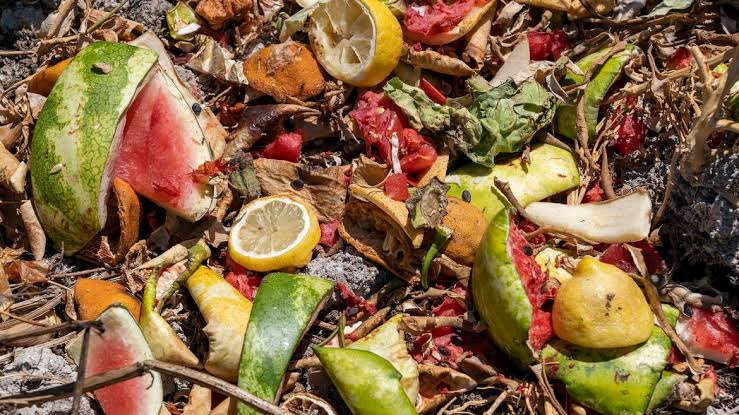
Food waste is a major global challenge affecting food security, environmental sustainability and economic development. Every year, significant quantities of food are lost or discarded throughout the food supply chain, from agricultural production and processing to transportation, retail, restaurants, and households. Reducing food waste is essential for conserving natural resources, lowering food expenses, supporting farmers and ensuring that more food reaches people who need it.
Effective food waste reduction strategies require coordinated efforts from farmers, food processors, retailers, hospitality businesses, governments, and consumers. By improving food storage, planning purchases, adopting better food management practices, and redistributing surplus food, communities can reduce waste while creating economic and environmental benefits.
Understanding food waste and food loss
Food loss and food waste are related but distinct challenges. Food loss generally occurs during production, harvesting, handling, storage, processing, and transportation before food reaches retailers. It can result from inadequate storage facilities, poor infrastructure, pest infestations, unsuitable harvesting techniques, and limited access to markets.
Food waste commonly occurs at the retail, food service, and household levels when edible food is discarded because of over-purchasing, poor meal planning, improper storage, excessive preparation, or confusion about expiry labels.
In agricultural economies such as Kenya, addressing both food loss and food waste is particularly important. Smallholder farmers may lose fresh produce because of limited cold storage, inadequate transport, fluctuating market prices, and a lack of reliable buyers. Meanwhile, households and businesses may discard food that could have been stored safely, consumed later, or redistributed.
Improve food storage and preservation
Proper food storage is one of the most effective food waste reduction strategies. Fresh produce, dairy products, meat, and other perishable foods deteriorate quickly when stored under unsuitable conditions. Maintaining appropriate temperatures, humidity levels, ventilation and cleanliness helps preserve food quality and extend shelf life.
Households can reduce waste by refrigerating perishable foods promptly, storing dry goods in airtight containers, and keeping fruits and vegetables under suitable conditions. Businesses should monitor storage temperatures, organise stock carefully, and inspect products regularly for signs of spoilage.
For farmers, affordable preservation technologies can make a significant difference. Solar-powered cold rooms, evaporative coolers, improved drying systems, and refrigerated transport can help preserve harvested produce, particularly in areas with unreliable electricity.
Drying, freezing, canning, fermentation, and pickling also provide practical ways to preserve surplus food. These methods can help households and food businesses use seasonal produce for longer periods instead of allowing it to spoil.
Adopt better meal planning and food purchasing habits
Poor meal planning is a common cause of household food waste. Buying more food than necessary, purchasing ingredients without checking existing supplies, and preparing excessive portions can result in edible food being thrown away.
Consumers can prevent this by preparing weekly meal plans, checking kitchen supplies before shopping and creating shopping lists based on actual needs. Buying appropriate quantities of perishable products and avoiding unnecessary bulk purchases can also reduce waste.
Planning meals around available ingredients helps households use food before it deteriorates. For example, vegetables approaching the end of their freshness can be incorporated into soups, stews, omelettes or vegetable rice dishes.
Restaurants, hotels, schools, and catering businesses can apply similar principles by estimating demand, monitoring customer preferences, and adjusting production according to expected attendance. Better planning reduces unnecessary purchases and lowers operating costs.
Strengthen post-harvest handling practices
Post-harvest losses are a major concern for farmers, particularly those growing fruits, vegetables, grains and other perishable crops. Poor harvesting techniques, rough handling, inadequate packaging and delayed transportation can damage produce before it reaches the market.
Farmers can reduce these losses by harvesting crops at the appropriate maturity stage, using clean equipment, sorting produce carefully, and avoiding unnecessary bruising. Suitable crates and ventilated packaging can protect fresh produce during handling and transportation.
Training farmers in post-harvest management can further improve food quality and market access. Agricultural extension services, cooperatives, and development organisations can support farmers with practical guidance on harvesting, grading, storage and preservation.
Investment in rural roads, aggregation centres, cold chains, and accessible storage facilities is equally important. These improvements can reduce the time between harvesting and marketing, helping farmers deliver produce while it remains fresh and marketable.
Redistribute surplus food to communities in need
Food redistribution is an important strategy for preventing edible food from going to waste. Supermarkets, hotels, restaurants, manufacturers, and farms sometimes have surplus food that remains safe to consume but may not be sold through normal commercial channels.
Instead of discarding suitable surplus food, businesses can collaborate with food banks, community organisations, charities and other approved distribution partners. These partnerships can connect excess food with vulnerable households and communities experiencing food insecurity.
Effective redistribution requires proper food safety procedures, including temperature control, hygienic packaging, traceability and timely collection. Businesses must ensure that donated food is safe and suitable for consumption.
Clear donation guidelines and stronger partnerships between food businesses and community organisations can help make redistribution more efficient. This approach reduces disposal costs while improving access to food for people who need it.
Use food waste for animal feed and composting
Not all food waste can be prevented or redistributed. Some materials are unsuitable for human consumption but can still be managed productively through other methods.
Where permitted and safely managed, suitable food by-products can be used in animal feed. However, businesses and farmers must follow relevant feed safety requirements and avoid materials that may introduce pathogens, toxins, or other hazards.
Composting offers another practical solution. Fruit peels, vegetable scraps, coffee grounds, and other suitable organic materials can be converted into nutrient-rich compost for gardens and farms. Compost improves soil structure and helps return nutrients to agricultural production.
Larger institutions, markets, hotels, and food processing facilities can establish organic waste collection and composting systems. These initiatives reduce the amount of organic material sent to landfills while supporting more sustainable waste management.
Improve food labelling and consumer awareness
Confusion about food date labels contributes to unnecessary waste. Consumers may discard products because they misunderstand the difference between quality-related dates and safety-related instructions.
Clear labelling can help consumers make informed decisions. Food manufacturers and retailers should provide understandable information about storage conditions, product dates, and instructions for safe handling.
Public awareness campaigns can also encourage households to store food correctly, understand portion sizes, use leftovers safely, and distinguish between food that has lost quality and food that may be unsafe to consume.
However, consumers should never rely on appearance or smell alone to determine whether high-risk foods are safe. Proper storage, date guidance, and food safety recommendations should always be followed.
Adopt technology and data-driven food management
Technology is increasingly helping businesses identify and prevent food waste. Digital inventory systems can track stock levels, monitor expiry dates, and identify products that need to be sold or used first.
Restaurants can use sales data to predict demand, adjust portion sizes, and reduce overproduction. Retailers can monitor purchasing patterns and improve stock rotation to prevent products from expiring before sale.
Farmers and agricultural businesses can also benefit from digital marketplaces that connect producers with buyers, helping reduce losses caused by limited market access. Temperature sensors, smart refrigeration, and improved supply chain tracking can provide early warnings of storage problems.
Food waste measurement tools allow organisations to identify where the largest losses occur and assess whether their reduction strategies are working. Collecting accurate data supports better planning and more effective investment.
Encourage government policies and business accountability
Governments and institutions play a vital role in creating an environment that supports food waste reduction. Policies can encourage food donation, improve waste collection, strengthen food safety standards and promote investment in storage and transportation infrastructure.
Public procurement programmes can also support better food management in schools, hospitals, prisons and other institutions by encouraging accurate demand forecasting and responsible menu planning.
Businesses can establish food waste reduction targets, conduct regular waste audits, and report progress. Supermarkets and food manufacturers can review production schedules, packaging, inventory management, and product distribution to identify preventable losses.
Collaboration between governments, agricultural organisations, private businesses and communities is essential for building effective food waste management systems.
Food waste reduction strategies are essential for improving food security, protecting the environment, and strengthening the efficiency of food systems. Better storage, careful meal planning, improved post-harvest handling, food redistribution, composting, technology adoption and supportive government policies can significantly reduce avoidable food waste.
For Kenya and other agricultural economies, reducing food loss can help farmers protect their earnings, improve access to markets and make more food available to consumers. Households and businesses can also benefit through lower food expenses and more efficient resource use.
Ultimately, reducing food waste requires consistent action at every stage of the food supply chain. By treating food as a valuable resource and adopting practical waste prevention measures, communities can build a more sustainable, resilient and food-secure future.

Author: Moureen Koech
Moureen Koech is a passionate Digital Journalist, an adept Agribusiness Writer with a keen eye for news and an impactful story-teller,whose stories provide key value to Agripreneurs and stakeholders in the Agricultural sector