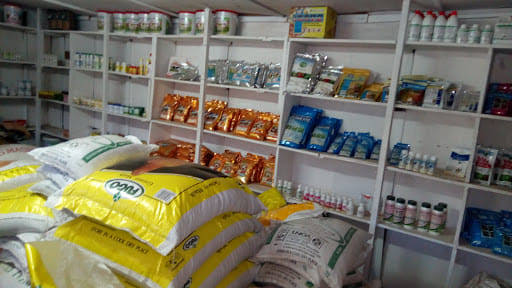
Running an agrovet is as much about managing stock as it is about selling it. Fertilizers, seeds, veterinary drugs, and agrochemicals all tie up your capital, and many of them expire, spoil or lose value if mishandled. Strong inventory management is what separates agrovets that grow from those that struggle with dead stock and cash shortages. This guide explains how to manage inventory in an agrovet step by step.
Why Inventory Management Matters in an Agrovet
Inventory is usually the largest asset in an agrovet business. Every shilling sitting on a shelf is a shilling that cannot pay rent, suppliers, or staff. Poor control leads to three common problems: stockouts that send farmers to your competitors, overstocking that locks up cash, and expiry losses on seeds, vaccines, and chemicals. Good inventory management protects your profit margins, builds customer trust, and keeps the business running smoothly through busy planting seasons and slow months alike.
Know your products and their categories
Start by grouping your stock into clear categories such as seeds, fertilizers, pesticides, veterinary drugs, animal feeds, and farm tools. Each category behaves differently. Seeds are seasonal and sensitive to moisture. Veterinary drugs and vaccines often need cold storage and have short shelf lives. Fertilizers are bulky and sell in large volumes during planting. Understanding these differences helps you decide how much to buy, how to store each item, and how fast it should move.
A useful method is ABC analysis. Class A items are your fast-moving, high-value products that deserve the closest attention. Class B items sell moderately, and Class C items are slow movers that should be kept in small quantities. Focusing most of your effort on Class A products gives the biggest return for your time.
Keep accurate records of every item
You cannot manage what you do not measure. Record every product that comes in and goes out, including the date, quantity, supplier, batch number, and expiry date. Small agrovets can begin with a stock register or a simple spreadsheet, while growing businesses benefit from point-of-sale and inventory software that updates stock automatically with each sale. Digital tools also generate reports showing your bestsellers, slow movers, and profit per product.
Make daily recording a habit. At closing time, reconcile the day’s sales against the stock that left the shelves. Small gaps found early are easy to explain. Gaps found months later usually point to theft, mistakes, or unrecorded credit sales.
Use the FIFO and FEFO Rules
First In, First Out (FIFO) means older stock is sold before newer stock. For products with expiry dates, such as veterinary drugs, pesticides, and vaccines, use First Expired, First Out (FEFO), which prioritizes items closest to expiry regardless of when they arrived. Arrange shelves so older stock sits at the front and new deliveries go behind it. Label shelves clearly and train every staff member to follow the same rñule. This simple habit greatly reduces losses from expired products.
Set reorder levels and safety stock
Avoid guessing when to restock. For each key product, set a reorder level, which is the quantity at which you place a new order. To calculate it, consider how many units you sell per day and how many days your supplier takes to deliver. Add a small safety stock to cover unexpected demand or late deliveries.
Agriculture is seasonal, so adjust these levels throughout the year. Increase seed and fertilizer stock before the long and short rains, and stock more dewormers, acaricides and vaccines when disease outbreaks are common. Reviewing last year’s sales records is one of the best ways to forecast demand.
Store products correctly and safely
Proper storage protects both your stock and your customers. Keep chemicals separate from seeds, feeds, and veterinary drugs to prevent contamination. Store products off the floor on pallets or shelves, away from direct sunlight, moisture, and pests. Vaccines and some drugs need a reliable refrigerator, so consider a backup power source such as solar. Keep a clean, well-ventilated store, and follow label instructions on temperature and handling. Safe storage also helps you comply with regulations governing the sale of veterinary and chemical products.
Count stock regularly
Physical stock counts confirm that your records match reality. Do quick cycle counts weekly on fast-moving items and a full stock take monthly or quarterly. Investigate any differences immediately. Regular counts also help you spot damaged, expired, or slow-moving products before they become a bigger loss.
Manage suppliers and credit wisely
Build relationships with reliable suppliers and compare prices, quality, and delivery times. Buying in bulk from trusted distributors can lower costs, but only for products that sell fast. Always buy genuine, registered products to protect your reputation and your customers’ farms.
Many farmers buy on credit, especially before harvest. Record every credit sale, set clear limits and repayment dates, and follow up consistently. Unmanaged credit quietly drains working capital and makes restocking difficult.
Deal with slow-moving and expired stock
Review your slow movers every month. Consider discounts, bundling them with fast-selling products, or promoting them during farmer training days. Return near-expiry items to suppliers where agreements allow. Dispose of expired veterinary drugs and chemicals safely and according to regulations, and never put them back on the shelf.
Managing inventory in an agrovet comes down to discipline: categorize your products, record every movement, follow FEFO, set smart reorder levels, store safely, count often, and control credit. When done consistently, these practices reduce waste, free up cash, and keep your shelves stocked with what farmers need, when they need it. Start with a simple system today and improve it as your agrovet grows.

Author: Moureen Koech
Moureen Koech is a passionate Digital Journalist, an adept Agribusiness Writer with a keen eye for news and an impactful story-teller,whose stories provide key value to Agripreneurs and stakeholders in the Agricultural sector