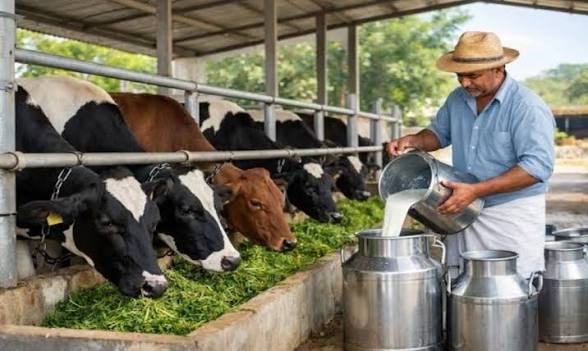
As the dairy industry evolves, technology and innovation are becoming increasingly important in improving cooperative management, increasing productivity and strengthening competitiveness. By adopting digital solutions, modern processing equipment, improved milk handling systems and data-driven management practices, dairy cooperatives can enhance service delivery and create greater economic opportunities for their members.
For countries such as Kenya, where dairy farming is an important agricultural activity, strengthening cooperatives through technology and innovation can contribute to a more efficient, productive and sustainable dairy value chain.
Improving milk collection through digital technology
Efficient milk collection is essential to the success of dairy cooperatives. Traditional milk collection systems often experience challenges such as inaccurate record-keeping, delayed payments, poor coordination and difficulties tracking deliveries from individual farmers.
Digital milk collection systems can address these inefficiencies by automating the recording of milk deliveries and maintaining accurate production records. Through mobile applications and digital platforms, cooperatives can monitor the quantity of milk supplied by each farmer, calculate payments and manage collection schedules.
Digital systems also improve transparency by allowing farmers to access information about their deliveries, deductions and payment records. This reduces administrative disputes and strengthens trust between cooperatives and their members.
In addition, digital payment platforms can facilitate faster and more reliable payments, helping farmers manage household expenses and reinvest in their dairy enterprises.
Modernising milk cooling and storage facilities
Milk is highly perishable, making proper handling and storage essential for maintaining quality and reducing post-harvest losses. Inadequate cooling infrastructure remains a challenge for many dairy cooperatives, particularly those operating in rural areas.
Investing in modern milk cooling tanks, refrigeration systems and temperature-monitoring equipment can help cooperatives preserve milk quality before transportation and processing.
Technological innovations such as automated temperature sensors can enable cooperative managers to monitor storage conditions and identify potential problems before milk quality deteriorates.
Governments, development partners and private investors can support the modernisation of milk collection centres by financing cooling equipment and improving electricity infrastructure. Solar-powered cooling systems also offer opportunities for cooperatives operating in areas with unreliable electricity supply.
Improved cold-chain infrastructure can increase the quantity of quality milk reaching processors while reducing losses and improving farmers’ earnings.
Enhancing dairy farm productivity through innovation
Technology adoption at farm level is equally important in strengthening dairy cooperatives. Low milk productivity is often associated with inadequate animal nutrition, poor breeding practices, livestock diseases and limited access to veterinary services.
Modern dairy farming technologies can help farmers address these challenges through improved feeding systems, artificial insemination, animal identification and digital livestock management tools.
For example, mobile-based livestock management applications can help farmers maintain records of milk production, breeding cycles, vaccination schedules and veterinary treatments. These records enable farmers to make informed decisions about animal health and productivity.
Improved breeding programmes can also support the development of healthier and more productive dairy herds. Cooperatives can collaborate with veterinary professionals, agricultural research institutions and breeding organisations to provide members with access to quality breeding services.
Furthermore, innovations in animal nutrition, including improved fodder production and feed formulation, can help farmers reduce production costs while improving milk yields.
Strengthening cooperative management through digital platforms
Effective management is essential for the sustainability of dairy cooperatives. However, some cooperatives continue to rely on manual administrative systems, which can create challenges in financial reporting, membership management and operational efficiency.
Digital management platforms can streamline administrative activities by automating financial records, member registration, milk transactions and payment processing.
These systems can also improve accountability by providing cooperative leaders with accurate information for planning, budgeting and decision-making.
Digital communication platforms can strengthen engagement between cooperative management and members. Through mobile messaging services and online platforms, cooperatives can share information about meetings, training opportunities, milk prices and industry developments.
Improved access to information can encourage greater member participation and strengthen transparency in cooperative governance.
Expanding value addition through modern processing technologies
Dairy cooperatives can increase their revenue potential by investing in value addition rather than relying exclusively on the sale of raw milk.
Modern processing technologies provide opportunities to produce yoghurt, cheese, butter, fermented milk and other dairy products that serve different consumer markets.
Investing in pasteurisation equipment, packaging machinery, quality-testing facilities and refrigeration systems can improve product quality and extend shelf life.
Value addition can also help cooperatives diversify their income sources and reduce dependence on fluctuating raw milk prices.
However, successful dairy processing requires access to adequate financing, technical expertise, reliable electricity and compliance with food safety standards. Partnerships with private processors, financial institutions and development organisations can help cooperatives overcome some of these investment barriers.
Using data and artificial intelligence to improve dairy operations
Data-driven decision-making is emerging as an important component of modern dairy production. Digital technologies can help cooperatives collect and analyse information on milk production, animal health, market demand and operational performance.
Artificial intelligence and predictive analytics offer opportunities to identify production trends, anticipate livestock health risks and improve resource allocation.
For example, data collected from dairy farms can help cooperatives identify changes in milk production and detect patterns that may indicate nutritional deficiencies or animal health problems.
Digital market information systems can also provide insights into consumer demand, pricing trends and distribution opportunities.
Although advanced technologies may initially be expensive for smaller cooperatives, partnerships with agricultural technology companies and research institutions can make these solutions more accessible.
Addressing barriers to technology adoption
Despite the benefits of innovation, dairy cooperatives face several obstacles when adopting modern technologies. High equipment costs, inadequate digital infrastructure, limited technical skills and low levels of digital literacy can slow adoption.
To address these challenges, governments and development partners should strengthen agricultural extension services and provide targeted training for cooperative leaders and dairy farmers.
Affordable financing options, equipment leasing arrangements and cooperative-based investment models can also help reduce the financial burden of technology adoption.
Furthermore, technology providers should develop solutions that respond to the practical needs of smallholder dairy farmers, particularly those operating in rural areas.
Strengthening dairy cooperatives through technology and innovation is essential for improving productivity, efficiency and competitiveness in the dairy industry. Digital milk collection systems, modern cooling facilities, improved livestock management, automated financial records and advanced processing technologies can transform how cooperatives operate and serve their members.
For Kenya and other African countries, investing in technology-driven dairy cooperatives presents opportunities to improve milk quality, reduce losses, expand value addition and increase farmers’ incomes.
Achieving this transformation requires collaboration between governments, private investors, financial institutions, research organisations and cooperative members. By embracing innovation and investing in modern infrastructure, dairy cooperatives can become more resilient businesses and stronger contributors to agricultural development, rural employment and food security.

Author: Moureen Koech
Moureen Koech is a passionate Digital Journalist, an adept Agribusiness Writer with a keen eye for news and an impactful story-teller,whose stories provide key value to Agripreneurs and stakeholders in the Agricultural sector