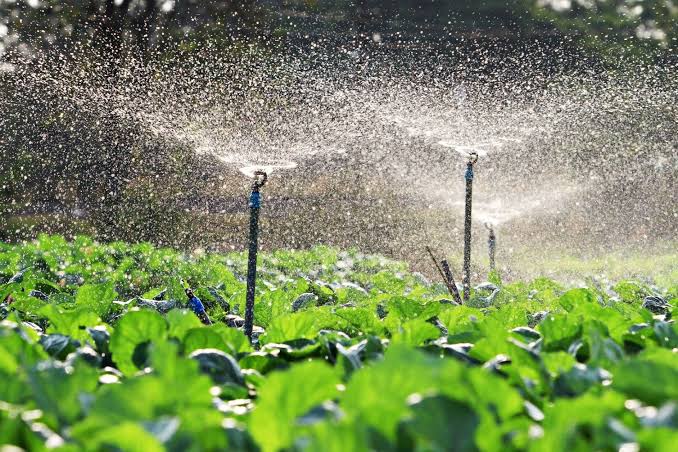
Rain-fed farming is becoming riskier every year. Erratic rainfall, long dry spells and shrinking farm sizes are pushing farmers to look for reliable water. This creates a growing opportunity for entrepreneurs who sell, install and service irrigation systems. Solar pumps and drip kits stand out because they cut fuel costs, save water and help farmers grow crops all year round. If you are looking for an agribusiness with strong demand and real impact, irrigation deserves a place on your shortlist.
Why irrigation is a growing business opportunity
Most smallholder farmers still depend on rainfall, which limits them to one or two seasons a year. Irrigation changes that. A farmer with dependable water can produce vegetables, fruits and fodder during dry months, when prices are highest. This extra income gives farmers a strong reason to invest in irrigation equipment.
Government programs, development partners and financing institutions are also promoting water-efficient farming and clean energy. As a result, demand is rising for affordable systems that small farms can actually use. Businesses that bring these solutions to farmers, with training and after-sales support, are well placed to grow.
Understanding solar pumps and drip kits
A solar water pump uses energy from solar panels to draw water from a river, borehole, well, dam or tank. There is no fuel to buy and no noisy engine to maintain. Once installed, running costs are very low, which appeals to farmers tired of rising diesel and electricity bills.
A drip irrigation kit delivers water slowly and directly to the roots of each plant through pipes and emitters. It uses far less water than flooding or sprinklers and reduces weed growth and disease. Drip kits come in sizes from small kitchen-garden packs to full commercial setups. Together, solar pumps and drip kits create a low-cost, efficient system that suits both small and medium farms.
Business models you can choose from
- Retail and installation. Buy equipment from reputable suppliers and sell it to farmers, with installation as a paid service. This is the most common entry point.
- Pay-as-you-go or leasing.Many farmers cannot afford the full price upfront. Offering installments or lease-to-own arrangements opens up a much larger market, though it requires careful credit management.
- Irrigation as a service. You own the pump and charge farmers per use or per season. This works well in areas where several farmers share a water source.
- Design and consultancy.Offer farm water assessments, system design and training for commercial farms, schools, estates and institutions.
- Maintenance and spare parts. Servicing systems and supplying filters, pipes and replacement parts creates steady repeat income.
Steps to Start
1. Study your local market.Identify the crops grown, water sources available and the average farm size. Talk to farmers, agro-dealers and cooperatives to learn what they can afford and what problems they face.
2. Choose reliable suppliers.Quality matters. Poor pumps and low-grade drip lines fail quickly and damage your reputation. Look for suppliers who offer warranties, spare parts and technical training.
3. Get the right skills. Learn how to size pumps, calculate water needs and design drip layouts. Many suppliers and training institutions offer short courses. Good advice sets you apart from sellers who only move boxes.
4. Register and comply.Register your business and check local requirements for water use, permits and equipment standards. Rules on drawing water from rivers or boreholes differ by area.
5. Start small and build a showcase. Set up demonstration plots so farmers can see the results for themselves. Seeing healthy crops during a dry season is the best marketing you can have.
6. Market through trusted channels. Partner with farmer groups, SACCOs, agrovets and extension officers. Use social media, radio and field days to reach more customers.
Costs, Funding and Profit Margins
Start-up costs depend on whether you sell small kits or build large systems. You will need stock, tools, transport, a small office or shop and working capital. Margins on equipment and installation can be healthy, and service contracts add recurring income.
Funding options include savings, group contributions, grants for green energy, asset financing and partnerships with suppliers who offer stock on credit. Helping customers access finance often increases your sales as much as lowering prices does.
Challenges to prepare for
High upfront cost remains the biggest barrier for farmers. Some also lack knowledge about system care, leading to blocked emitters or damaged panels. Theft of solar panels, price competition and poor-quality imports are other risks. Strong training, quality products and reliable after-sales service help you overcome these challenges.
Irrigation is more than selling equipment. It is about giving farmers control over water, and with it, more stable harvests and better incomes. By combining solar pumps and drip kits with training, financing options and dependable service, you can build a profitable business that grows alongside the farmers you serve.

Author: Moureen Koech
Moureen Koech is a passionate Digital Journalist, an adept Agribusiness Writer with a keen eye for news and an impactful story-teller,whose stories provide key value to Agripreneurs and stakeholders in the Agricultural sector