Many Kenyan farmers apply fertilizer without knowing what their soil needs. That wastes money and often lowers yields. KALRO reports that 65 per cent of Kenya’s soil is acidic and degraded. Meanwhile, fewer than 6 per cent of farmers have ever done a soil test, according to a FarmBizAfrica survey. That gap between need and service is exactly where a soil testing business can grow.
What soil testing does for farmers
A soil test shows which nutrients are missing and whether the soil is too acidic. The farmer then applies only what is needed. Both KALRO and the University of Nairobi return results with instructions on which fertilisers to use. The payoff can be large. In one western Kenya study, applying lime at 4 tons per hectare to acidic maize fields increased yields fivefold. A test tells a farmer whether lime is needed, which is advice farmers will pay for once they see results.
Services you can offer
You do not need to build a full laboratory on day one. There are several entry points:
– Sample collection and delivery: collect soil from farms, send it to KALRO or a university lab, and return the results with plain-language advice.
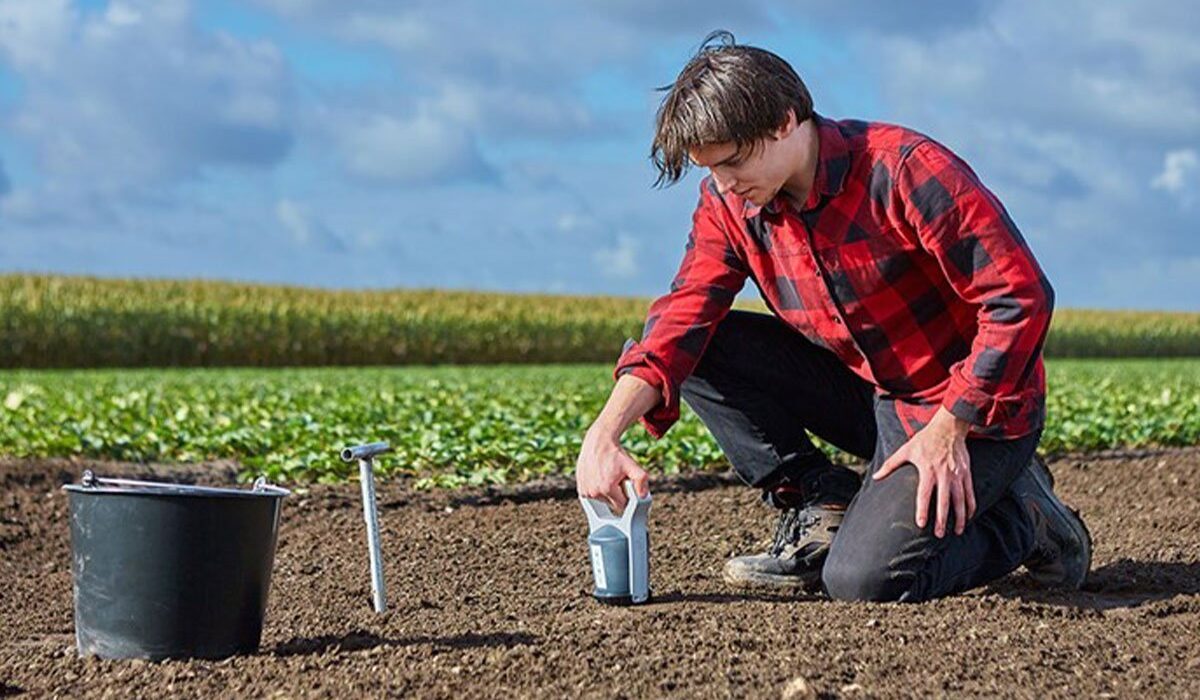
– On-farm testing with kits or scanners: give quick results in the field. Note that good kits are not affordable to most smallholders unless they pool resources, and interpreting results may still need an expert.
– Fertilizer and lime advisory: turn lab results into a simple planting and input plan for each crop.
– Bundled sales: pair testing with fertilizer, lime, seed or organic manure sales if you run an agrovet.
Know the market prices
Your pricing must make sense next to the public options. KALRO charged Sh650 for an NPK test and Sh1,000 for a full soil test in October 2025, while the University of Nairobi charged Sh1,500 and Sh3,500. A private service must add value to compete, through convenience, speed or advice. Collecting samples and explaining results at the farm gate is something farmers cannot easily get from a distant lab.
The Main Challenge: Willingness to Pay
Be realistic about demand. In a study of smallholder maize farmers, only 20% were willing to pay KES 1,350, the cheapest unsubsidized soil test on the market. The same study found that larger landholdings, more intensive maize cultivation and higher yields were each linked to a higher willingness to pay, and younger farmers were willing to pay more than older ones. So start with commercial and larger farms, young farmers, flower and horticulture growers, and groups such as cooperatives that can share the cost of one test across many members.
A government push that helps you
Policy is moving in your favour. Kalro has said there are seven laboratories offering soil tests to farmers. In 2025, KALRO and county governments began collecting and testing over 77,000 soil samples across 45 counties. Under that programme, agripreneurs will advise farmers on suitable crops and inputs based on test results. This is a clear opening for young entrepreneurs who can become the link between the lab and the farmer.
How to Start
Begin small and build trust. Start by learning how to sample soil correctly, since a poor sample gives a poor result. Partner with a KALRO or university lab, and train in basic soil science through county extension services. Pick one area, such as a maize or coffee zone, and offer a few free or discounted tests to respected farmers. When their yields improve, word of mouth will bring more customers. Keep records of each farm so you can offer repeat testing, since farmers should ideally test their soil every three years.
Soil testing is a low-capital, knowledge-based business that solves a real problem. The market is still young, the need is clear and farmers who test often spend less on inputs and harvest more. If you combine accurate results with honest advice and fair pricing, you can build a trusted service that grows with your community.

Author: Moureen Koech
Moureen Koech is a passionate Digital Journalist, an adept Agribusiness Writer with a keen eye for news and an impactful story-teller,whose stories provide key value to Agripreneurs and stakeholders in the Agricultural sector