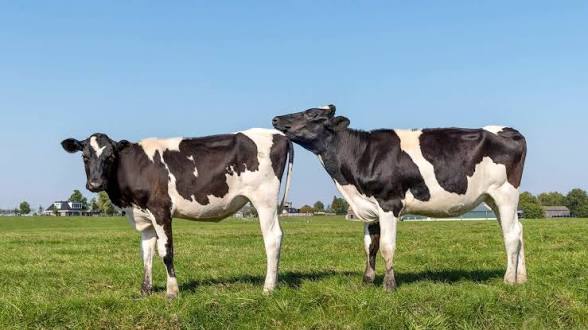
A heifer is a young female cow that has not yet given birth. Heifer rearing for sale means raising female calves to the point where they are ready to breed or have just conceived, then selling them to dairy farmers who want to expand or replace their herds. Instead of waiting for milk income, you earn from the sale of well-grown, healthy animals.
This business suits farmers who have land, fodder and a love for animals but do not want the daily work of milking and milk marketing. It also fits dairy farmers who want an extra income stream from surplus female calves.
Why the business is profitable
Demand for quality dairy heifers is strong. Many farmers want to start dairy farming or upgrade their herds, but they prefer to buy animals that are already grown and close to breeding. Raising a heifer takes about two years, and most farmers lack the time, feed or patience to do it. That gap creates a ready market for those who rear them well.
Prices vary by breed, age, health, pedigree and whether the heifer is pregnant, so always check current local prices. In general, a well-raised pregnant heifer from a good bloodline sells for much more than the cost of raising her, especially when she has a documented breeding history.
Choosing breeds and starting stock
The most common dairy breeds in Kenya are Friesian, Ayrshire, Guernsey and Jersey, along with crosses between them. Friesians give high milk volumes, Jerseys are hardy with rich milk and Ayrshires adapt well to many highland conditions. Choose breeds that match your climate, feed supply and your buyers’ preferences.
Start with strong female calves from reliable farms, ideally from mothers with good milk records. If you plan to breed your own calves, use quality semen from proven bulls through artificial insemination. Buying cheap, unhealthy calves is a costly mistake that leads to slow growth and poor sales.
Housing, Feeding and Care
Good housing keeps heifers healthy. Provide a clean, dry, well-ventilated shed with a non-slip floor, enough space per animal and constant access to clean water. Separate calves by age to reduce disease and bullying.
Feeding determines how quickly heifers grow and how soon they can breed. Newborn calves need colostrum within the first hours of life, then milk or milk replacer, followed by gradual introduction of calf pellets, good hay and fresh water. As they grow, feed quality fodder such as Napier grass, Rhodes grass, silage and hay, supported by dairy meal and mineral supplements. Poor feeding delays maturity and lowers the final price, so budget carefully for feed, which is the largest cost in the business.
Health management and record keeping
Disease control protects your investment. Follow a vaccination and deworming schedule set with a qualified veterinarian, and control ticks through regular dipping or spraying. Common concerns include East Coast fever, foot and mouth disease, calf scours and worms. Early treatment and clean housing reduce losses.
Keep detailed records for each animal, including birth date, parentage, weight, vaccinations, treatments and breeding dates. Buyers pay more when they see proof of health and pedigree. Records also help you spot problems early and decide which animals to keep or sell.
Breeding and preparing heifers for sale
Heifers are usually ready for first service when they reach the right body weight and age, commonly around 15 to 18 months, depending on breed and feeding. Use artificial insemination or a good bull, and confirm pregnancy through a vet. Selling pregnant heifers, especially those with confirmed dates and sire details, usually earns a higher price than selling unbred ones.
Before sale, make sure the animal is in good body condition, up to date on vaccinations and free from parasites. Prepare her papers, including pedigree where available and a health record.
Finding buyers and marketing
Your main customers are new and expanding dairy farmers, cooperatives, farmer groups and institutions running dairy projects. Spread the word through local farmer networks, agricultural shows, social media pages, WhatsApp groups and relationships with vets and AI service providers. Satisfied buyers bring referrals, which are the strongest marketing tool in livestock.
Offer buyers honest information, allow visits to your farm and consider simple after-sale advice. A good reputation lets you charge better prices and sell faster.
Challenges
The main challenges are high feed costs, disease outbreaks, delays in conception and price changes. Reduce risks by growing your own fodder, making hay or silage in good seasons, keeping strict hygiene and working closely with a vet. Start with a small number of heifers, learn the process and expand as your income and experience grow.
Heifer rearing for sale is a practical way to earn from dairy farming without depending on daily milk sales. With good breeds, sound feeding, careful health management and honest marketing, you can turn young calves into valuable breeding stock and build a trusted name in your area.

Author: Moureen Koech
Moureen Koech is a passionate Digital Journalist, an adept Agribusiness Writer with a keen eye for news and an impactful story-teller,whose stories provide key value to Agripreneurs and stakeholders in the Agricultural sector