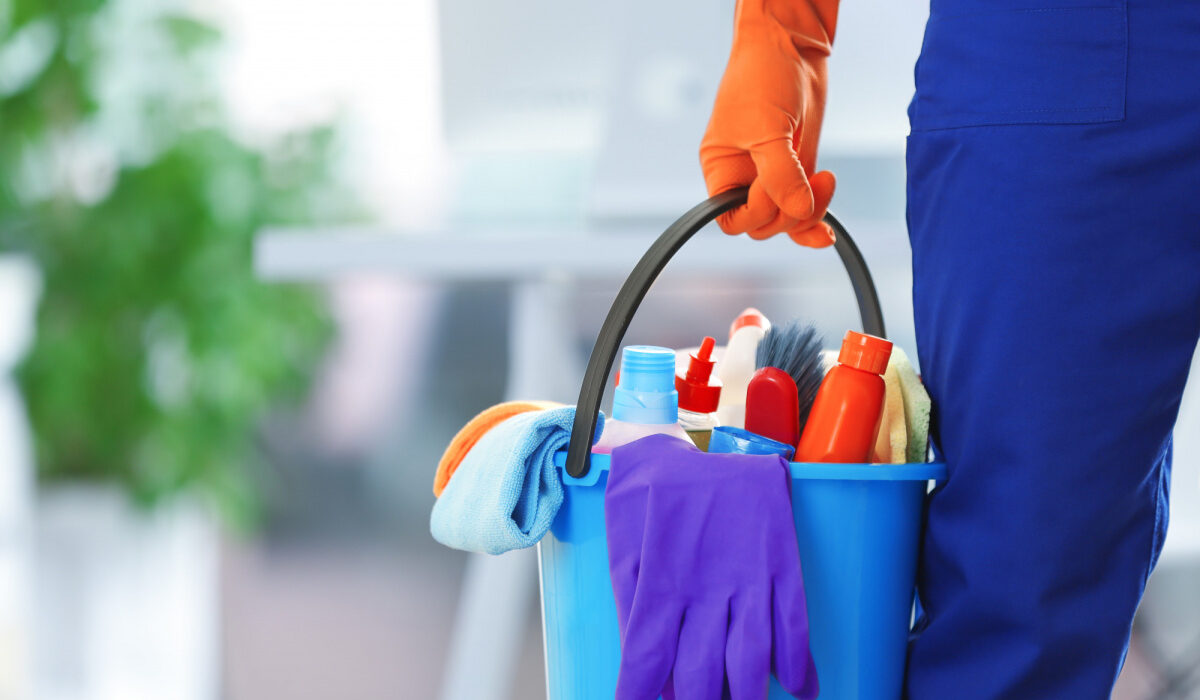
Thinking about starting a cleaning business? You’re not alone. More people than ever are turning their skills into income and the cleaning industry is one of the easiest and most profitable places to begin. Whether you’re looking to start small or grow into a full-service company, this guide will walk you through the essential steps to launch a successful cleaning business from the ground up.
Why Start a Cleaning Business?
The beauty of a cleaning business is its simplicity. Startup costs are low, you don’t need a degree or special certification and there’s constant demand from both homes and businesses. You can start solo with basic supplies and scale up at your own pace. Plus, you control your schedule, income and customer base.
If you’re ready to be your own boss and enjoy making spaces sparkle, this could be the perfect opportunity.
Step 1: Choose Your Niche

First, decide what kind of cleaning services you’ll offer. Specializing helps you focus your marketing and deliver expert results.
Popular niches include:
Residential house cleaning
Office and commercial cleaning
Move-in/move-out cleaning
Post-construction cleaning
Eco-friendly (green) cleaning
Starting with a niche allows you to build a reputation and add more services as your business grows.
Step 2: Make a Simple Business Plan
A business plan doesn’t need to be complicated. Outline your goals, target market, pricing, and marketing strategy. Include a list of your startup expenses (like supplies, licenses and insurance), and estimate how much you need to earn to break even or profit.
This roadmap keeps you focused as you grow and ensures you’re treating your cleaning service as a real business.
Step 3: Get Registered and Licensed
Make your business official by choosing a name and registering it with your state or local government. Most solo cleaners start as sole proprietors, but forming an LLC offers legal protection and professionalism.
You’ll also need:
A local business license
An EIN (Employer Identification Number) if hiring
General liability insurance (a must!)
Some clients, especially commercial ones, will ask for proof of insurance before hiring you.
Step 4: Buy the Right Cleaning Supplies
Start with the basics:
All-purpose cleaners and disinfectants
Microfiber cloths
Mops, brooms and buckets
A quality vacuum cleaner
Rubber gloves and masks
As you land more jobs, you can reinvest in higher-grade or specialized equipment. If you’re marketing your service as eco-friendly, look into non-toxic, biodegradable products to match.
Step 5: Set Your Pricing
Pricing depends on your area, competition and services offered. Most residential cleaners charge between $25–$50 per hour or offer flat rates (e.g., $120 for a 2-bedroom home). Create a pricing guide with different packages, such as:
Basic clean (surfaces, floors, dusting)
Deep clean (appliances, baseboards, etc.)
Add-ons (windows, laundry, organizing)
Don’t undervalue your time, clients are paying for convenience, quality and trust.
Step 6: Start Marketing Your Business
No one can hire you if they don’t know you exist! Start by marketing locally:
Set up a Google Business Profile
Share services on neighborhood groups (Facebook, Nextdoor)
Create flyers or door hangers for residential areas
Ask friends and family to spread the word
Build a simple website with your services, prices and contact info
Word of mouth and online reviews are powerful tools. Offer referral discounts to happy customers to keep the buzz going.
Step 7: Deliver Great Service
Your reputation is your biggest asset. Always show up on time, be courteous, and do a thorough job. Pay attention to the little details like folding towels or organizing a cluttered counter.
When clients are impressed, they’ll rebook and tell others. Always follow up for feedback and encourage online reviews. The more positive reviews you have, the easier it is to build trust with new customers.
Step 8: Grow at Your Own Pace
As your business becomes more stable, you may want to hire help, expand to new neighborhoods or offer more specialized services. Keep organized with scheduling software, set clear expectations with staff and continue focusing on customer satisfaction.
There’s no limit to how big your cleaning business can grow with consistent service, strong systems and smart marketing.
Ready to Start Your Cleaning Business?
You don’t need to wait for the “perfect time.” If you’ve got the drive, a plan and a broom, you’re ready. Starting a cleaning business is not just a job; it’s a step toward independence and financial freedom.
So grab your supplies, set your schedule and start building something that’s truly yours. Your first client is just around the corner.

Author: Moureen Koech
Moureen Koech is a passionate Digital Journalist, an adept Agribusiness Writer with a keen eye for news and an impactful story-teller,whose stories provide key value to Agripreneurs and stakeholders in the Agricultural sector