


In today’s competitive and fast-changing business environment, leaders are under increasing pressure to deliver results, motivate their teams and adapt to constant change.
However, While technical knowledge, strategic thinking and experience remain important, research shows that emotional intelligence (EI)is what sets outstanding leaders apart.
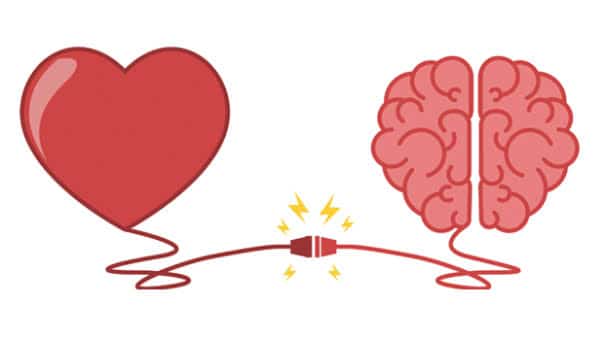
Emotional intelligence refers to the ability to recognize, understand and manage emotions both your own and those of others.
In leadership, it is a powerful skill that not only influences team performance but also shapes organizational culture and long-term success.
What is Emotional Intelligence in leadership?
At its core, emotional intelligence in leadership is about being self-aware and empathetic while using these skills to inspire and guide others. It goes beyond intellect and focuses on the human side of business interactions. Leaders with high EI are more approachable, adaptable and capable of building strong relationships.
Psychologists Daniel Goleman and Peter Salovey identified five main components of emotional intelligence that are particularly valuable for leaders:
1. Self-awareness – The ability to understand your emotions and recognize how they affect your decisions and interactions.
2. Self-regulation – Managing impulses, staying calm under stress and being adaptable in challenging situations.
3. Motivation – Being driven by vision and values, and inspiring others to pursue shared goals.
4. Empathy – Understanding and respecting the feelings and perspectives of others.
5. Social skills – Building connections, resolving conflicts and influencing people positively.
These skills are not innate for everyone but can be developed with practice and awareness.
Why emotional intelligence matters in business leadership
Enhances communication
Clear and effective communication is at the heart of strong leadership. Leaders with emotional intelligence know how to listen actively and convey their messages in ways that resonate with their teams. They pick up on non-verbal cues, adapt their tone depending on the audience, and create an environment where people feel comfortable sharing ideas. This reduces misunderstandings and improves teamwork.
Increases employee engagement
Employees thrive in workplaces where they feel valued and understood. Leaders who demonstrate empathy and appreciation build stronger emotional connections with their teams. This boosts morale, increases job satisfaction and reduces staff turnover. Engaged employees are also more likely to contribute innovative ideas and go the extra mile to achieve company goals.
Improves conflict resolution
Disagreements are inevitable in any workplace, but how they are handled makes a big difference. Leaders with high EI can approach conflicts with fairness, patience and understanding. Instead of escalating tensions, they focus on finding common ground and long-term solutions. This approach not only resolves immediate issues but also strengthens team trust.
Strengthens decision-making
High-pressure business environments often demand quick and tough decisions. Leaders who lack emotional control may let stress cloud their judgment. On the other hand, emotionally intelligent leaders remain calm, weigh different perspectives and make balanced decisions. This reduces costly mistakes and ensures that decisions align with long-term goals.
Builds a positive workplace culture
Culture is the heartbeat of any organization, and emotionally intelligent leaders play a key role in shaping it. By demonstrating empathy, fairness, and resilience, they foster trust and respect among employees. A positive culture not only boosts performance but also attracts top talent who want to work in supportive environments.
How leaders can develop emotional intelligence
The good news is that emotional intelligence is not fixed ,it can be cultivated over time with consistent effort. Leaders who want to strengthen their EI can take the following steps:
Practice Active Listening: Give full attention to others, avoid interrupting and focus on understanding their message.
Seek Constructive feedback: Ask colleagues and team members for honest input about your leadership style and areas of improvement.
Manage stress effectively: Use techniques such as mindfulness, journaling or regular exercise to stay calm during pressure-filled moments.
Demonstrate empathy daily: Make an effort to acknowledge employees’ challenges and successes. Simple acts of recognition go a long way.
Increase Self-awareness: Reflect on your strengths, weaknesses,
and emotional triggers. Keeping a journal can help track patterns in your reactions.
Leadership training programs that include emotional intelligence workshops can also provide structured ways to improve these skills.
The Business case for emotional intelligence
Beyond personal development, emotional intelligence has a direct impact on business performance. Studies show that organizations led by emotionally intelligent leaders experience:
Higher productivity and innovation.
Improved employee retention and reduced recruitment costs.
Stronger customer relationships, as employees who feel valued pass that positivity onto clients.
Greater adaptability to economic uncertainty and industry changes.
This explains why many Fortune 500 companies now prioritize emotional intelligence assessments and training for executives. EI is no longer just a “soft skill”, it is a measurable asset that drives profitability and long-term sustainability.
In an age where technology, automation and data dominate the business world, the human side of leadership remains irreplaceable. Emotional intelligence gives leaders the ability to connect with people, inspire trust and build resilient teams that can thrive even in uncertain times.

Author: Moureen Koech
Moureen Koech is a passionate Digital Journalist, an adept Agribusiness Writer with a keen eye for news and an impactful story-teller,whose stories provide key value to Agripreneurs and stakeholders in the Agricultural sector


