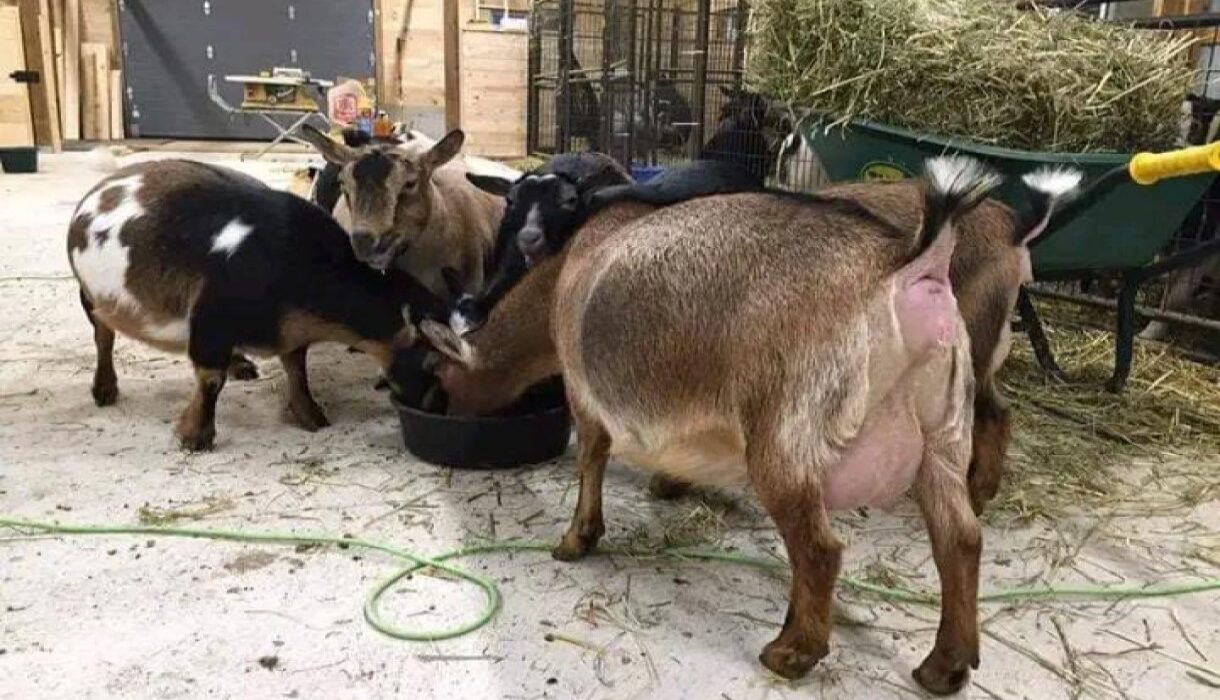
Goat farming has emerged as one of the fastest-growing agribusiness ventures globally and 2025 presents the perfect opportunity to join the movement. With rising demand for organic meat and milk, coupled with the need for sustainable and low-cost farming practices, goats are proving to be the ideal livestock choice for both rural and urban farmers.
Goats are hardy, adaptable and highly productive animals. They thrive in diverse environments, require little capital to start and offer multiple income streams from meat, milk, skin and manure.
Reasons why goat farming in 2025 could be your most profitable agricultural decision
Feeding needs are less
Goats are natural browsers, which means they can survive on shrubs, leaves, weeds and grasses that are often neglected by other livestock. Unlike cattle or pigs that require expensive feeds, goats can thrive on affordable or locally available vegetation.
This adaptability makes them cost-effective to rear, especially for farmers in regions where pasture or feed resources are limited. In addition, goats help manage unwanted weeds, reducing the need for herbicides and contributing to eco-friendly farming.
Goats turn low-cost feed into high-value meat and milk maximizing profits with minimal input.
Minimal space is required
One of the major advantages of goat farming is its low space requirement. Goats don’t need large grazing lands; even a small backyard or a few acres can sustain a healthy herd.
For urban farmers or those with limited land, goats can be raised in semi-intensive or zero-grazing systems using simple shelters. Their small body size and social nature make them easy to manage in confined areas without stress.
This flexibility allows farmers to start small and expand gradually without major infrastructural investments.
Multipurpose benefits: Milk, Meat & Fiber
Goats are incredibly versatile animals. Depending on the breed, they can produce milk, meat and even fiber such as cashmere or mohair.
- Goat milk is rich in calcium, protein and essential vitamins and is easier to digest than cow milk making it popular among health-conscious consumers.
- Goat meat (chevon) is lean, flavorful and consumed in many cultures globally.
- Some breeds, like the Angora and Cashmere goats, also produce valuable fiber used in textile industries.
This multipurpose nature ensures multiple income streams from the same animal, maximizing profitability.
Low Maintenance
Goats are hardy, independent, and require less maintenance compared to most livestock. They can tolerate a variety of climatic conditions and rarely need complex housing or feeding systems.
Routine care such as deworming, hoof trimming and vaccination is usually sufficient to keep them healthy. Their calm nature and manageable size also make them easier to handle even for beginners in livestock farming.
For farmers looking for a low-stress, high-reward venture, goat farming is an ideal option.
Numerous breeds to choose from
Globally, there are over 300 goat breeds, each adapted to specific environments and purposes. This gives farmers the freedom to choose the best breeds for their goals and climate conditions.
Some popular options include:
- Boer Goats – Famous for their rapid growth and quality meat.
- Alpine and Saanen Goats – Excellent milk producers.
- Angora and Cashmere Goats – Bred for their valuable fiber.
This breed diversity allows farmers to either specialize (for example, in dairy or meat) or diversify their operations for multiple income sources.
Ready market demand
The global demand for goat products continues to rise. Goat meat is widely consumed in Africa, Asia and the Middle East, while goat milk and cheese are gaining popularity in Europe and America as healthier alternatives to cow dairy.
As more people shift toward organic and sustainable diets, goat products are becoming premium commodities. This growing demand ensures a ready and reliable market for farmers throughout the year.
Resilience to Climate Change
Climate change is one of the biggest threats to agriculture, but goats have proven remarkably resilient. They adapt easily to hot, dry or cold environments and can graze on rough, dry land unsuitable for crops or other livestock.
Their efficient feed conversion and ability to survive harsh conditions make them an essential livestock choice for farmers facing unpredictable weather patterns.
Faster growth and reproduction
Goats mature quickly and have a high reproductive rate. A single female goat (doe) can give birth to two or more kids every year. With good management, farmers can double or triple their herd size within a short time.
This fast multiplication rate means quicker returns on investment and a continuous supply of products for the market making goat farming one of the fastest-scaling agricultural enterprises.
Resistance to diseases
Goats are generally more disease-resistant than cattle, sheep or pigs. While they still need basic veterinary care, their natural immunity helps reduce medical expenses and losses.
Common diseases can be prevented through proper hygiene, deworming, and vaccination. The result is lower maintenance costs and higher profitability for farmers.
Starting goat farming in 2025 is a strategic move for anyone looking to venture into sustainable and profitable agribusiness..
With growing global demand and increasing awareness of sustainable livestock, goats stand out as a reliable investment that guarantees both income and food security. Whether you’re a small-scale farmer or looking to expand into commercial production, goat farming offers the perfect balance of affordability, productivity and sustainability.

Author: Moureen Koech
Moureen Koech is a passionate Digital Journalist, an adept Agribusiness Writer with a keen eye for news and an impactful story-teller,whose stories provide key value to Agripreneurs and stakeholders in the Agricultural sector