Table of Contents
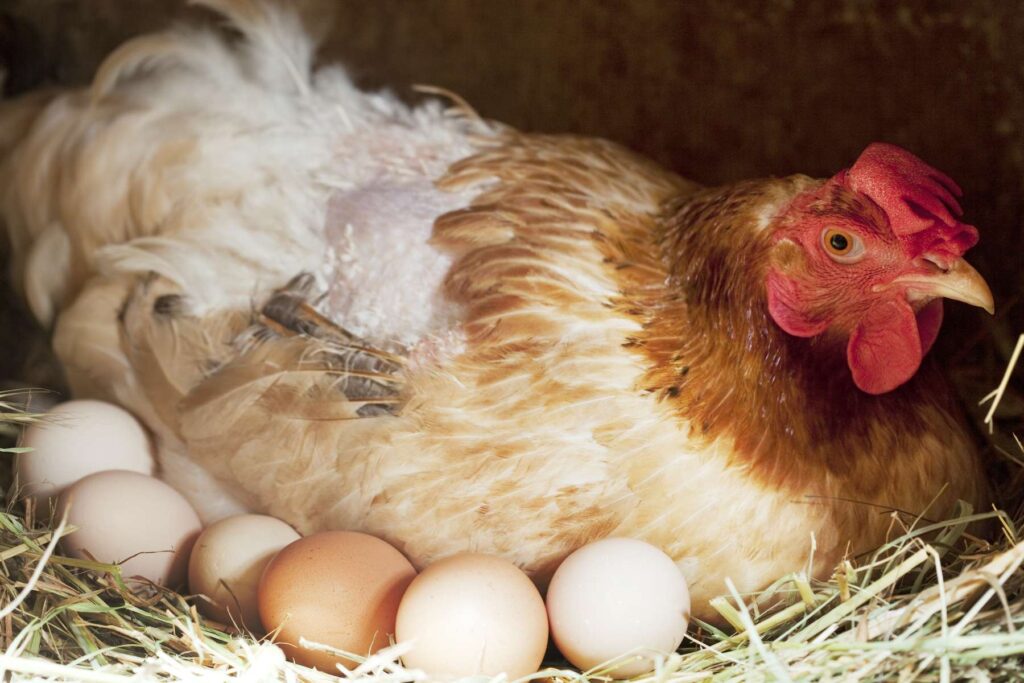
ToggleBroody Hen: Nature’s perfect incubator
Incubator
The smart business choice for commercial or semi-commercial poultry enterprises, an incubator is a must-have investment. It ensures precision in temperature, humidity and ventilation, giving you consistent hatching results year-round. Modern incubators , whether fully automatic or semi-manual allow farmers to hatch hundreds or even thousands of eggs at once.
Warm environment
Cost-Effective and Simple. If you’re operating on a tight budget, maintaining awarm and stable environment can help.
Place the eggs in a well-insulated room where the temperature remains steady. You can use heating pads, hot water bottles wrapped in towels or low-wattage bulbs to generate warmth. However, this method requires frequent monitoring with a thermometer and hygrometer to ensure conditions remain stable and within the optimal range. Ideal for small hatcheries or farms experimenting with incubation before investing in professional equipment. Always prioritize consistent temperature over high heat, fluctuations can harm embryo development.
Insulated Box Method
Creating an insulated box incubator can be an affordable alternative to commercial incubators. Use materials like foam boxes, wooden crates or cardboard boxes lined with insulation. Add a safe heat source, such as heating pads, warm water bottles or a small heat bulb and monitor temperature using a reliable thermometer. Ensure there’s proper airflow and ventilation holes to prevent overheating and allow oxygen circulation, vital for embryo health. This DIY approach is ideal for small-scale entrepreneurs starting out in poultry farming. It teaches temperature management skills crucial for operating larger incubators later.
Key guidelines when using artificial heat sources
Whether you’re using a homemade incubator or a professional one, several factors determine your success rate:
- Consistent Temperature: Keep it between 99–100°F (37–38°C). Avoid rapid changes, which can stop embryo growth.
- Proper Ventilation: Fresh air prevents carbon dioxide buildup and supplies oxygen to developing embryos.
- Humidity Control: Maintain 45–55% humidity during incubation and increase slightly toward hatching.
- Gentle Turning: Turn eggs 3–5 times a day to prevent the embryo from sticking to the shell. Stop turning three days before hatching.
- Hygiene: Always wash hands and equipment before handling eggs to prevent contamination.
Record your incubation conditions daily. Tracking temperature, humidity and hatch success helps identify trends and improve efficiency , a critical practice for scaling your poultry business.
Why proper egg warming matters for your poultry business
Maintaining the right incubation temperature isn’t just about hatching chicks , it’s about maximizing profitability. Proper egg warming leads to:
- Higher hatch rates and healthier chicks
- Reduced losses due to failed incubation
- Better productivity and stronger flock genetics
- Improved business reputation through reliable output
By investing in consistent warming methods and monitoring systems, poultry entrepreneurs can ensure steady supply and predictable revenue both vital for long-term succes,

Author: Moureen Koech
Moureen Koech is a passionate Digital Journalist, an adept Agribusiness Writer with a keen eye for news and an impactful story-teller,whose stories provide key value to Agripreneurs and stakeholders in the Agricultural sector