Silage making has become one of the most important feed preservation methods for livestock farmers in Kenya. As unpredictable weather patterns and prolonged dry seasons continue to threaten pasture availability, silage provides a sustainable solution for ensuring a constant supply of nutritious feed throughout the year. By mastering the process of silage production, farmers can greatly improve the productivity of their dairy and beef animals while reducing dependence on costly commercial feeds.
Understanding Silage
Silage is fermented, high-moisture fodder made from green crops that are stored and preserved under airtight conditions. The process depends on lactic acid bacteria, which convert plant sugars into lactic acid, creating an acidic environment that prevents spoilage. This type of preservation helps retain most of the nutrients found in the original forage, making silage more nutritious than dried feeds like hay. Silage can last for up to two years if well preserved, providing livestock with consistent, high-quality feed during both wet and dry seasons.
The importance of silage making
For Kenyan livestock farmers, silage making has become a key component of sustainable farming. It ensures feed security by preserving excess forage during the rainy season for use when grass becomes scarce. Because the fermentation process locks in essential nutrients such as proteins, carbohydrates and vitamins, silage contributes to better animal health and performance. Dairy cows fed on good-quality silage produce more milk, while beef animals experience faster weight gain. Silage also lowers overall feed costs, as farmers can rely on their own stored feed instead of purchasing commercial alternatives. In addition, it reduces wastage, since green fodder that might otherwise rot or dry out can be converted into valuable feed.
Choosing the right crops for silage
Different crops produce varying silage quality depending on their sugar content, moisture level, and digestibility. Maize is the most popular crop for silage in Kenya because it contains high levels of energy and ferments efficiently. Napier grass, also known as elephant grass, is another excellent option, especially for smallholder farmers, though it often requires the addition of molasses to improve fermentation. Sorghum and millet are suitable for arid and semi-arid regions since they tolerate drought and still provide nutritious fodder. Oats and legumes such as lucerne can be used to enrich the protein content of maize-based silage. The choice of crop ultimately depends on the farmer’s location, climate and available resources.
Steps in Silage making
The silage-making process involves several key stages that must be carried out carefully to ensure success.
The first step is harvesting the crop at the right stage of maturity. For maize, the ideal time to harvest is when the grains are at the dough stage, with about 30 to 35 percent dry matter. Harvesting too early results in low sugar content, while late harvesting leads to excessive fiber that is difficult to digest. Once harvested, the crop should be chopped into small pieces about one to two centimeters long using a chaff cutter or forage harvester. Proper chopping is essential for compacting the material tightly and eliminating air pockets, which can cause spoilage.
After chopping, the material is immediately packed into a storage structure such as a pit, trench or plastic drum. Each layer should be compacted firmly to remove as much air as possible. Oxygen is the biggest enemy of good silage because it promotes the growth of mold and harmful bacteria. During compaction, farmers often add molasses or commercial inoculants to enhance fermentation. Molasses provides extra sugars for bacteria to convert into lactic acid, while inoculants introduce beneficial microbes that accelerate the process. Once the silo is filled, it must be sealed tightly using a plastic sheet. The edges are then covered with soil or heavy objects to maintain airtight conditions. The fermentation process takes about three to four weeks, during which lactic acid forms naturally, reducing the pH to around four and preserving the feed.
Identifying quality silage
Good silage can be identified by its pleasant, slightly sour smell, indicating proper fermentation. The color should be light green or golden brown and the material should feel moist but not wet. Poor-quality silage, on the other hand, is usually black or dark brown and has a rotten odor caused by unwanted bacteria. Animals tend to eat high-quality silage readily and show improved productivity, while bad silage can cause health problems and feed refusal. Monitoring the quality of silage is therefore essential before feeding it to livestock.
Common mistakes in silage making
Many farmers struggle to achieve quality silage because of simple but costly mistakes. One of the most common errors is harvesting the crop at the wrong stage, either too early or too late.
Another mistake is failing to compact the silage properly, which leaves air pockets that lead to spoilage. Inadequate sealing of the silo allows oxygen and rainwater to enter, destroying the preserved material.
Using overly wet fodder can also cause excessive effluent, leading to nutrient loss. To avoid these problems, farmers should handle the process quickly and efficiently, ensuring that fermentation begins immediately after chopping.
Modern silage storage techniques
Silage storage methods have evolved, offering farmers a range of options depending on their needs and scale of operation. Traditional pit or trench silos remain popular because they are affordable and easy to construct. Larger commercial farms often use tower silos, which allow vertical storage and save space. For small-scale farmers, modern innovations such as silage bags and tubes have become practical alternatives. These airtight plastic containers preserve silage efficiently and are portable, making them ideal for farmers who lack permanent storage facilities. Regardless of the storage method used, maintaining airtight conditions is crucial for success.
Benefits of feeding livestock on silage
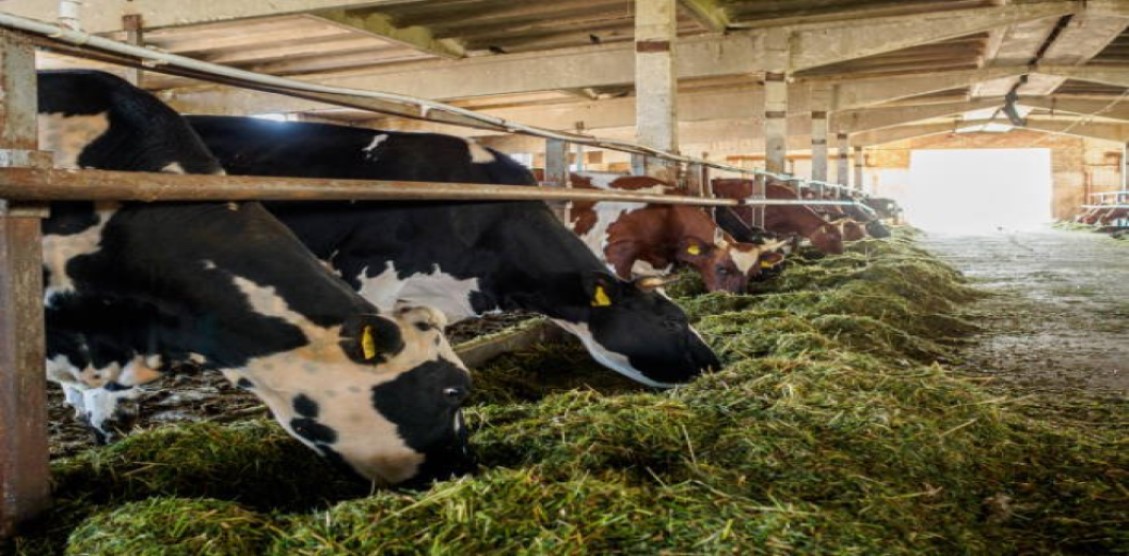
Livestock fed on silage enjoy consistent nutrition, resulting in higher milk production, faster growth rates and improved fertility. Maize silage, in particular, provides high energy levels that support peak lactation in dairy cows. Additionally, silage promotes better digestion and rumen function, leading to healthier animals. During dry seasons, when pastures dry up, farmers who have prepared silage maintain steady productivity while others struggle with feed shortages. This reliability makes silage an essential part of modern livestock management in Kenya.
Silage making is more than a preservation method; it is a strategic investment in sustainable livestock production. By learning proper techniques and understanding the science behind fermentation, farmers can produce nutritious, long-lasting feed that keeps their animals healthy and productive throughout the year. With Kenya’s growing demand for dairy and meat products, adopting silage technology ensures that farmers remain resilient, profitable and self-sufficient in the face of changing climates.

Author: Moureen Koech
Moureen Koech is a passionate Digital Journalist, an adept Agribusiness Writer with a keen eye for news and an impactful story-teller,whose stories provide key value to Agripreneurs and stakeholders in the Agricultural sector