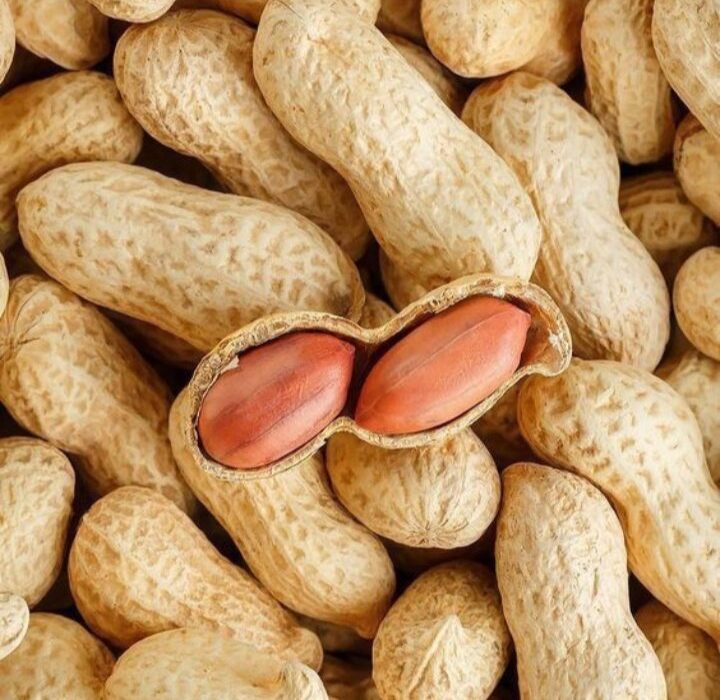
Keeping groundnuts in their shell after harvesting is one of the most effective ways to maintain their quality during storage. The shell acts as a natural protective layer that shields the kernels from harmful environmental factors. When groundnuts are stored unshelled, they remain protected from direct exposure to moisture, insects, sunlight and physical damage. This protection is crucial because groundnuts easily absorb humidity, which can lead to mold growth and spoilage. By keeping them in their shells, farmers significantly reduce the risk of contamination and ensure that the nuts stay safe for consumption.
Preventing moisture absorption and aflatoxin contamination
Moisture is one of the biggest threats to groundnut quality. Excess humidity can promote fungal growth, which leads to aflatoxin contamination,a major food safety issue in groundnut production. Aflatoxins are toxic substances that can develop when groundnuts are stored under damp conditions. Storing the nuts in their shells helps prevent moisture infiltration, lowering the likelihood of mold development. This practice not only protects consumer health but also helps farmers meet market standards and avoid losses associated with rejected produce.
Preserving Freshness, flavor and nutritional value
Groundnuts stored in their shells retain their natural freshness and flavor for a longer time. The shell acts as a cushion, protecting the kernels from cracking or breaking during handling and transportation. In addition, the shell reduces exposure to air and light, which helps preserve the nuts’ nutritional value. This results in high-quality groundnuts that maintain their taste, oil content and overall market appeal throughout the storage period. The longer the nuts remain fresh, the higher their value when it is time to sell.
Reducing pest infestation and hysical damage
Pests such as weevils often target stored grains and nuts, causing significant losses for farmers. Groundnuts stored without shells are more vulnerable to attacks because the kernels are exposed and easier for pests to penetrate. However, the shell provides a physical barrier that makes it difficult for pests to reach the kernel. This reduces infestation levels and minimizes damage during long-term storage. The protective shell also reduces breakage, ensuring more intact kernels reach the market, which boosts the product’s grade and price.
Increasing flexibility in processing and marketing
Another important advantage of keeping groundnuts in their shell is the flexibility it offers in processing. Farmers can shell the nuts only when needed, depending on market demand or personal use. This reduces unnecessary handling and lowers the chances of mechanical damage during processing. Storing unshelled groundnuts also allows farmers to wait for better market prices, improving their income. Buyers often prefer freshly shelled nuts, meaning farmers can shell small batches over time to maintain quality and meet customer needs.
Keeping groundnuts in their shell after harvesting is a simple and cost-effective practice with significant long-term benefits. By extending storage life and maintaining freshness, this practice enhances the market value of groundnuts and supports better economic returns for farmers. Ultimately, storing groundnuts unshelled is an essential step in promoting food safety, reducing post-harvest losses and ensuring the sustainability of groundnut production.

Author: Moureen Koech
Moureen Koech is a passionate Digital Journalist, an adept Agribusiness Writer with a keen eye for news and an impactful story-teller,whose stories provide key value to Agripreneurs and stakeholders in the Agricultural sector