Dairy farming is one of the most important agricultural activities in Kenya, supporting millions of households and contributing significantly to the national economy. Milk demand continues to rise due to population growth and increasing urban consumption. However, despite this strong market, many dairy farmers struggle to make consistent profits. The problem is rarely milk prices alone. In most cases, avoidable management mistakes quietly drain income and reduce productivity.
This article highlights the most common dairy farming mistakes that cost Kenyan farmers money and explains how better practices can turn losses into profits.
Poor breed selection and genetic management
One of the first costly mistakes in dairy farming is choosing the wrong breed or poorly bred animals. Many farmers buy cows based on appearance or price rather than productivity. A cow with weak genetics will consume feed but produce little milk, making it expensive to maintain.
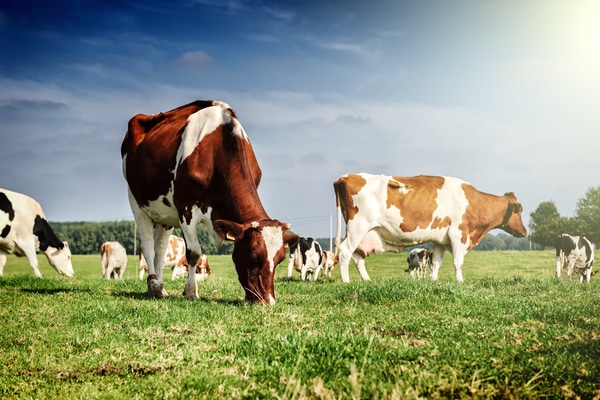
In Kenya, high-performing breeds such as Friesian, Ayrshire, Guernsey, Jersey and well-managed crossbreeds are ideal for milk production. Farmers who ignore proper breeding programs often end up with cows that are prone to disease, poor fertility and low milk yields. Artificial insemination done without proper records or expert guidance further worsens the problem, leading to inbreeding and declining productivity over time.
Inadequate feeding and poor nutrition planning
Feed is the biggest cost in dairy farming, yet many farmers get it wrong. Some underfeed their cows, hoping to reduce expenses, while others rely solely on natural pasture without supplementation. Both approaches result in low milk yields and weak animals.
High-producing dairy cows require balanced rations that include roughages, concentrates, minerals and clean water. Poor-quality silage, moldy hay, and lack of mineral supplements reduce feed efficiency. Farmers who do not plan feed availability during dry seasons often experience sharp drops in milk production, directly affecting income.
Poor housing and cow comfort
Cow housing is often ignored, but it plays a huge role in milk production. Many Kenyan farmers keep cows in poorly ventilated, muddy, and overcrowded sheds. Such conditions expose animals to stress, mastitis, foot rot and parasitic infections.
Uncomfortable cows eat less, rest poorly and produce less milk. Poor drainage and hygiene increase veterinary costs and lead to milk contamination, resulting in rejected milk at collection centers. Investing in simple, well-drained housing with proper ventilation and clean bedding pays off through healthier animals and higher milk output.
Weak disease prevention and health management
Disease-related losses are a major drain on dairy farm profits. Some farmers only seek veterinary help when animals are already sick, which increases treatment costs and raises the risk of death or permanent damage.
Common diseases such as mastitis, East Coast fever, milk fever and lumpy skin disease reduce milk production significantly. Failure to follow vaccination schedules, deworming programs, and tick control measures leads to frequent outbreaks. Poor milking hygiene also contributes to high somatic cell counts, causing penalties or milk rejection by processors.
Poor reproductive and calving management
Reproductive inefficiency quietly bleeds dairy farms financially. Cows that take too long to conceive or suffer from frequent calving problems are expensive to maintain without generating milk income.
Mistakes such as poor heat detection, delayed insemination and lack of pregnancy diagnosis increase calving intervals. Each extra day a cow stays open reduces annual milk production and raises feeding costs. Farmers who ignore dry period management often face weak calves, low milk yield after calving and higher disease risk.
Lack of proper record keeping
Many dairy farmers operate blindly, relying on memory rather than records. Without proper records, farmers cannot track milk yields, breeding dates, health treatments, feed costs or profits.
This lack of data makes it impossible to identify high-performing cows, detect production decline or plan financially. Farmers who keep accurate records make informed decisions on culling, breeding, feeding, and expansion, while those who ignore records often continue losing money without knowing why.
Post-Harvest handling and milk losses
Losses after milking are more common than many farmers realize. Poor milking hygiene, dirty containers, delayed cooling and lack of proper storage lead to spoilage and rejected milk.
Milk processors and cooperatives penalize farmers for contaminated or sour milk. In hot regions, failure to cool milk immediately can result in major losses. Simple investments such as aluminum or stainless-steel cans, clean milking practices and access to cooling centers can save farmers thousands of shillings every month.
Overexpansion without financial planning
Some farmers expand their dairy operations too quickly after experiencing short-term success. They buy more cows, build sheds, or increase feed purchases without assessing whether their cash flow can support the growth.
Overexpansion stretches labor, management and finances, resulting in neglected animals and rising debt. Sustainable expansion should be gradual and based on clear profitability, strong market access and available resources.
Dairy farming in Kenya has great profit potential, but success depends on proper management. Most losses arise not from external factors, but from avoidable mistakes . By identifying and correcting these errors, farmers can significantly reduce costs, improve milk yields and build sustainable dairy enterprises.
When dairy farming is treated as a business rather than a routine activity, it becomes a reliable source of income and long-term financial security.

Author: Moureen Koech
Moureen Koech is a passionate Digital Journalist, an adept Agribusiness Writer with a keen eye for news and an impactful story-teller,whose stories provide key value to Agripreneurs and stakeholders in the Agricultural sector