Many people use the terms agribusiness and farming interchangeably, yet they mean different things. While both are connected to agriculture, their goals, scope and approaches are not the same. Understanding the difference between agribusiness and farming helps farmers, investors, and young people make better decisions and unlock more income opportunities in the agricultural sector.
What farming really means
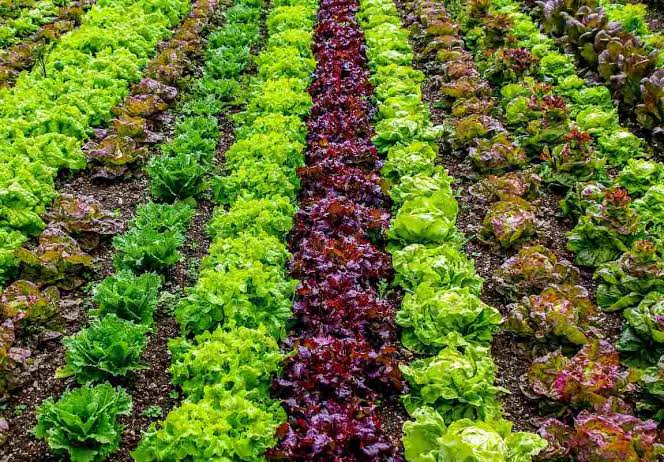
Farming mainly focuses on the production side of agriculture. It involves activities such as growing crops and rearing livestock. Farmers prepare the land, plant seeds, tend crops, feed animals and harvest or sell raw produce. In many cases, farming is practiced as a livelihood rather than a structured business. The main goal is often food production for household use, with surplus sold in local markets.
Farming can be small-scale or large-scale, but it largely ends at the point of harvest or sale of unprocessed products. Most traditional farmers depend heavily on weather patterns, seasonal prices, and middlemen, which can limit profits.
What Agribusiness involves
Agribusiness goes beyond production and treats agriculture as a full business enterprise. It includes farming but also covers input supply, value addition, processing, packaging, storage, transportation, marketing, and distribution. Agribusiness focuses on efficiency, profit, branding and market demand.
An agribusiness person may never touch the soil but still earn from agriculture by supplying seeds, operating a milling business, processing milk, packaging honey, transporting produce or exporting farm products. The goal of agribusiness is to add value, reduce losses, and increase returns.
The difference in mindset and approach
The biggest difference between agribusiness and farming lies in mindset. Farming often operates on routine and tradition, while agribusiness is driven by planning, data and market research. Agribusiness decisions are guided by customer demand, cost analysis, and long-term strategies.
An agribusiness approach asks questions like who will buy the product, at what price, and how to deliver it efficiently. Farming, on the other hand, may focus more on production first and worry about the market later.
Profit potential and income stability
Farming income is usually unpredictable due to weather changes, pests, diseases, and fluctuating market prices. Many farmers sell raw produce at low prices, especially during peak harvest seasons.
Agribusiness improves income stability by spreading risk across different stages of the value chain. Value addition, storage, and branding allow agribusiness operators to sell products at better prices and at the right time. This increases profit margins and reduces reliance on middlemen.
Skills and Knowledge Required
Farming relies more on practical skills such as planting, feeding and animal care. While these skills are important, agribusiness requires additional knowledge in finance, marketing, customer relations, logistics and record keeping.
Agribusiness operators analyze costs, manage budgets, negotiate contracts, and build market networks. These business skills are what transform agriculture from survival-based activity into a profitable enterprise.
Capital and investment differences
Farming can start with minimal capital, especially on a small scale using family land and labor. However, returns may be limited without investment in inputs or technology.
Agribusiness may require more capital depending on the chosen model, particularly in processing and distribution. However, some agribusiness ventures such as trading, aggregation, and brokerage can also start with low capital and generate faster returns.
Why the shift from farming to agribusiness matters
The future of agriculture lies in agribusiness. With growing populations, urbanization, and demand for processed and packaged food, opportunities exist beyond the farm. Youth unemployment and land scarcity make agribusiness more attractive than traditional farming.
Shifting from farming to agribusiness helps reduce post-harvest losses, creates jobs and ensures farmers earn fair value for their produce. It also attracts investors and supports sustainable agricultural growth.
Farming is an important foundation, but agribusiness is the bigger picture. Farming produces food, while agribusiness creates wealth from agriculture. Understanding the difference empowers farmers to think beyond production and explore opportunities in the wider agricultural value chain.
In today’s economy, those who treat agriculture as a business rather than just a practice are more likely to succeed and build sustainable income streams .

Author: Moureen Koech
Moureen Koech is a passionate Digital Journalist, an adept Agribusiness Writer with a keen eye for news and an impactful story-teller,whose stories provide key value to Agripreneurs and stakeholders in the Agricultural sector