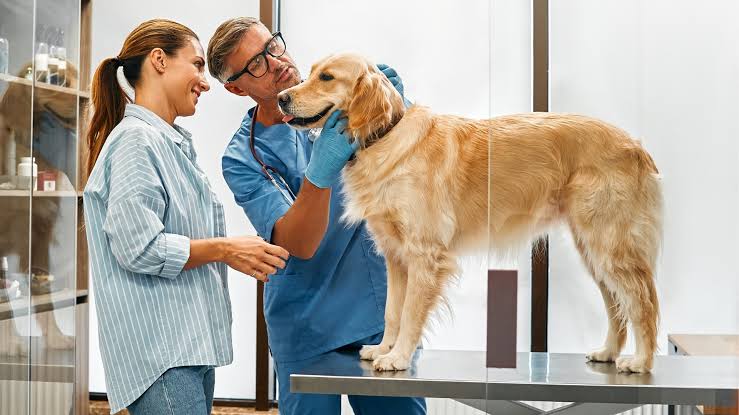
Veterinary services are a critical pillar of modern agribusiness, supporting livestock productivity, food safety and farmer livelihoods. As demand for animal products continues to rise, veterinary practice has evolved from a purely clinical profession into a profitable and scalable agribusiness opportunity. Today, veterinary services go beyond treating sick animals to include preventive care, advisory services, and value-added solutions for farmers.
Understanding veterinary services in agribusiness
Veterinary services involve the diagnosis, treatment, and prevention of diseases in livestock and poultry. In an agribusiness context, these services are delivered commercially to improve animal health and farm profitability. Veterinarians and animal health practitioners operate clinics, mobile services or integrated livestock health businesses that serve smallholder and commercial farmers alike.
These services play a key role in ensuring healthy animals, improved productivity, and compliance with food safety and animal welfare standards. As livestock farming intensifies, the need for professional veterinary support continues to grow.
Key veterinary services offered as a business
Veterinary services as an agribusiness cover a wide range of activities. Clinical services such as disease diagnosis, treatment, and surgery form the foundation of the business. Preventive services, including vaccination, deworming and parasite control, are increasingly in demand because they reduce production losses and treatment costs.
Other profitable services include artificial insemination, pregnancy diagnosis, nutritional advisory services, and herd health management. Veterinarians also offer biosecurity planning, laboratory testing, and post-mortem services. In poultry and dairy enterprises, regular veterinary consultation is essential for maintaining high productivity and minimizing disease outbreaks.
Why veterinary services are a profitable agribusiness
Veterinary services are a high-value agribusiness because livestock farmers depend on them for consistent production. Unlike seasonal crop farming, animal health services are required throughout the year, providing steady income. The rising demand for meat, milk, eggs and animal by-products has increased investment in livestock farming, which in turn drives demand for veterinary expertise.
Additionally, governments and development organizations promote animal health programs, creating opportunities for partnerships and contract services. Veterinary services also build long-term relationships with farmers, leading to repeat business and stable cash flow.
Target market for veterinary agribusiness
The primary market for veterinary services includes smallholder farmers, commercial livestock producers, poultry farms, dairy farms and pastoral communities. Agribusiness companies such as feed manufacturers, breeding companies, and cooperatives also require veterinary support.
Urban and peri-urban livestock keepers represent a fast-growing market, especially for poultry, dairy goats, and pig farming. Export-oriented farms and processors demand strict animal health compliance, further expanding the market for professional veterinary services.
Setting up veterinary services as an agribusiness
Starting a veterinary agribusiness requires proper training, licensing, and compliance with regulatory authorities. Qualified veterinarians and animal health professionals must register with relevant professional bodies before offering services. Initial investment includes clinic setup, diagnostic equipment, drugs, transport and cold storage for vaccines.
Many entrepreneurs adopt mobile veterinary services, which reduce overhead costs and allow practitioners to reach farmers in remote areas. Digital tools such as farm management apps, tele-veterinary consultations, and online booking systems are also enhancing service delivery and efficiency.
Challenges facing veterinary agribusiness
Despite its potential, veterinary services face several challenges. High costs of drugs and equipment can limit profitability, especially when serving small-scale farmers with limited purchasing power. Disease outbreaks may overwhelm service providers, while poor infrastructure in rural areas can affect accessibility.
Unregulated practice by unqualified personnel also undermines professional veterinary services. However, these challenges present opportunities for innovation, partnerships, and policy support to strengthen the sector.
Future opportunities in veterinary agribusiness
The future of veterinary services as an agribusiness is promising. Growing awareness of animal welfare, food safety, and zoonotic diseases is driving demand for professional animal health services. Opportunities exist in specialized services such as poultry health management, dairy herd optimization, aquaculture health and pet veterinary services.
Integration of technology, data-driven health monitoring and value-added advisory services will further enhance profitability. As agribusiness continues to modernize, veterinary services will remain a vital and rewarding enterprise.
Veterinary services are more than a support function; they are a viable and essential agribusiness. By improving animal health, increasing productivity, and safeguarding food systems, veterinary enterprises contribute significantly to agricultural development.

Author: Moureen Koech
Moureen Koech is a passionate Digital Journalist, an adept Agribusiness Writer with a keen eye for news and an impactful story-teller,whose stories provide key value to Agripreneurs and stakeholders in the Agricultural sector