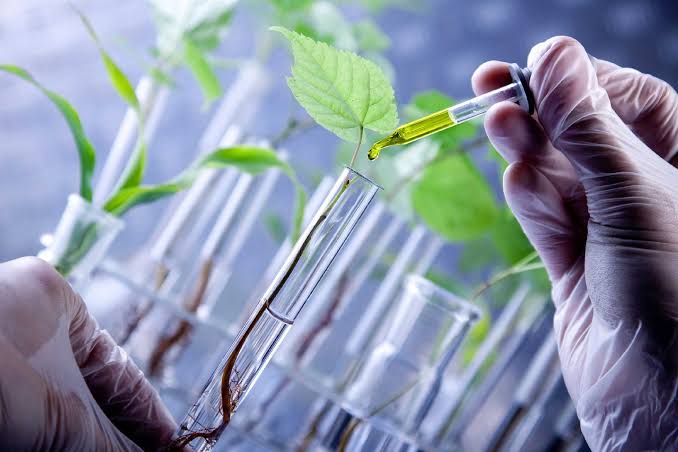
Biotechnology is increasingly shaping the future of agribusiness in Africa. With challenges such as climate change, food insecurity, low farm productivity and frequent pest and disease outbreaks, biotechnology offers practical solutions tailored to African agricultural systems. From improved crop varieties to better livestock health, biotechnology is helping farmers, agribusinesses and governments strengthen food production and rural economies across the continent.
Understanding biotechnology in the African context
Biotechnology in agribusiness refers to the application of biological science and technology to improve crops, livestock, and agricultural processes. In Africa, biotechnology is not limited to advanced genetic engineering; it also includes tissue culture, improved breeding techniques, bio-fertilizers, vaccines and diagnostic tools.
These technologies are particularly important in Africa, where agriculture employs a large percentage of the population and is dominated by smallholder farmers. Biotechnology supports higher yields, improved resilience and better-quality agricultural products, making agribusiness more competitive and sustainable.
Biotechnology in crop production in Africa
Crop biotechnology has played a significant role in addressing Africa’s food production challenges. Techniques such as tissue culture have enabled the mass production of disease-free planting materials for crops like bananas, cassava, potatoes and sweet potatoes. This has helped farmers overcome devastating diseases such as banana bacterial wilt and cassava mosaic disease.
Biotechnology also supports the development of drought-tolerant, pest-resistant, and early-maturing crop varieties. These improved seeds are crucial in regions affected by erratic rainfall, prolonged droughts and climate variability. For agribusinesses involved in seed production and supply, biotechnology ensures consistent quality and reliable yields for farmers.
Role of biotechnology in livestock agribusiness
Livestock farming is a major agribusiness activity in Africa, especially in pastoral and agro-pastoral communities. Biotechnology improves livestock productivity through artificial insemination, improved breeding programs and disease diagnostics. These technologies help farmers access better breeds with higher milk, meat and egg production.
Vaccines and veterinary biotechnologies play a critical role in controlling livestock diseases such as foot-and-mouth disease, Newcastle disease and tick-borne diseases. Feed biotechnology, including probiotics and enzyme supplements, improves feed efficiency and reduces production costs, benefiting both small-scale and commercial livestock farmers.
Biotechnology in Agro-Processing and Value Addition
Biotechnology supports agro-processing and value addition, which are key to increasing incomes and reducing post-harvest losses in Africa. Fermentation technologies are widely used in dairy processing, baking, brewing, and traditional food products. Enzymes improve processing efficiency, product quality and shelf life.
Biotechnology-based quality control tools help agribusinesses meet food safety standards required for local and export markets. This is particularly important for African agribusinesses targeting regional and international trade opportunities.
Benefits of biotechnology to African agribusiness
Biotechnology offers numerous benefits to agribusiness in Africa. It increases productivity by improving crop and livestock performance, reduces losses caused by pests and diseases, and lowers reliance on expensive chemical inputs. These benefits translate into higher incomes for farmers and stronger agribusiness value chains.
Biotechnology also supports sustainable agriculture by promoting efficient use of land, water, and inputs. By enhancing resilience to climate change, biotechnology contributes to food security and economic stability across African countries.
Challenges facing biotechnology adoption
Despite its potential, biotechnology adoption in Africa faces several challenges. Limited access to finance, weak infrastructure and inadequate technical capacity hinder widespread use. Regulatory frameworks for biotechnology, especially genetically modified crops, vary across countries and can slow adoption.
Public perception and lack of awareness also affect acceptance of biotechnology. Addressing these challenges requires investment in research, extension services, education, and strong partnerships between governments, research institutions and the private sector.
Future prospects of biotechnology in African agribusiness
The future of biotechnology in African agribusiness is promising. Advances in gene editing, climate-smart breeding, and digital agriculture are opening new opportunities for sustainable food production. Biotechnology will play a key role in improving nutrition, reducing hunger and creating agribusiness jobs for Africa’s growing youth population.
With supportive policies and responsible innovation, biotechnology can transform African agribusiness into a more productive, competitive and resilient sector.
Biotechnology is a powerful tool for transforming agribusiness in Africa. As Africa continues to invest in science, innovation and agribusiness, biotechnology will remain central to achieving food security and sustainable growth.

Author: Moureen Koech
Moureen Koech is a passionate Digital Journalist, an adept Agribusiness Writer with a keen eye for news and an impactful story-teller,whose stories provide key value to Agripreneurs and stakeholders in the Agricultural sector