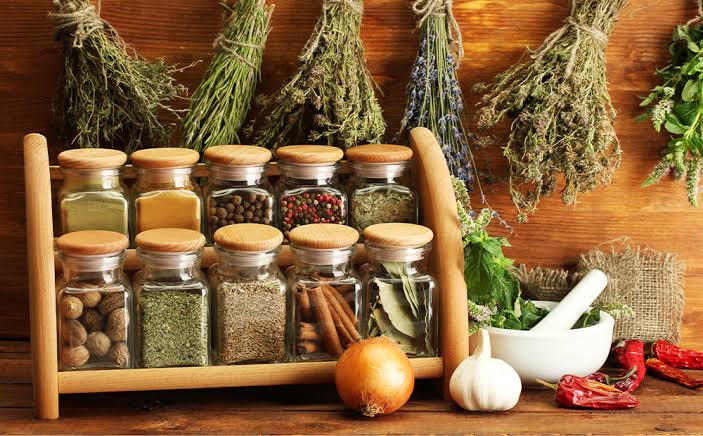
Medicinal and herbal crop agribusiness is emerging as one of the most promising agricultural ventures in today’s health-conscious world. With rising interest in natural remedies, traditional medicine and plant-based products, medicinal crops are gaining strong demand in both local and international markets. This agribusiness combines agriculture, health, and value addition, offering farmers and entrepreneurs an opportunity to generate income while promoting wellness and sustainability.
Understanding medicinal and herbal crop agribusiness
Medicinal and herbal crop agribusiness involves the cultivation, processing, and commercialization of plants used for therapeutic, nutritional and cosmetic purposes. These crops contain bioactive compounds that are used in herbal medicine, pharmaceuticals, cosmetics, and wellness products.
Unlike food crops, medicinal plants are valued more for quality than quantity. Factors such as purity, proper harvesting, drying methods and storage significantly affect their market value. This makes medicinal and herbal crop agribusiness a knowledge-driven and high-value enterprise.
Popular medicinal and herbal crops
Many medicinal and herbal crops are suitable for commercial farming. Commonly grown crops include aloe vera, moringa, ginger, turmeric, garlic, neem, hibiscus, lemongrass, chamomile, basil and mint. Indigenous African medicinal plants such as Artemisia, African nightshade and devil’s claw are also gaining global recognition.
These crops are used in the production of herbal teas, oils, powders, capsules, skincare products and supplements. Their wide application makes them attractive to agribusiness investors seeking diversification.
Why medicinal and herbal crops are profitable
Medicinal and herbal crops offer high profit potential due to increasing global demand for natural health products. Consumers are shifting away from synthetic drugs toward herbal and organic alternatives, creating steady market growth.
Most medicinal crops can be grown on small land sizes and require relatively low inputs compared to conventional crops. When combined with value addition such as drying, grinding, or oil extraction, profit margins increase significantly. This makes medicinal crop agribusiness ideal for smallholder farmers and youth entrepreneurs.
Cultivation practices for medicinal crops
Successful medicinal crop farming starts with selecting crops suited to local climate and soil conditions. Most herbal plants thrive in well-drained soils and require moderate water and minimal chemical inputs, making them suitable for organic production.
Good agricultural practices such as proper spacing, timely weeding, and integrated pest management are essential. Harvesting must be done at the correct growth stage to ensure high concentration of active compounds. Clean harvesting and hygienic handling preserve quality and market value.
Value addition and processing opportunities
Value addition is the backbone of medicinal and herbal crop agribusiness. Instead of selling raw leaves or roots, farmers can process crops into dried products, powders, oils, extracts or packaged herbal remedies.
Processing activities include solar drying, grinding, oil distillation, and blending. Proper packaging improves shelf life and allows products to meet quality standards. Value addition not only reduces post-harvest losses but also opens access to premium markets and higher prices.
Market opportunities and distribution channels
Medicinal and herbal crops have diverse markets. Buyers include herbal medicine manufacturers, pharmaceutical companies, cosmetic producers, wellness centers and health shops. Local markets, pharmacies and online platforms also offer strong demand.
Export markets provide higher returns but require strict compliance with quality, safety, and certification standards. Organic certification and traceability improve market access and competitiveness in international trade.
Challenges in medicinal and herbal crop agribusiness
Despite its potential, medicinal and herbal crop agribusiness faces challenges such as limited technical knowledge, inconsistent quality and lack of standardized production methods. Regulatory requirements for herbal products can also be complex and costly.
Market exploitation by middlemen and fluctuating prices affect small-scale producers. Addressing these challenges requires farmer training, cooperative marketing and strong linkages with buyers and processors.
Role of research, policy and sustainability
Research institutions play a critical role in improving medicinal plant varieties, cultivation techniques, and processing technologies. Government support through extension services, training and favorable policies strengthens the herbal agribusiness sector.
Sustainable cultivation practices are essential to protect biodiversity and ensure long-term supply. Growing medicinal plants commercially reduces pressure on wild plant populations and supports environmental conservation.
Future prospects of medicinal and herbal crop agribusiness
The future of medicinal and herbal crop agribusiness is highly promising. Rising awareness of preventive healthcare, herbal medicine and plant-based lifestyles continues to drive demand. Innovations in processing, branding, and e-commerce are expanding market reach.
Entrepreneurs who focus on quality, certification, value addition, and branding will benefit most from this expanding sector. Medicinal crops offer both economic and social benefits, making them ideal for sustainable agribusiness development.
Medicinal and herbal crop agribusiness is a high-potential agricultural enterprise that combines health, sustainability, and profitability. By cultivating and processing medicinal plants, farmers can diversify income, reduce risks and meet growing market demand. With proper knowledge, quality control and market orientation, medicinal and herbal crops can deliver long-term income and contribute to healthier communities.

Author: Moureen Koech
Moureen Koech is a passionate Digital Journalist, an adept Agribusiness Writer with a keen eye for news and an impactful story-teller,whose stories provide key value to Agripreneurs and stakeholders in the Agricultural sector