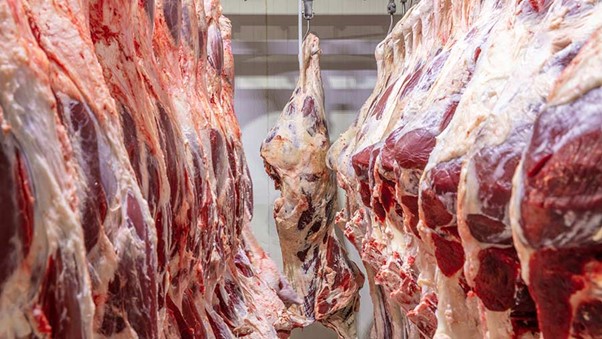
The meat processing and packaging business is more than just cutting and selling meat, it is a high-value agribusiness that transforms livestock into safe, attractive and long-lasting food products. As consumers become more health-conscious and demand convenience, properly processed and packaged meat is rapidly replacing informal slaughter and open-market sales.
For agribusiness entrepreneurs, this sector offers a powerful opportunity to add value, reduce losses and build a sustainable business.
Why meat processing and packaging matters in agribusiness
Meat is highly perishable. Without proper handling, a large percentage of meat is lost through spoilage, contamination or poor storage. Meat processing and packaging solve this problem by preserving quality, improving hygiene and extending shelf life.
Beyond food safety, processing adds economic value. A live animal sold at the farm gate earns far less than the same animal processed into packaged cuts, sausages, or smoked meat. This makes meat processing a critical link between livestock farmers, retailers and consumers.
Understanding the meat processing and packaging value chain
The meat processing value chain begins with sourcing healthy livestock from trusted farmers or suppliers. Animals are slaughtered in approved facilities following animal welfare and hygiene standards. After slaughter, carcasses are inspected, cleaned and chilled to slow bacterial growth.
The next stage involves cutting, deboning and portioning meat according to market needs. Packaging then protects the meat and prepares it for distribution to supermarkets, butcheries, hotels, restaurants and export markets. Each stage adds value and increases profitability.
Popular meat products in the market
Meat processing businesses can produce a wide range of products depending on demand and capacity. These include fresh cuts such as steaks, ribs, and fillets; minced meat; sausages; smoked meat; bacon and ready-to-cook products.
Value-added products are especially profitable because they have longer shelf life and higher market prices. Ready-to-cook and ready-to-eat meat products also appeal to busy urban consumers who prefer convenience without compromising quality.
The role of packaging in meat quality and branding
Packaging is not just about wrapping meat,it is about protection, preservation and presentation. Good packaging prevents contamination, reduces moisture loss and extends shelf life. Technologies such as vacuum packaging and modified atmosphere packaging help keep meat fresh for longer periods.
At the same time, packaging serves as a marketing tool. Attractive, well-labeled packages build consumer trust and brand recognition. Information such as product name, weight, expiry date and storage instructions reassures customers and encourages repeat purchases.
Equipment and infrastructure needed to start
Starting a meat processing and packaging business requires proper infrastructure. Key requirements include access to a licensed slaughter facility, cold rooms, cutting tables, knives, mincers, smokers and packaging machines.
Cold storage is especially critical because meat must be kept at controlled temperatures from processing to delivery. Entrepreneurs can start small with basic equipment and expand gradually as demand grows. Many successful processors began with a single product line before diversifying.
Food safety and legal requirements
Meat processing is one of the most regulated agribusinesses due to public health risks. Operators must meet strict hygiene, inspection, and licensing standards set by authorities. Workers must follow sanitation procedures, wear protective clothing and maintain clean processing environments.
Food safety systems such as Hazard Analysis and Critical Control Points (HACCP) help identify risks and ensure consistent quality. Compliance not only protects consumers but also opens doors to supermarkets and export markets.
Profitability and value addition opportunities
Profit in meat processing comes from value addition and smart utilization of resources. Processing meat into sausages, smoked products or portioned cuts significantly increases income compared to selling raw carcasses.
By-products such as bones, fat, and offal can be used to make pet food, animal feed, or processed products, reducing waste and increasing revenue. Branding, quality consistency and reliable supply further strengthen profitability.
Challenges and how to overcome them
The meat processing and packaging business faces challenges such as high startup costs, energy requirements, cold chain management and fluctuating livestock prices. Maintaining consistent quality and meeting regulatory standards also requires discipline and training.
However, these challenges can be managed through proper planning, gradual investment, staff training and strong supplier relationships. Partnerships with farmers, cooperatives, and distributors help stabilize supply and reduce operational risks.
Future outlook of the meat processing and packaging business
The future of the meat processing and packaging business is bright. Urbanization, rising incomes, and changing consumer habits are driving demand for safe, convenient, and value-added meat products. Innovations in packaging, cold storage and logistics are making the industry more efficient and competitive.
Entrepreneurs who focus on quality, food safety, branding and customer trust will be well positioned to succeed in this growing agribusiness sector.
The meat processing and packaging business is a powerful agribusiness opportunity that turns livestock into high-value products. With the right skills, compliance and market focus, this business offers long-term growth and sustainability.

Author: Moureen Koech
Moureen Koech is a passionate Digital Journalist, an adept Agribusiness Writer with a keen eye for news and an impactful story-teller,whose stories provide key value to Agripreneurs and stakeholders in the Agricultural sector