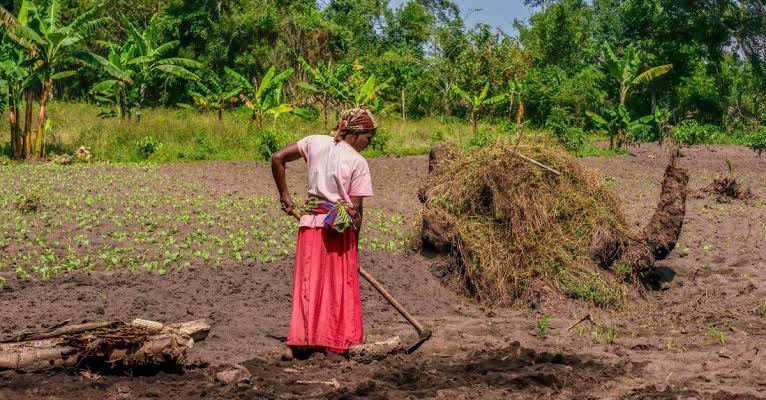
Gender policies in agribusiness are frameworks, laws and strategies designed to promote equal participation, access and benefits for women and men across the agricultural value chain.
In many African countries, women play a central role in food production, processing, and marketing, yet they often face systemic barriers that limit their productivity and income.
Effective gender policies are not just about social justice, they are essential for improving agricultural productivity, food security and economic growth. This article explores the importance of gender policies in agribusiness, key policy areas, challenges and opportunities for inclusive development.
Why gender policies matter in agribusiness
Women contribute a significant share of agricultural labor in Africa, particularly in smallholder farming, post-harvest handling, and informal markets. Despite this, women often have limited access to land, finance, training, technology and markets.
Gender-responsive agribusiness policies aim to address these inequalities by creating an enabling environment where both women and men can participate fully and benefit fairly. Studies consistently show that closing the gender gap in agriculture leads to higher productivity, increased household incomes and improved nutrition outcomes.
Examples of policies in agribusiness
Land and property rights policies
Access to land is one of the most critical issues affecting women in agribusiness. In many regions, customary land tenure systems restrict women’s ownership and control over land, even though they provide most of the labor.
Gender policies in land administration promote joint land titling, legal recognition of women’s land rights, and protection against discriminatory inheritance practices. Secure land rights enable women to invest in farming, adopt new technologies and use land as collateral for financing.
Access to finance and credit policies
Limited access to finance remains a major barrier for women agripreneurs. Traditional banking systems often require collateral and formal documentation, which many women lack.
Gender-responsive financial policies encourage the development of tailored financial products such as group lending, mobile-based credit, guarantee schemes, and lower collateral requirements. Supporting women’s access to savings, insurance and investment capital strengthens agribusiness value chains and boosts resilience.
Education, training and extension services
Agricultural training and extension services are essential for improving productivity and business performance. However, women often face time constraints, cultural barriers and limited access to information.
Gender policies promote inclusive extension services by recruiting more female extension officers, designing flexible training schedules and using digital platforms to reach women farmers and entrepreneurs. Skills development in agribusiness management, processing, and marketing empowers women to move beyond subsistence farming.
Market access and value chain inclusion
Women are frequently concentrated in low-value segments of agribusiness value chains, such as informal trading and small-scale processing. Gender policies aim to improve women’s participation in higher-value activities, including agro-processing, export markets, and agribusiness leadership.
This includes supporting women-owned enterprises, promoting fair contract farming arrangements and encouraging public and private buyers to source from women producers. Market inclusion enhances income stability and business growth.
Labor and employment policies
Agribusiness provides employment opportunities across production, processing, and distribution. However, women workers often face wage gaps, insecure employment and unsafe working conditions.
Gender-sensitive labor policies promote equal pay for equal work, decent working conditions, maternity protection, and safe workplaces. These policies are particularly important in large-scale farms, agro-processing plants, and export-oriented enterprises.
Technology and innovation policies
Access to technology is transforming agribusiness, but women often lag behind in adopting new tools due to cost, skills gaps, and social norms.
Gender-responsive innovation policies support women’s access to labor-saving technologies, digital platforms, mechanization and climate-smart solutions. Ensuring women’s participation in agritech design and decision-making increases adoption and impact.
Institutional and leadership policies
Women are underrepresented in agribusiness leadership, cooperatives, and decision-making bodies. Gender policies promote women’s leadership through quotas, capacity building, mentorship and inclusive governance structures.
Strengthening women’s voices in cooperatives, producer organizations, and policy forums leads to more inclusive and effective agribusiness systems.
Challenges in implementing gender policies
Despite strong policy commitments, implementation remains a challenge. Common issues include weak enforcement, limited funding, cultural resistance and lack of gender-disaggregated data.
Bridging the gap between policy and practice requires collaboration among governments, private sector players, civil society and development partners. Monitoring and accountability mechanisms are critical for measuring progress and impact.
The role of the private sector and NGOs
Private agribusinesses and NGOs play a vital role in advancing gender inclusion. Gender-smart business practices, inclusive sourcing, workplace equality, and targeted support programs can complement government policies.
Partnerships between the public and private sectors help scale gender-responsive interventions and drive sustainable change.
Gender policies in agribusiness are essential for building inclusive, resilient and productive agricultural systems.
For Africa to achieve food security, economic growth and sustainable development, gender equality must be placed at the center of agribusiness policies and practices.

Author: Moureen Koech
Moureen Koech is a passionate Digital Journalist, an adept Agribusiness Writer with a keen eye for news and an impactful story-teller,whose stories provide key value to Agripreneurs and stakeholders in the Agricultural sector