


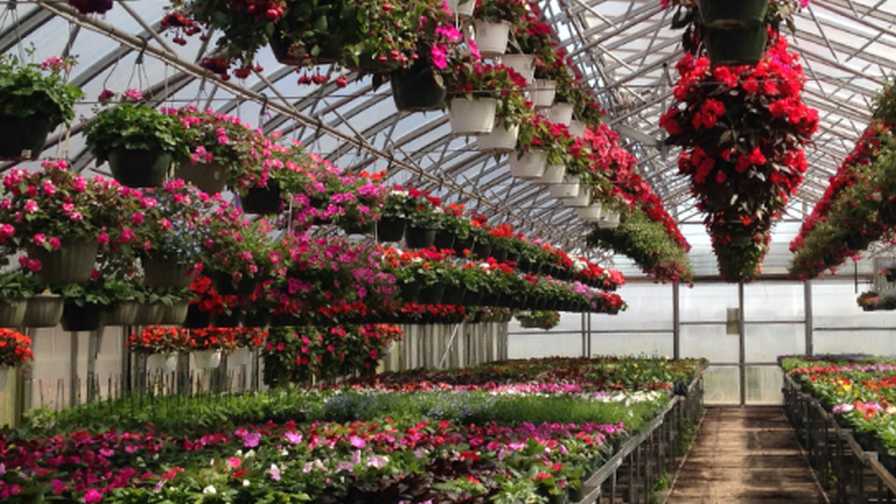
Floriculture agribusiness involves the commercial cultivation, processing and marketing of flowers and ornamental plants for local and international markets. Unlike traditional food crop farming, floriculture focuses on high-value products such as cut flowers, potted plants, foliage and landscaping plants. In many developing economies, floriculture has emerged as a lucrative agribusiness due to growing demand in urban markets and global trade.
With rising incomes, urbanization and increased use of flowers in events, hospitality and home décor, floriculture has become a dynamic and fast-growing segment of agribusiness.
Floriculture as an Agribusiness
Floriculture goes beyond flower production. It includes nursery management, greenhouse production, post-harvest handling, packaging, logistics and marketing. As an agribusiness, it requires careful planning, quality control, and market orientation to remain profitable.
The sector combines agriculture with aesthetics, innovation and precision. Producers must understand plant physiology, climate requirements, pest management, and market trends. Because flowers are highly perishable, efficient handling and timely delivery are critical for success.
Floriculture enterprises can range from small-scale nurseries supplying local markets to large export-oriented farms producing flowers for international buyers.
Key types of floriculture products
Floriculture agribusiness produces a wide variety of products that serve different market segments. Cut flowers such as roses, carnations, lilies and chrysanthemums dominate commercial production due to their high demand and export value. Potted plants, including ornamental foliage and flowering plants, are popular in urban homes, offices and institutions.
Other products include bedding plants, landscaping plants, and decorative foliage used in interior design and landscaping projects. Some floriculture businesses also specialize in flower seeds, bulbs and seedlings, supplying both farmers and hobbyists.
Common floriculture products include:
- Cut flowers for events, hotels and exports
- Potted ornamental and indoor plants
- Landscaping and garden plants
- Decorative foliage and nursery seedlings
Production systems in floriculture
Floriculture production systems vary depending on scale, climate, and target markets. Open-field production is common for hardy ornamental plants and landscaping species, while greenhouse production is widely used for high-value cut flowers.
Greenhouse floriculture allows better control of temperature, humidity, light, and pests, leading to higher quality and year-round production. However, it requires higher initial investment and technical skills.
Modern floriculture increasingly uses drip irrigation, fertigation, integrated pest management and climate-smart practices to improve efficiency and sustainability.
Market opportunities in floriculture agribusiness
The floriculture market is driven by demand from events, hospitality, corporate institutions and retail consumers. Flowers are used in weddings, funerals, celebrations, hotels, restaurants, offices and religious institutions. Urban landscaping and real estate development have also expanded the demand for ornamental plants.
Export markets offer significant opportunities for floriculture agribusiness, particularly for high-quality cut flowers. International buyers demand consistency, quality standards and reliable supply chains. Meeting these requirements allows producers to earn premium prices.
Floriculture also benefits from value addition through bouquet making, floral arrangements and branding, which increases profit margins and market reach.
Economic and employment benefits
Floriculture agribusiness is labor-intensive and creates significant employment opportunities, especially for women and youth. Activities such as planting, harvesting, grading, packaging and flower arrangement require skilled and semi-skilled labor.
The sector contributes to rural development by generating income, improving livelihoods, and supporting ancillary industries such as transport, packaging, cold storage, and retail. Its high value per unit area makes it suitable for farmers with limited land.
Despite its potential, floriculture agribusiness faces several challenges. High initial investment, especially for greenhouses and irrigation systems, can be a barrier for small-scale entrepreneurs. Flowers are highly perishable, making post-harvest handling and cold chain management critical.
Other challenges include pest and disease pressure, fluctuating market prices, high input costs and strict quality standards in export markets. Climate variability also poses risks to consistent production.
Addressing these challenges requires access to finance, technical training, reliable markets and supportive policies.
Sustainability and the future of floriculture
Sustainability is becoming increasingly important in floriculture agribusiness. Consumers and buyers are demanding environmentally responsible production practices, including reduced chemical use, efficient water management, and fair labor practices.
Adoption of eco-friendly technologies such as solar energy, biological pest control and recyclable packaging is shaping the future of the sector. Digital tools for market access, farm management and logistics are also transforming floriculture operations.
Floriculture agribusiness offers a high-value and profitable opportunity for modern agricultural entrepreneurs. With proper planning, quality management and market orientation, floriculture can generate strong returns while creating employment and supporting economic growth. As demand for flowers and ornamental plants continues to rise, floriculture stands out as a vibrant and promising agribusiness sector with immense potential for both local and global markets.

Author: Moureen Koech
Moureen Koech is a passionate Digital Journalist, an adept Agribusiness Writer with a keen eye for news and an impactful story-teller,whose stories provide key value to Agripreneurs and stakeholders in the Agricultural sector


