




Turkey farming | Tips&Tricks for success
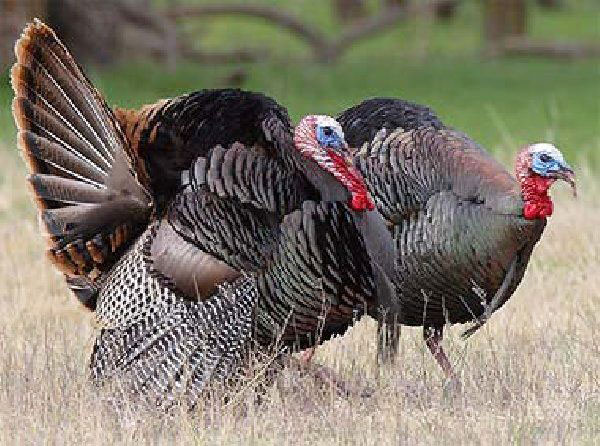
Turkey farming is an emerging agribusiness opportunity with increasing demand in both local and international markets. While chicken farming dominates the poultry sector, turkey production remains less saturated, offering higher profit margins for farmers willing to invest in proper management.
Turkey meat is lean, rich in protein and considered healthier than many red meats. As consumers become more health-conscious, demand for turkey meat continues to grow in hotels, supermarkets, restaurants and during festive seasons. For entrepreneurs looking to diversify within poultry farming, turkey farming presents a strategic and scalable agribusiness opportunity.
Why Turkey farming is profitable
Turkey farming can be more profitable than chicken farming due to several factors. Turkeys grow larger than chickens, meaning more meat per bird. Mature turkeys can weigh between 7 to 15 kilograms depending on the breed and management practices.
Unlike broiler chickens that mature in 6–8 weeks, turkeys take about 16–24 weeks to reach market weight. Although the production cycle is longer, the selling price per bird is significantly higher.
Turkey farming benefits include:
- High market price per bird
- Lower competition compared to chicken farming
- Growing demand in urban markets
- Suitable for small and medium-scale production
With proper feeding and disease control, turkey farming can deliver strong returns on investment.
Types of Turkeys for farming
There are two main types of turkeys raised commercially:
Broad Breasted White
This is the most common commercial breed. It grows fast, produces large quantities of meat, and is widely preferred for intensive production systems.
Heritage Breeds
These are traditional breeds that grow slower but are hardy and suitable for free-range systems. They are often preferred in organic and specialty markets.
Farmers should choose breeds based on market demand, climate conditions, and production goals.
Housing and management requirements
Turkeys require well-ventilated housing with adequate space. Overcrowding can lead to stress, disease spread, and poor growth.
Key housing considerations include:
- Dry and clean litter
- Proper ventilation
- Protection from predators
- Adequate lighting
Young turkeys, known as poults, are sensitive and require extra care during the first 6–8 weeks. Brooding temperature must be well regulated to ensure survival and healthy growth.
Turkeys are more sensitive than chickens, especially during their early stages. Therefore, careful management is essential.
Feeding and Nutrition
Feeding is one of the most critical aspects of turkey farming. Turkeys require high-protein diets, especially during their early growth phase.
Their feeding stages include:
- Starter feed (high protein for poults)
- Grower feed
- Finisher feed
Clean drinking water must always be available. Poor nutrition leads to slow growth and reduced profitability.
Farmers may either buy commercial turkey feed or formulate their own feed with guidance from animal nutrition experts.
Disease management
Turkeys are susceptible to certain diseases, including:
- Newcastle disease
- Fowl pox
- Coccidiosis
- Blackhead disease
Vaccination programs and strict biosecurity measures are necessary to prevent outbreaks. Maintaining clean housing and limiting visitor access reduces disease risk.
Regular consultation with a veterinary professional ensures early diagnosis and treatment.
Market opportunities for turkey meat
Turkey meat demand peaks during festive seasons, holidays, and special events. However, demand is increasingly becoming year-round in urban markets.
Potential buyers include:
- Supermarkets
- Hotels and restaurants
- Catering companies
- Individual households
- Meat processing companies
In some regions, turkey eggs also have niche market demand.
Value addition opportunities include:
- Smoked turkey
- Processed turkey sausages
- Turkey cuts (breast, wings, thighs)
- Packaged frozen turkey
Processing increases shelf life and improves profit margins.
Cost and investment considerations
Starting a turkey farming business requires initial capital for:
- Poults (young turkeys)
- Housing construction
- Feed
- Vaccination and medication
- Equipment (feeders, drinkers, brooding equipment)
While feed costs represent the largest expense, proper feed management ensures efficient growth and profitability.
Compared to large-scale livestock farming, turkey farming requires moderate capital and land, making it suitable for agripreneurs entering poultry production.
Advantages of Turkey farming
Turkey farming offers several benefits:
- High meat yield per bird
- Strong profit margins
- Less market saturation
- Opportunity for festive premium pricing
- Suitable for integration with other poultry systems
Additionally, turkey manure can be used as organic fertilizer, supporting integrated farming systems.
Despite its profitability, turkey farming comes with challenges. Turkeys are more sensitive than chickens, especially at a young age. Mortality rates can be high if brooding conditions are poorly managed.
Feed costs may fluctuate, affecting overall profitability. Market access can also be limited in rural areas where consumers are less familiar with turkey meat.
However, with proper training, planning, and market research, these challenges can be managed effectively.
Turkey farming is a promising agribusiness venture for farmers seeking higher returns and diversification within poultry production. While it requires careful management and a longer growth period than broiler chickens, the higher market price and increasing demand make it a viable investment.
For agripreneurs ready to explore beyond traditional poultry systems, turkey farming offers a rewarding pathway into high-value livestock production.

Author: Moureen Koech
Moureen Koech is a passionate Digital Journalist, an adept Agribusiness Writer with a keen eye for news and an impactful story-teller,whose stories provide key value to Agripreneurs and stakeholders in the Agricultural sector


