

Agribusiness trends shaping Africa’s Food Systems
Africa’s food systems are undergoing a major transformation. Rapid population growth, climate change, urbanization and technological advancement are redefining how food is produced, processed, distributed and consumed across the continent.
Agribusiness is no longer limited to subsistence farming; it has evolved into a dynamic sector that plays a critical role in economic growth, job creation, and food security. Several key agribusiness trends are shaping Africa’s food systems and determining the future of agriculture on the continent.
Digital technology and smart farming
One of the most significant trends in African agribusiness is the adoption of digital technology. Mobile phones, farm management apps, and digital marketplaces are changing how farmers access information and sell their produce. Through mobile platforms, farmers can now receive weather forecasts, market prices, pest control advice and financial services in real time.
Precision agriculture tools such as drones, satellite imagery, and soil sensors are also gaining traction, especially among commercial farmers. These technologies help farmers monitor crop health, optimize input use, and increase productivity while reducing costs. As internet penetration improves across Africa, smart farming is expected to become more accessible to smallholder farmers as well.
Value addition and agro-processing
Africa is shifting away from exporting raw agricultural products toward value addition and agro-processing. Countries are investing in food processing industries to increase shelf life, reduce post-harvest losses, and create employment opportunities. Turning raw maize into flour, milk into cheese or yogurt and fruits into juices adds value and increases farmers’ income.
Agro-processing also supports food security by ensuring stable food supplies throughout the year. Governments and private investors are increasingly supporting small and medium enterprises involved in processing, packaging and branding of agricultural products. This trend is strengthening local food systems and reducing reliance on food imports.
Climate-Smart and sustainable agriculture
Climate change is forcing Africa’s agribusiness sector to rethink traditional farming methods. Erratic rainfall, prolonged droughts, floods, and rising temperatures are affecting crop yields and livestock production. As a result, climate-smart agriculture is becoming a priority.
Farmers are adopting drought-resistant crop varieties, improved irrigation systems, conservation agriculture and agroforestry practices. Sustainable farming methods not only protect the environment but also enhance productivity and resilience. There is also growing interest in organic farming and environmentally friendly inputs as consumers become more conscious of food safety and sustainability.
Youth and women participation in agribusiness
Another major trend shaping Africa’s food systems is the increased participation of youth and women in agribusiness. With limited formal employment opportunities, many young Africans are turning to agribusiness as a viable career path. They are embracing innovation, agritech startups, and modern farming techniques.
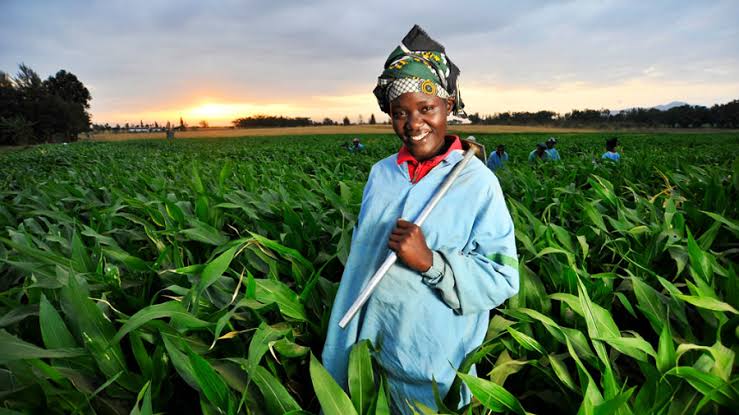
Women, who make up a large portion of Africa’s agricultural workforce, are increasingly being recognized as key players in agribusiness value chains. Access to training, finance and markets is empowering women entrepreneurs to move beyond subsistence farming into profitable agribusiness ventures. Inclusive policies and gender-sensitive financing are further accelerating this trend.
Expansion of agricultural financing and investment
Access to finance has long been a challenge in African agribusiness, but this is gradually changing. Financial institutions, development partners, and private investors are showing increased interest in agriculture. Innovative financing models such as mobile banking, digital loans, insurance products and public-private partnerships are improving access to capital for farmers and agribusinesses.
Impact investors are also supporting agribusiness ventures that promote sustainability, food security, and social impact. Increased investment is enabling farmers to access quality inputs, modern equipment, and improved infrastructure, which in turn boosts productivity and profitability.
Growth of regional and export markets
Africa’s agribusiness sector is benefiting from the expansion of regional and international markets. The African Continental Free Trade Area (AfCFTA) is opening up cross-border trade opportunities by reducing tariffs and trade barriers. This allows agribusinesses to access larger markets and scale their operations.
There is also growing demand for African agricultural products such as tea, coffee, horticultural produce, and spices in global markets. To meet export standards, agribusinesses are improving quality control, traceability, and certification processes. This trend is positioning Africa as a competitive player in global food systems.
Agribusiness trends are reshaping Africa’s food systems in profound ways. Digital innovation, value addition, sustainable practices, inclusive participation, increased investment, and expanded markets are driving the transformation of agriculture across the continent. As these trends continue to evolve, agribusiness will remain a powerful tool for achieving food security, economic development, and sustainable livelihoods in Africa. The future of Africa’s food systems lies in embracing innovation while ensuring inclusivity and sustainability for generations to come.

Author: Moureen Koech
Moureen Koech is a passionate Digital Journalist, an adept Agribusiness Writer with a keen eye for news and an impactful story-teller,whose stories provide key value to Agripreneurs and stakeholders in the Agricultural sector