Cucumber farming: How to grow successfully
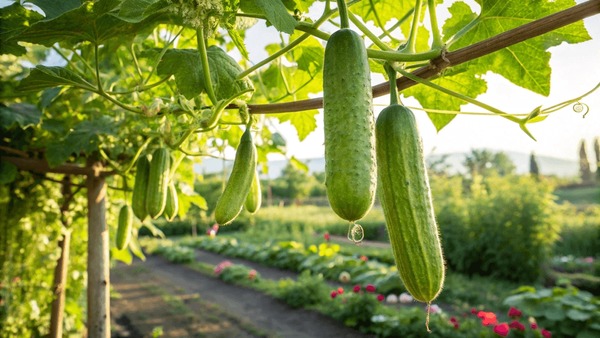
Cucumber farming is a profitable and fast-growing agribusiness venture suitable for both small-scale and commercial farmers. Cucumbers have a high market demand due to their use in salads, juices and fresh consumption. With proper agronomic practices, cucumber farming can deliver quick returns within a short production cycle. This guide provides practical insights into successful cucumber farming, from land preparation to harvesting.
Suitable climate and soil requirements
Cucumbers perform best in warm climates with temperatures ranging between 18°C and 30°C. They require plenty of sunlight for healthy growth and high yields. Frost and extremely cold conditions negatively affect growth and fruit development.
Well-drained, fertile soils rich in organic matter are ideal for cucumber farming. Sandy loam or loam soils with a pH range of 5.5 to 7.0 are preferred. Waterlogged or compacted soils should be avoided as they encourage root diseases and poor plant performance.
Land preparation and seedbed formation
Proper land preparation is essential for good root development and moisture retention. The land should be cleared of weeds and crop residues before ploughing. Ploughing and harrowing help loosen the soil and create a fine seedbed that allows roots to penetrate easily.
Incorporating well-decomposed farmyard manure or compost during land preparation improves soil fertility and structure. Raised beds or ridges are recommended, especially in areas prone to waterlogging, to enhance drainage and root aeration.
Seed selection and planting
Planting should be done using healthy, certified seeds to ensure high germination rates and resistance to common pests and diseases. Hybrid cucumber varieties are often preferred because they offer higher yields, uniform fruits, and better disease tolerance.
Cucumber seeds are usually planted directly in the field. Spacing is important to allow good air circulation and reduce disease pressure. Proper spacing also makes it easier to manage the crop and harvest fruits efficiently. Seeds are planted at a shallow depth to ensure quick emergence.
Watering and moisture management
Regular watering is critical in cucumber farming because cucumbers have a shallow root system and are highly sensitive to water stress. Inadequate watering during flowering and fruit formation can lead to flower drop, misshapen fruits and reduced yields.
Irrigation should be done consistently to keep the soil moist but not waterlogged. Mulching using dry grass, straw, or plastic mulch helps conserve soil moisture, suppress weeds and regulate soil temperature. Mulching also reduces soil erosion and improves fruit cleanliness.
Nutrient management and fertilization
Proper nutrition supports vigorous vine growth, flowering, and fruit development. Farmers should apply organic manure or compost to improve soil fertility. Balanced fertilizers rich in nitrogen, phosphorus, and potassium are recommended, especially during early growth and fruiting stages.
Excessive nitrogen should be avoided as it encourages leafy growth at the expense of fruit production. Regular soil testing helps determine the right fertilizer type and application rate for optimal yields.
Weed, pest and disease management
Weeding should be done regularly, especially during the early growth stages, to reduce competition for nutrients and water. Care must be taken to avoid damaging the shallow roots of cucumber plants. Mulching greatly reduces weed growth and labor costs.
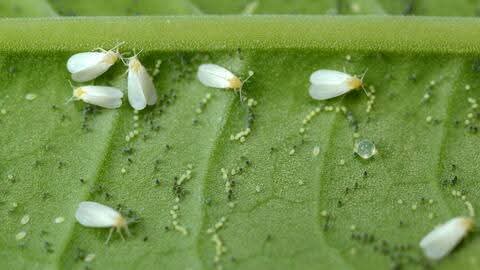
Common pests in cucumber farming include aphids, whiteflies, and cucumber beetles. These pests can reduce yields and transmit diseases. Regular field monitoring helps detect infestations early. Integrated pest management practices such as proper sanitation, use of resistant varieties, and timely pest control are recommended.
Diseases such as powdery mildew, downy mildew and bacterial wilt can affect cucumber crops. Good air circulation, proper spacing, and timely disease control measures help minimize losses.
Staking and trellising benefits
Staking or trellising is highly recommended in cucumber farming. Supporting the vines keeps fruits off the ground, reducing rot and pest damage. Trellised cucumbers are cleaner, more uniform, and easier to harvest. This practice also improves air circulation, reducing the incidence of fungal diseases.
Harvesting and post-harvest handling
Harvesting begins a few weeks after planting, depending on the variety. Fruits should be harvested when they reach the desired size, color, and firmness. Delayed harvesting leads to overgrown fruits, which reduces market quality and slows down further fruit production.
Regular harvesting encourages continuous flowering and fruiting. Harvested cucumbers should be handled carefully to avoid bruising and stored in a cool, shaded place before marketing.
Cucumber farming is a rewarding venture when proper management practices are followed. From selecting the right soil and quality seeds to effective watering, fertilization and pest management, each step plays a crucial role in achieving high yields. With timely harvesting and good farm practices, cucumber farming can provide steady income and contribute to improved household nutrition and food security.

Author: Moureen Koech
Moureen Koech is a passionate Digital Journalist, an adept Agribusiness Writer with a keen eye for news and an impactful story-teller,whose stories provide key value to Agripreneurs and stakeholders in the Agricultural sector