

E-Learning platforms for farmers
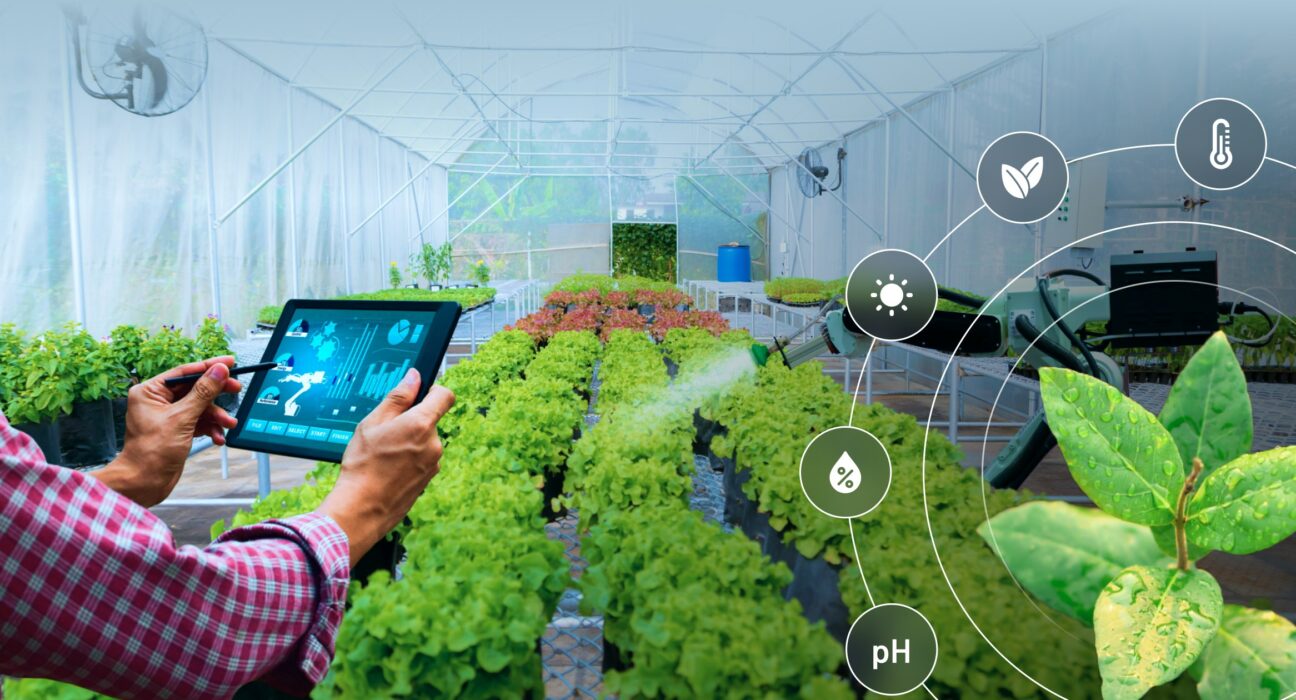
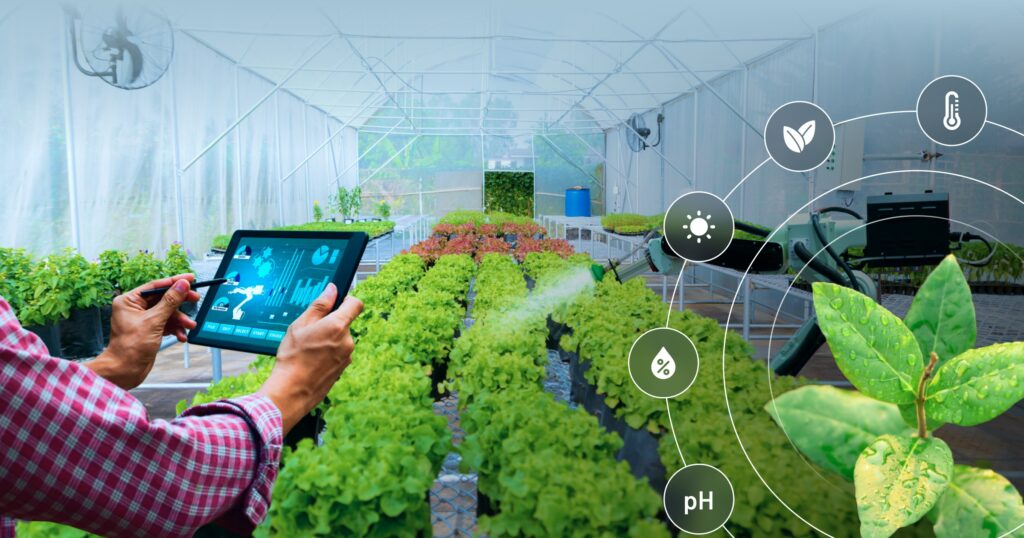
E-learning platforms for farmers are digital tools and systems designed to deliver agricultural knowledge, skills and advisory services through online and mobile technologies. These platforms are changing how farmers access information by providing timely, affordable and scalable learning solutions. As agriculture becomes more knowledge-intensive and climate challenges increase, digital learning is emerging as a powerful driver of modern agribusiness development.
Across Africa and other developing regions, e-learning platforms are helping bridge gaps in extension services, improve productivity and empower farmers with business and technical skills.
What are e-learning platforms for farmers?
E-learning platforms for farmers are digital education systems that provide training content, advisory services and learning resources through:
- Mobile phones (smartphones and feature phones)
- Web-based portals
- Mobile applications
- SMS and USSD services
- Audio and video-based learning tools
These platforms deliver information on farming techniques, agribusiness management, climate-smart practices, market access and financial literacy in a flexible and user-friendly manner.
Why E-Learning platforms are important in agriculture
Traditional extension services often struggle to reach all farmers due to limited personnel, high costs, and geographical barriers. E-learning platforms address these challenges by:
- Expanding access to agricultural knowledge
- Reducing the cost of training and advisory services
- Providing real-time and location-specific information
- Supporting continuous learning and skill development
- Enhancing resilience to climate and market shocks
Digital learning empowers farmers to make informed decisions and adopt best practices more quickly.
Key features of e-learning platforms for farmers
Effective e-learning platforms are designed with farmers’ needs in mind. Common features include:
- Localized content tailored to specific crops, regions, and climates
- Multilingual delivery using local languages
- Short, practical lessons focused on real-world challenges
- Audio and video content for low-literacy users
- Offline access to downloadable materials
- Interactive tools such as quizzes, chatbots and discussion forums
These features ensure inclusivity and usability across different farmer groups.
Types of E-Learning Platforms for farmers
E-learning platforms vary in format and delivery. Common types include:
Mobile-Based Learning Platforms
- Use mobile apps, SMS or USSD
- Ideal for remote and rural farmers
- Provide alerts, tips and step-by-step guidance
Web-Based learning platforms
- Accessed through computers or smartphones
- Offer structured courses and certification programs
- Suitable for agripreneurs and extension workers
Video and audio learning platforms
- Use videos, podcasts and radio integration
- Demonstrate practical farming techniques visually
- Effective for skill-based learning
Blended learning platforms
- Combine digital tools with physical training sessions
- Support peer learning and mentorship
- Enhance knowledge retention and application
Key learning areas covered by e-learning platforms
E-learning platforms typically provide training across the entire agribusiness value chain, including:
- Crop and livestock production techniques
- Climate-smart and sustainable agriculture
- Soil and water management
- Pest and disease control
- Agribusiness management and record keeping
- Financial literacy and access to credit
- Market information and pricing
- Post-harvest handling and value addition
This holistic approach supports both productivity and profitability.
Benefits of e-learning platforms for farmers
E-learning platforms offer multiple benefits to farmers, agribusinesses, and governments:
- Improved productivity through better farming practices
- Increased incomes from market-oriented production
- Faster adoption of innovation and technology
- Greater inclusion of women and youth
- Scalable and cost-effective extension delivery
- Data collection for better decision-making
Digital learning strengthens farmer resilience and competitiveness.
Challenges facing e-learning platforms for farmers
Despite their potential, e-learning platforms face several challenges:
- Limited internet connectivity in rural areas
- High cost of smartphones and data
- Low digital literacy among some farmers
- Language and cultural barriers
- Trust and credibility of digital content
Addressing these challenges requires investment in infrastructure, user training and localized content development.
The success of e-learning platforms depends on collaboration among stakeholders:
- Governments support policy frameworks, infrastructure, and public extension integration
- NGOs promote inclusion, capacity building and community engagement
- Private sector drives innovation, platform development and scalability
Public-private partnerships are critical for long-term sustainability.
The future of e-learning in agriculture
The future of e-learning platforms for farmers lies in smarter, more personalized systems. Emerging trends include:
- Artificial intelligence for customized learning
- Data-driven advisory services
- Integration with digital finance and input supply platforms
- Climate forecasting and early warning systems
- Certification and career pathways in agribusiness
These innovations will further strengthen digital agriculture ecosystems.
E-learning platforms for farmers are transforming how agricultural knowledge is shared and applied. By overcoming traditional extension limitations, these platforms empower farmers with timely, relevant and practical information. When designed inclusively and supported by strong partnerships, e-learning platforms can significantly enhance productivity, profitability and sustainability in agribusiness.
As agriculture continues to evolve, digital learning will remain a critical tool for building resilient, informed and market-ready farming communities.

Author: Moureen Koech
Moureen Koech is a passionate Digital Journalist, an adept Agribusiness Writer with a keen eye for news and an impactful story-teller,whose stories provide key value to Agripreneurs and stakeholders in the Agricultural sector