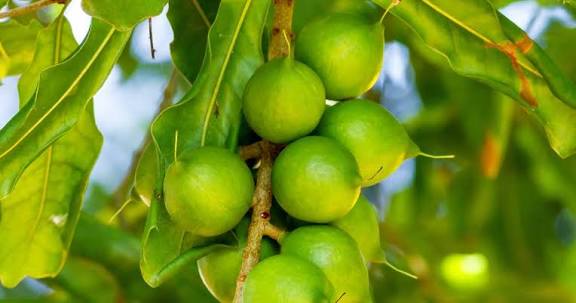
Farm-to-Fork supply chain in East Africa

The farm-to-fork supply chain is the journey food takes from the moment it is produced on the farm until it reaches the final consumer. In East Africa, this chain is increasingly important as urban populations grow, food demand rises and consumers become more conscious about food safety, quality, and traceability. Understanding how the supply chain works and the challenges within it helps farmers, agribusinesses, policymakers and investors build stronger food systems that support economic growth and food security.
What farm-to-fork really means in the East African context
Farm-to-fork is more than a catchy phrase,it is a full system that connects production, processing, distribution and consumption. In East Africa, this system includes millions of smallholders who produce up to 70% of the region’s food. Their output flows through middlemen, local markets, processors, wholesalers, supermarkets and finally, consumers both locally and internationally.
Unlike in highly industrialized economies, East Africa’s supply chain remains semi-formal, highly fragmented, and heavily dependent on weather patterns and informal market networks. This creates unique opportunities and significant vulnerabilities that influence food availability, prices and overall quality.
Stage One: Production at the farm level
Everything begins on the farm. Smallholder farmers dominate the region, growing staple crops, vegetables, fruits, dairy, poultry and livestock. However, productivity challenges such as limited access to quality seeds, unpredictable rainfall, pests, diseases, and low mechanization,affect the quantity and consistency of supply.
To strengthen the farm-to-fork chain, inputs and production systems must be reliable. This includes:
- Improved seeds and planting materials
- Access to irrigation and climate-smart technologies
- Training on agronomy and livestock husbandry
- Affordable credit and insurance for smallholder farmers
When production becomes efficient, the rest of the value chain benefits through higher volume, better quality, and reduced wastage.
Stage Two: Aggregation and collection
After harvesting, farmers rarely sell directly to consumers. Produce usually passes through aggregators and middlemen who buy in bulk, sort and transport goods to markets.
This stage is critical because it determines:
- The farm-gate price farmers receive
- Post-harvest losses
- The consistency of supply to markets and processors
However, East Africa still experiences high post-harvest losses up to 40% for fruits and vegetables due to poor storage, inadequate transport and lack of cold-chain systems. Strengthening this stage calls for improved warehouses, cold rooms, digital aggregation centers and farmer cooperatives that negotiate better prices.
Stage Three: Processing and Value Addition
Processing transforms raw produce into market-ready products with longer shelf lives and higher prices. In East Africa, value addition is increasingly important due to rising urbanization, growing fast-food culture and higher demand for processed foods.
Key processing opportunities include:
- Milling grains into flour
- Making dairy products like yoghurt, cheese, and ghee
- Drying fruits and vegetables
- Packaging honey
- Meat processing and preservation
Unfortunately, small processors face challenges such as inconsistent supply, high electricity costs, limited technology, and stringent food safety standards. Those who invest in even basic processing benefit from higher margins and reduced losses.
Stage Four: Distribution and transportation
Moving products across the region is a major challenge. Poor roads, long distance to markets, border delays and inefficient logistics can inflate prices by 30–50%.
Transport gaps directly affect food safety and quality, especially for perishables like milk, fish and vegetables. For East Africa to strengthen this stage, investment is needed in:
- Cold-chain logistics
- Efficient trucks and last-mile delivery solutions
- Harmonized regional trade policies
- Digitization of transport and tracking systems
Improved distribution connects farmers to high-value markets such as supermarkets, exports, schools and hotels.
Stage Five: Retail and market access
Retailing in East Africa happens through several channels:
- Open-air markets
- Roadside kiosks
- Supermarkets
- Online grocery platforms
- Hotels and restaurants
Open-air markets remain dominant, but modern retail is rising fast, especially in cities like Nairobi, Kampala, Arusha, Dar es Salaam and Kigali. Farmers and agribusinesses must understand buyer requirements for quality, grading, packaging and consistency to enter premium markets.
Digital platforms such as Twiga Foods, Mkulima Young, Sokowatch and FarmDrive are transforming retail by linking smallholders to buyers while offering credit and data-driven services.
Stage Six: Consumption trends in East Africa
Consumer demand is evolving. Urban populations are increasingly health-conscious and prefer:
- Fresh produce
- Clean and traceable foods
- Convenient packaged foods
- Safe animal products
This shift has triggered a rise in organic markets, hydroponics farms, and home-delivery services. As middle-income households grow, so does demand for high-quality, branded and packaged food products.
Understanding consumer preferences helps farmers and processors align their products to actual market needs.
Key challenges in East Africa’s Farm-to-Fork chain
Despite tremendous opportunities, several bottlenecks hinder efficiency:
- High post-harvest losses
- Poor infrastructure and cold storage
- Limited financing for smallholders
- Weak enforcement of food safety standards
- Market price volatility
- Fragmented value chains
- Reliable data and traceability gaps
Addressing these issues would significantly reduce food waste, stabilize prices and increase farmer incomes.
The Future of East Africa’s Farm-to-Fork Supply Chain
The region is moving toward a more integrated, technology-driven food system. Innovations such as blockchain traceability, solar-powered cold rooms, e-commerce platforms, digital marketplaces and smart irrigation are transforming the agricultural landscape.
Government policies promoting local manufacturing, regional trade, food fortification and processing are also shaping a stronger future.
Ultimately, a more efficient farm-to-fork chain means:
- Higher farmer incomes
- Improved food security
- Reduced losses
- Better nutrition for consumers
- A more resilient regional economy

Author: Moureen Koech
Moureen Koech is a passionate Digital Journalist, an adept Agribusiness Writer with a keen eye for news and an impactful story-teller,whose stories provide key value to Agripreneurs and stakeholders in the Agricultural sector