




Greenhouse farming for beginners
Greenhouse farming is an increasingly popular agricultural method that allows farmers to grow crops in a controlled environment. It is especially useful for beginners who want to maximize production, reduce risks and farm throughout the year. With proper planning and management, greenhouse farming can be a profitable agribusiness venture.
What is greenhouse farming?
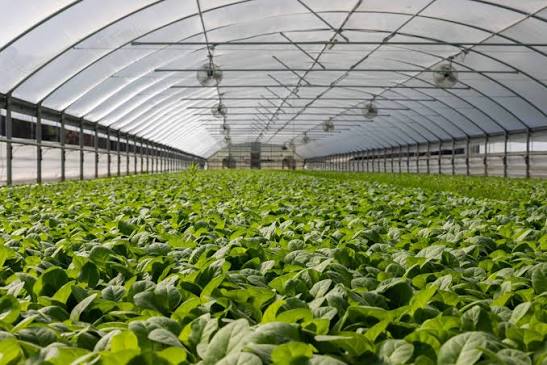
Greenhouse farming involves growing crops inside a structure covered with transparent materials such as plastic or glass. The structure allows sunlight in while controlling temperature, humidity, and airflow. This controlled environment protects crops from extreme weather, pests and diseases.
Greenhouses can be small or large depending on available space and budget. Beginners often start with simple, low-cost greenhouses before expanding.
Benefits of greenhouse farming
One major advantage of greenhouse farming is year-round production. Crops can be grown regardless of season, ensuring consistent supply and income. Greenhouses also improve crop quality since plants grow under optimal conditions.
Other benefits include higher yields per square meter, reduced pest and disease pressure, efficient water use and better control of inputs such as fertilizers and pesticides.
Crops suitable for greenhouse farming
Beginners should start with high-value and fast-growing crops. Common greenhouse crops include tomatoes, capsicum (sweet peppers), cucumbers, strawberries, lettuce and herbs such as basil and coriander.
These crops perform well in controlled environments and have ready markets. Choosing the right crop depends on market demand, climate and available capital.
Types of greenhouses for beginners
There are different types of greenhouses suitable for beginners. Wooden or metallic frame greenhouses covered with UV-treated polythene are the most common and affordable.
Low-tech greenhouses rely on natural ventilation and manual watering, making them ideal for small-scale farmers. High-tech greenhouses use automated systems for irrigation, temperature control and fertilization but require higher investment.
Basic requirements for greenhouse farming
Successful greenhouse farming starts with proper site selection. The greenhouse should be built on well-drained land with access to sunlight, water, and security.
Other key requirements include quality seedlings, fertile soil or suitable growing media, proper irrigation systems such as drip irrigation and regular monitoring of temperature and humidity.
Greenhouse management practices
Good management is essential for success in greenhouse farming. Beginners should maintain proper spacing to allow airflow and reduce disease spread. Regular pruning, training, and trellising help plants grow well and increase yields.
Pest and disease management should focus on prevention. This includes proper hygiene, use of insect nets and regular inspection of crops. Integrated pest management methods are recommended to minimize chemical use.
Cost of starting greenhouse farming
The cost of setting up a greenhouse depends on size, materials and technology used. For beginners, a small greenhouse can cost between KSh 100,000 and KSh 300,000 in Kenya.
While initial costs may be high, greenhouse farming offers high returns if well managed. Many farmers recover their investment within one or two seasons.
Marketing greenhouse produce
Marketing is a critical part of greenhouse farming. Farmers should identify buyers before planting. Potential markets include supermarkets, hotels, restaurants, open markets and direct consumers.
Consistent quality and supply help build trust with buyers. Value addition, such as packaging and branding, can also increase profits.
Challenges of greenhouse farming
Despite its benefits, greenhouse farming has challenges. These include high initial investment, technical knowledge requirements and risks of disease outbreaks if not well managed.
However, these challenges can be minimized through proper training, good planning and regular support from agricultural extension officers.
Greenhouse farming is an excellent option for beginners who want to venture into modern and profitable agriculture. With the right crop selection, proper management and market planning, beginners can achieve high yields and steady income. Starting small, learning continuously and investing in training are key steps to success in greenhouse farming.

Author: Moureen Koech
Moureen Koech is a passionate Digital Journalist, an adept Agribusiness Writer with a keen eye for news and an impactful story-teller,whose stories provide key value to Agripreneurs and stakeholders in the Agricultural sector


