

How to grow sweet potatoes for high yields
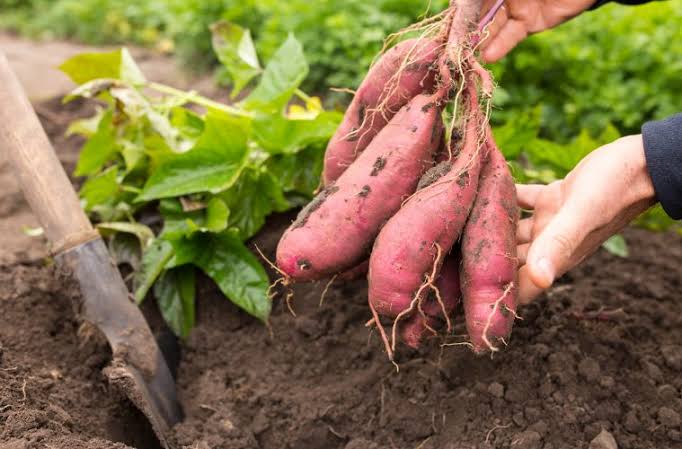
Sweet potatoes are among the most fulfilling crops a farmer can plant. They grow fast, are highly nutritious and adapt well to warm climates. Whether you’re farming on a small plot or several acres, sweet potatoes can give excellent returns when managed correctly.
Tips on how to grow sweet potatoes effectively
Start With healthy slips (Vines)
Sweet potatoes are not grown from seeds. Instead, farmers use vines known as slips. The quality of the slips determines the strength of the entire crop. Always source clean, disease-free vines from a reputable supplier or nursery. Healthy slips sprout faster, root better and are less susceptible to pests and diseases. Using weak or infected vines slows growth and leads to poor tuber formation, so this first step is crucial for success.
Choose the right soil
Sweet potatoes thrive in loose, sandy, or loamy soils. These soils allow the tubers to expand freely, resulting in uniform, well-shaped potatoes. Heavy clay soils are a major challenge because they limit root growth and cause twisted or deformed tubers. Additionally, sweet potatoes dislike waterlogged conditions stagnant water encourages rotting and soil-borne diseases. Before planting, test your soil’s drainage and texture. If it feels sticky and heavy when wet, consider adding sand or organic matter to improve structure.
Prepare the field properly
Land preparation sets the foundation for strong tuber development. Begin by clearing the field of weeds, stones and crop residues. Form ridges or mounds that are about 30–40 cm high. Ridges improve aeration and loosen the soil around the tubers, allowing them more room to grow. During preparation, incorporate well-decomposed manure or compost to enhance soil fertility naturally. Sweet potatoes respond well to organic matter, especially during the early growth stages.
Plant the vines correctly
Correct planting makes a big difference in how the crop establishes. Insert each slip at a slanted angle and bury 2–3 nodes under the soil. These buried nodes are where roots will form. Space the plants 30 cm apart within the row and leave about 1 meter between rows to give the vines room to spread. After planting, press the soil gently around the base of each slip to ensure firm contact. This encourages quicker rooting and reduces transplant shock.
Control weeds early
Weeds compete aggressively for nutrients, sunlight and water during the early weeks of growth. Since sweet potatoes grow slowly at first, you must keep the field clean. Weed at least 2–3 times in the first month. Once the vines begin to trail and cover the ground, they naturally suppress weeds by shading the soil. At this stage, frequent weeding becomes unnecessary. Early weed control ensures the crop starts strong and grows uniformly.
Manage water carefully
Sweet potatoes require consistent moisture during the first 2–3 weeks after planting. Water lightly during this period to help the slips root properly. However, avoid excessive watering. Once the vines spread across the field, reduce watering because too much moisture suppresses tuber formation and encourages fungal diseases. Sweet potatoes favor moderate, well-distributed rainfall,not floods. Proper water management leads to bigger, healthier tubers.
Apply fertilizer wisely
Sweet potatoes are not heavy feeders, and excessive fertilization can harm yields. Too much nitrogen causes lush vine growth at the expense of tubers. Instead, apply well-decomposed compost or a balanced NPK fertilizer in small quantities. Potassium-rich fertilizers are particularly beneficial because they enhance tuber size, improve texture, and increase sweetness. Stick to moderate applications and avoid overfeeding the crop.
Control pests and diseases
Like many root crops, sweet potatoes face several pests and diseases. Common threats include sweet potato weevils, caterpillars, and fungal infections during wet seasons. Regularly scout the field to catch problems early. Practice crop rotation to reduce pest buildup, and always remove and destroy infested vines or roots. Good field hygiene and timely intervention help maintain a healthy crop throughout the season.
Harvest at the right time
Sweet potatoes mature 3–4 months after planting, depending on the variety. One of the earliest signs of maturity is yellowing leaves. When harvesting, use a hoe carefully to avoid bruising or cutting the tubers. Injured sweet potatoes spoil quickly. After harvesting, cure the roots by placing them in a shaded, dry, well-ventilated area for 7–10 days. Curing heals minor surface wounds and increases sweetness while improving storage quality.
Store properly
Good storage practices reduce post-harvest losses. Store cured sweet potatoes in a cool, dry room with good airflow. Avoid stacking damaged or bruised tubers together , one rotten root can spoil the entire batch. Under proper storage conditions, sweet potatoes can last several months without losing quality.

Author: Moureen Koech
Moureen Koech is a passionate Digital Journalist, an adept Agribusiness Writer with a keen eye for news and an impactful story-teller,whose stories provide key value to Agripreneurs and stakeholders in the Agricultural sector