

Importance of mechanization for smallholder farmers
Smallholder farmers form the backbone of agricultural production in many developing countries, particularly in Africa and Asia. Despite their importance, most smallholders still rely on manual labor and traditional tools, which limit productivity and income. Mechanization for smallholder farmers refers to the use of appropriate machines, tools and technologies to reduce labor constraints, improve efficiency, and increase farm output.
As agriculture faces rising labor costs, climate challenges and growing food demand, mechanization is becoming a critical pathway for transforming smallholder farming into a profitable and sustainable agribusiness.
Understanding mechanization for smallholder farmers
Mechanization does not necessarily mean large, expensive machines. For smallholder farmers, mechanization involves the use of scale-appropriate, affordable and efficient tools that match farm size, capital and local conditions. These range from simple hand-held equipment to animal-drawn implements and small motorized machines.
The goal of mechanization is to replace or supplement human labor in key farm operations such as land preparation, planting, weeding, irrigation, harvesting, and post-harvest handling. When applied correctly, mechanization helps farmers save time, reduce drudgery and improve consistency in farming operations.
Why mechanization Is important for smallholder farmers
Smallholder farmers often face labor shortages, especially during peak planting and harvesting seasons. Mechanization addresses these challenges by enabling timely farm operations, which are critical for achieving high yields.
Mechanization also improves productivity per unit of land and labor, allowing farmers to cultivate larger areas or diversify into higher-value crops. For women and youth, mechanization reduces physical workload and makes farming more attractive as a business rather than a survival activity.
Types of mechanization suitable for smallholders
Mechanization for smallholder farmers can be categorized based on the level of technology and investment required.
Manual and Hand Tools include improved hoes, seed planters, weeders, and harvesting tools that enhance efficiency while remaining affordable.
Animal-Drawn Equipment such as ploughs, harrows and carts are common in mixed farming systems and provide a low-cost alternative to motorized machinery.
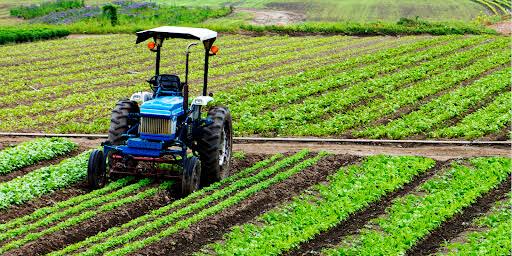
Small Motorized Machinery includes two-wheel tractors, water pumps, threshers, shellers and mini harvesters. These machines offer higher efficiency and are increasingly popular in small-scale farming systems.
Mechanization across the farming value chain
Mechanization is not limited to land preparation. It plays a role across the entire agricultural value chain.
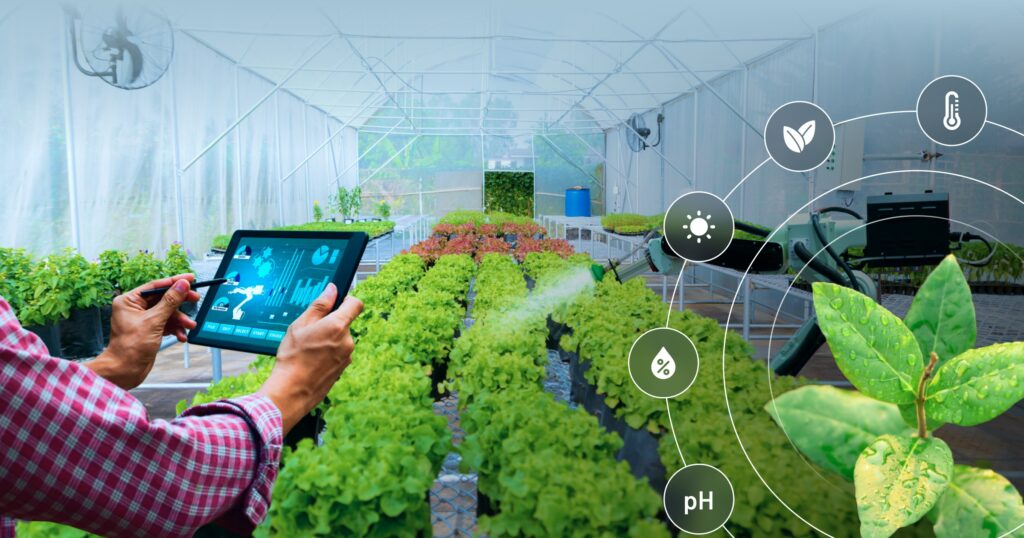
During production, mechanized planting ensures uniform crop spacing and optimal seed use. Mechanized irrigation systems improve water efficiency and reduce dependence on rainfall. In harvesting and post-harvest stages, machines such as threshers, dryers and shellers reduce losses and improve product quality.
By mechanizing post-harvest operations, smallholder farmers can improve marketability and increase income.
Mechanization as a business opportunity
Mechanization also creates agribusiness opportunities beyond farming. Mechanization service providers offer tractor hire, planting, spraying and harvesting services to farmers who cannot afford to own machinery.
This service-based model lowers the entry barrier for smallholders while creating employment and income opportunities for rural entrepreneurs. Digital platforms are increasingly being used to link farmers with mechanization service providers efficiently.
Challenges to mechanization for smallholder farmers
Despite its benefits, mechanization faces several challenges. High initial costs, limited access to credit and lack of technical skills hinder adoption. Poor infrastructure, such as bad roads and limited repair services, further constrain effective use of machinery.
In some cases, inappropriate mechanization leads to soil degradation, increased fuel costs and underutilization of machines. Addressing these challenges requires careful planning, training, and policy support.
Role of policy and institutional support
Governments and development partners play a critical role in promoting smallholder mechanization. Supportive policies include subsidies for appropriate machinery, training programs, financing schemes, and investment in rural infrastructure.
Research institutions and private sector players also contribute by developing affordable, locally adapted machines and providing after-sales support.
Sustainable mechanization emphasizes efficiency, environmental protection, and inclusivity. Conservation agriculture equipment, precision tools, and renewable energy-powered machines help reduce environmental impact while increasing productivity.
When combined with good agronomic practices, mechanization supports climate-smart agriculture and long-term farm Sustainability.
Mechanization for smallholder farmers is a key driver of agricultural transformation and rural development. By reducing labor constraints, improving productivity, and enabling value addition, mechanization turns smallholder farming into a viable agribusiness.
For mechanization to succeed, it must be appropriate, affordable and supported by strong policies, training and service delivery systems. When implemented effectively, mechanization empowers smallholder farmers to increase incomes, enhance food security and build resilient farming systems for the future

Author: Moureen Koech
Moureen Koech is a passionate Digital Journalist, an adept Agribusiness Writer with a keen eye for news and an impactful story-teller,whose stories provide key value to Agripreneurs and stakeholders in the Agricultural sector