




Intercropping as an effective strategy for sustainable crop production
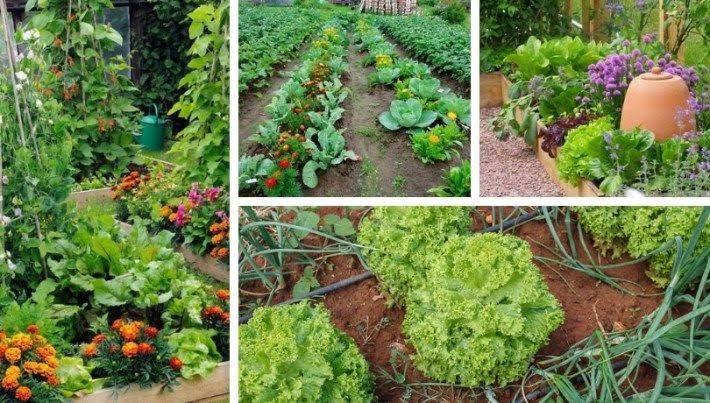
Intercropping is increasingly gaining attention as a smart and sustainable farming practice, especially for smallholder farmers looking to maximize land use, improve soil health and diversify income. This farming system involves growing two or more compatible crops on the same piece of land at the same time. When done correctly, intercropping enhances productivity while maintaining ecological balance, making it a key pillar of sustainable agriculture.
Understanding intercropping in sustainable agriculture
Intercropping goes beyond planting different crops together randomly. It is a deliberate system based on crop compatibility, growth habits, nutrient requirements and environmental needs. The goal is to ensure that crops complement rather than compete with each other. This approach allows farmers to make efficient use of available resources such as sunlight, water and soil nutrients.
In sustainable agriculture, intercropping plays a critical role in reducing dependence on chemical inputs. By promoting natural interactions among crops, the system helps manage pests, improve soil fertility and reduce environmental degradation. This makes intercropping particularly suitable for regions facing land pressure and climate variability.
Bananas as a foundation crop in intercropping systems
Bananas serve as an excellent principal crop in intercropping systems due to their broad leaves and perennial nature. They create a favorable microclimate by reducing excessive sunlight and conserving soil moisture. This shaded environment benefits many secondary and understory crops that thrive under moderate light conditions.
Additionally, banana roots help stabilize soil structure and reduce erosion. Their continuous leaf shedding contributes organic matter to the soil, improving fertility over time. Because bananas take time to mature, they allow farmers to grow short-season crops alongside them, ensuring continuous harvests and income.
Vertical stratification and efficient land use
One of the most effective features of intercropping is vertical stratification. This involves arranging crops in different layers based on their height and growth patterns. In a well-structured system, bananas dominate the upper layer, while crops such as cocoa and plantains occupy the mid-canopy. Pawpaw trees, pineapples and leafy vegetables grow in the lower layers.
This layered arrangement ensures efficient utilization of sunlight, as each crop captures light at its optimal level. It also minimizes competition for nutrients and space, since root systems exploit different soil depths. As a result, total productivity per unit of land increases significantly compared to monocropping.
Soil improvement through intercropping
Healthy soil is the foundation of sustainable crop production, and intercropping contributes greatly to soil improvement. The diversity of crops enhances soil biological activity by supporting beneficial microorganisms. Organic matter from fallen leaves, plant residues and root exudates improves soil structure and nutrient availability.
Intercropping also helps in reducing soil erosion, especially on sloping land. Ground-cover crops and leafy vegetables protect the soil surface from heavy rainfall and wind. Over time, this leads to better water retention, improved nutrient cycling, and long-term soil fertility.
Natural pest and disease management
Monocropping often encourages the buildup of pests and diseases due to the continuous presence of a single host plant. Intercropping disrupts pest life cycles by introducing plant diversity. Some crops act as natural repellents, while others attract beneficial insects that prey on pests.
The variation in plant species reduces the rapid spread of diseases, making outbreaks less severe. This natural control mechanism lowers the need for chemical pesticides, reducing production costs and minimizing environmental pollution. Healthier crops and ecosystems are the long-term outcome.
Economic resilience and income diversification
Intercropping significantly strengthens farmers’ economic stability. Instead of relying on a single crop, farmers harvest multiple products at different times of the year. While bananas provide long-term returns, short-season crops like leafy vegetables and pineapples generate quick income.
This diversified income stream helps farmers manage market fluctuations and crop failures more effectively. If one crop performs poorly due to weather or pests, others can compensate, reducing overall financial risk. For small-scale farmers, this resilience is vital for sustainable livelihoods.
Environmental sustainability and climate adaptation
Intercropping supports climate-smart agriculture by enhancing biodiversity and improving resilience to climate stress. Diverse cropping systems are better at withstanding droughts, heavy rains, and temperature fluctuations. Improved soil moisture retention and reduced erosion further increase climate adaptability.
By mimicking natural ecosystems, intercropping promotes harmony between agriculture and the environment. This balance ensures long-term productivity without degrading natural resources, aligning farming practices with sustainability goals.
Intercropping is an effective and proven strategy for sustainable crop production when implemented thoughtfully. The integration of bananas with crops such as cocoa, plantains, pawpaw, pineapples and leafy vegetables demonstrates how proper crop selection and vertical stratification enhance productivity and ecological balance. Beyond higher yields, intercropping improves soil health, manages pests naturally and provides economic resilience. Ultimately, this farming system shows that high productivity and environmental sustainability can coexist when agriculture works with nature rather than against it.

Author: Moureen Koech
Moureen Koech is a passionate Digital Journalist, an adept Agribusiness Writer with a keen eye for news and an impactful story-teller,whose stories provide key value to Agripreneurs and stakeholders in the Agricultural sector


