

Potato Hydroponics: A modern approach to high-yield, Soil-free potato farming
Potato hydroponics is transforming the way farmers grow one of the world’s most important staple crops. Traditionally cultivated in soil, potatoes can now be grown efficiently using hydroponic systems, where plants receive nutrients directly from water solutions rather than soil. This innovative farming method offers higher yields, better disease control and more efficient use of space and resources.
As global demand for food increases and arable land becomes limited, hydroponic potato farming presents a sustainable solution for modern agriculture. Whether for seed potato production or commercial consumption, hydroponics is opening new opportunities for farmers and agripreneurs.
What is Potato Hydroponics?
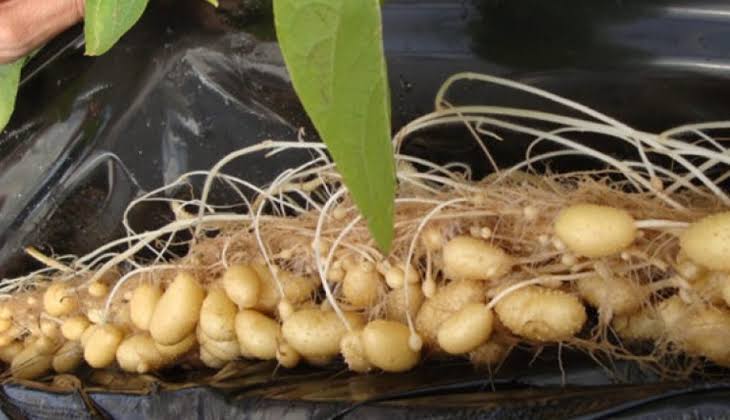
Potato hydroponics is a soil-free cultivation system where potato plants grow in a controlled environment using nutrient-rich water. Instead of planting seed tubers in the ground, growers use specialized systems that support plant roots while delivering precise amounts of water, oxygen and nutrients.
Hydroponic systems commonly used for potato farming include:
- Nutrient Film Technique (NFT)
- Deep Water Culture (DWC)
- Aeroponics
- Substrate-based systems using coco peat or perlite
Among these, aeroponics has gained particular attention for producing high-quality seed potatoes, also known as mini-tubers.
Why grow potatoes using hydroponics?
Hydroponic potato farming offers several advantages over traditional soil-based cultivation.
Higher yields
Hydroponic systems optimize nutrient delivery and environmental conditions. This results in faster plant growth and increased tuber production. Farmers can achieve significantly higher yields per square meter compared to conventional farming.
Disease Control
Soil-borne diseases such as bacterial wilt, late blight, and nematodes are major challenges in potato farming. Growing potatoes without soil reduces exposure to these pathogens, improving crop health and quality.
Efficient Water Use
Hydroponic systems use up to 80–90 percent less water than traditional farming. Water is recirculated, minimizing waste and making the system suitable for water-scarce regions.
Year-Round Production
Because hydroponics is often practiced in greenhouses or controlled environments, farmers can grow potatoes throughout the year, regardless of seasonal changes.
How potato hydroponics works
The process begins with disease-free seed material, often tissue culture plantlets. These plantlets are transferred into hydroponic systems where their roots are suspended in nutrient solutions or misted regularly.
Plants require a balanced nutrient solution containing:
- Nitrogen
- Phosphorus
- Potassium
- Calcium
- Magnesium
- Trace elements
Environmental factors such as temperature, humidity, light, and oxygen levels must be carefully controlled to ensure optimal tuber formation.
For seed potato production, hydroponics is especially effective because it allows the production of clean, uniform mini-tubers that can later be planted in open fields.
Hydroponic systems suitable for potatoes
Aeroponic Systems
Aeroponics involves suspending plant roots in air while misting them with nutrient solutions. This system promotes excellent oxygen exposure, leading to rapid tuber development. It is widely used for producing certified seed potatoes.
Substrate-Based Systems
In this system, potatoes grow in inert media such as coco peat, perlite, or rock wool. The substrate supports plant roots while nutrient solution is delivered through drip irrigation.
Deep Water Culture
Although less common for large tubers, deep water culture systems can be adapted for potato production in controlled environments.
The choice of system depends on investment capacity, technical expertise, and production goals.
Cost considerations for hydroponic potato farming
Hydroponic systems require higher initial investment compared to traditional farming. Costs may include:
- Greenhouse construction
- Hydroponic equipment
- Water pumps and nutrient tanks
- Climate control systems
- Quality seed materials
However, operational costs can be lower in the long run due to reduced pesticide use, efficient water management and consistent yields.
Farmers targeting high-value seed potato markets often recover their investment faster due to premium pricing.
Market opportunities for hydroponic potatoes
Hydroponically grown potatoes have strong market potential, particularly in seed production. Certified seed potatoes are in high demand because they improve yields and reduce disease risks in conventional farms.
Commercial opportunities include:
- Selling mini-tubers to farmers
- Supplying fresh potatoes to supermarkets
- Contract farming with food processing companies
- Producing specialty or organic potatoes
With increasing demand for clean and traceable food production systems, hydroponic potatoes offer competitive advantages in quality and safety.
Challenges of potato hydroponics
Despite its benefits, hydroponic potato farming comes with challenges.
High startup capital may discourage small-scale farmers. The system also requires technical knowledge to manage nutrient solutions and environmental conditions.
Power supply is critical since pumps and climate control systems must operate consistently. Any interruption can affect plant growth.
However, with proper training and planning, these challenges can be managed effectively.
Is potato hydroponics worth the investment?
Potato hydroponics represents the future of sustainable, high-efficiency farming. While it requires greater technical input and capital investment, it delivers higher productivity, improved crop health and better resource efficiency.
For agripreneurs interested in modern farming technologies, hydroponic potato production offers strong potential, particularly in seed multiplication and high-value markets.
As agriculture continues to evolve toward climate-smart and precision farming systems, hydroponic potatoes stand out as a forward-thinking solution for food security and profitability .

Author: Moureen Koech
Moureen Koech is a passionate Digital Journalist, an adept Agribusiness Writer with a keen eye for news and an impactful story-teller,whose stories provide key value to Agripreneurs and stakeholders in the Agricultural sector