




Short-season crops that pay quickly

Sometimes farming is about speed. When bills need to be paid, capital is limited or market opportunities appear suddenly, waiting six months or a year for harvest is not always practical. This is where short-season crops come in. These fast-growing crops mature within a few weeks to three months, allowing farmers to recover their investment quickly and reinvest for continuous income.
Short-season crops are especially popular among small-scale farmers, urban growers and young agripreneurs because they combine quick returns, manageable risks and strong market demand.
Why short-season crops are ideal for quick income
Short-season crops mature within 30 to 90 days, making them perfect for fast cash flow. Their short production cycle allows multiple harvests in a year, especially where irrigation is available. This means farmers can earn income several times from the same piece of land.
These crops also require lower startup capital compared to long-term crops. Input costs such as seeds, fertilizer and labor are spread over a shorter period, reducing financial strain. Because they grow quickly, they are less exposed to prolonged drought, pests and diseases, lowering overall production risk.
Popular short-season crops for quick income
Choosing the right crops is critical for profitability. The following short-season crops are widely grown due to their fast maturity and reliable market demand.
Leafy Vegetables
Leafy vegetables grow very fast and have daily demand in homes, hotels and restaurants. Many can be harvested multiple times from one planting.
- Spinach
- Kale (Sukuma wiki)
- Lettuce
- Amaranth (Terere)
- Cowpea leaves
These crops mature within 21 to 45 days and provide continuous income through repeated harvesting.
Legumes
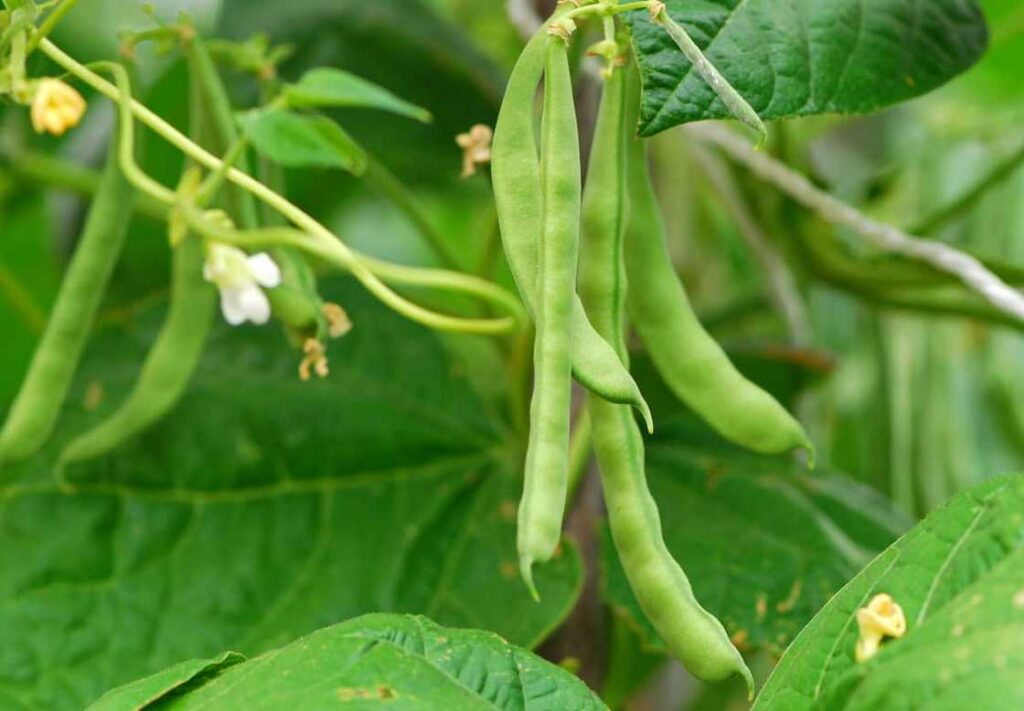
Short-season legumes offer both income and soil fertility benefits. They are easy to grow and widely consumed.
- Common beans
- Green grams (Ndengu)
- Cowpeas
- Garden peas
Most legumes mature within 60 to 75 days and improve soil nitrogen levels, reducing fertilizer costs.
Root and Bulb Crops
Some root and bulb crops mature quickly and fetch good prices, especially in urban markets.
- Radishes
- Spring onions
- Baby carrots
- Beetroot
These crops mature within 30 to 60 days and are ideal for small plots and market-oriented farming
Short-season fruit crops
Certain fruits grow fast and generate high income when well managed, especially during dry seasons.
- Watermelon
- Cucumber
- Zucchini
These crops mature within 60 to 90 days and perform well under irrigation, where market prices are often higher.
Herbs and Specialty Crops
Herbs mature quickly and attract premium prices in hotels, supermarkets, and export markets.
- Coriander (Dhania)
- Basil
- Dill
- Spring parsley
Most herbs are ready for harvest within 30 to 50 days and require minimal space.
Key factors that influence profitability
Profitability in short-season crops depends on good planning and management. Selecting high-yielding and disease-resistant varieties improves output and reduces losses. Soil fertility and consistent moisture supply are essential for rapid growth and good quality produce.
Timely planting and harvesting are crucial. Delays can reduce quality and market value. Pest and disease control must be done early, as infestations spread quickly in fast-growing crops.
Marketing also plays a major role. Farmers who identify buyers in advance or sell directly to consumers earn higher profits than those relying only on brokers.
Managing costs and increasing returns
Efficient input use is key to maximizing profits from short-season crops. Proper spacing, timely weeding and correct fertilizer application reduce waste and boost yields. Because these crops mature quickly, profits can be reinvested into the next planting cycle, creating a continuous income flow.
Intercropping and staggered planting help spread risk and ensure consistent harvests. Farmers can also increase returns through simple value addition such as cleaning, grading and packaging.
Despite their advantages, short-season crops face challenges such as market oversupply, price fluctuations and post-harvest losses. When many farmers plant the same crop at the same time, prices may drop.
These challenges can be managed by diversifying crops, planting in phases and staying informed about market trends. Proper storage and fast marketing reduce losses and protect income.
Short-season crops offer a smart and practical pathway to quick income in agriculture. Their fast maturity, low capital requirements and strong market demand make them ideal for farmers seeking rapid returns. With good crop selection, efficient management and smart marketing, short-season crops can provide steady income and serve as a foundation for long-term agribusiness success

Author: Moureen Koech
Moureen Koech is a passionate Digital Journalist, an adept Agribusiness Writer with a keen eye for news and an impactful story-teller,whose stories provide key value to Agripreneurs and stakeholders in the Agricultural sector


