


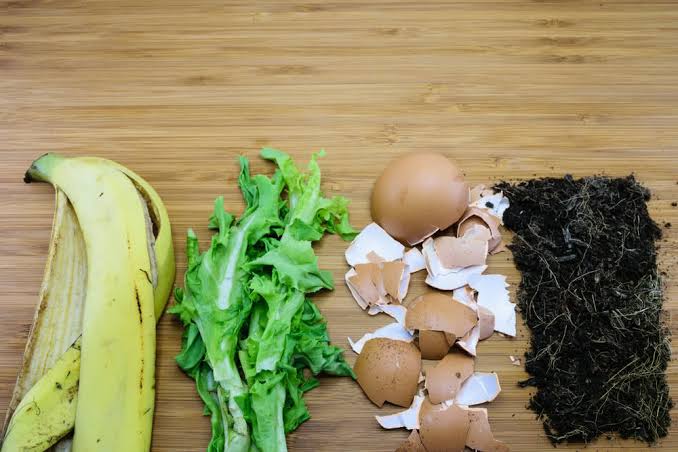
Healthy plants don’t always require expensive store-bought fertilizers. In fact, many of the best nutrients your plants need are already available in your kitchen or home. Homemade fertilizers are not only cost-effective but also environmentally friendly, making them perfect for sustainable gardening. Whether you are growing vegetables, flowers or indoor plants, these natural options can significantly improve soil fertility and plant growth.
In this guide, we explore 12 homemade fertilizers you can easily prepare and use to nourish your plants.
1. Banana Peels for Potassium Boost
Banana peels are one of the easiest and most effective homemade fertilizers. They are rich in potassium, which is essential for flowering and fruiting plants. Potassium helps strengthen plant stems and improves disease resistance.
To use banana peels, you can bury them directly in the soil near the roots or soak them in water for a few days to create a nutrient-rich liquid fertilizer. This method works especially well for tomatoes, peppers and roses.
2.Used ground coffee for acid-loving plants
Used coffee grounds are excellent for plants that thrive in slightly acidic soil. They contain nitrogen, which supports leafy growth and overall plant health.
Simply sprinkle the used coffee grounds around your plants or mix them into the soil. They are particularly beneficial for roses, blueberries, and houseplants. However, avoid overusing them, as too much acidity can harm plants.
3. Eggshells for Calcium Enrichment
Eggshells are packed with calcium, which is crucial for strong root development and preventing issues like blossom end rot in tomatoes.
Crush the eggshells into small pieces or grind them into powder before adding them to the soil. Over time, they break down and release calcium slowly, improving soil structure and plant health.
4. Epsom Salt for Magnesium Supply
Epsom salt is a great source of magnesium, an essential nutrient for photosynthesis. It helps plants absorb other nutrients more effectively and promotes greener leaves.
Dissolve one teaspoon of Epsom salt in a liter of water and use it to water your plants occasionally. This is particularly helpful for tomatoes, peppers, and indoor plants.
5. Molasses to Feed Soil Microbes
Molasses is not just for baking, it’s also a powerful natural fertilizer. It contains sugars that feed beneficial microbes in the soil, which in turn help break down nutrients for plant absorption.
Dilute a teaspoon of molasses in water and apply it to your plants. This enhances soil health and boosts plant growth naturally.
6. Aquarium Water for Natural Nutrients
If you keep fish, aquarium water can be a valuable fertilizer. It is rich in organic matter, nitrogen and beneficial bacteria that plants love.
Instead of discarding old aquarium water, use it to water your plants. It provides a quick nutrient boost and promotes lush growth.
7. Wood Ash for Potassium and Calcium
Wood ash from fireplaces or cooking fires is a great source of potassium and calcium. It can help improve soil pH and enhance plant growth.
Sprinkle a small amount of wood ash around your plants and mix it lightly into the soil. Be cautious not to overuse it, as too much can make the soil too alkaline.
8. Gelatin for Nitrogen Boost
Gelatin is a surprising but effective fertilizer. It contains nitrogen, which is essential for leafy growth and overall plant development.
Dissolve a small amount of gelatin in warm water and let it cool before applying it to your plants. This method works well for indoor plants and garden vegetables.
9. Milk for Calcium and Protein
Milk is rich in calcium and proteins that can benefit plant growth and improve soil health. It also helps prevent certain fungal diseases.
Mix milk with water in a 1:1 ratio and apply it to the soil or spray it on plant leaves. This is particularly useful for flowering plants.
10. Seaweed for Trace Minerals
Seaweed is packed with trace minerals and natural growth hormones that stimulate plant development. It enhances root growth and improves plant resilience.
After rinsing seaweed to remove excess salt, chop it into small pieces and mix it into the soil or soak it in water to create a liquid fertilizer.
11. Vegetable Cooking Water for Nutrient Recycling
When you cook vegetables, the water absorbs many essential nutrients. Instead of pouring it down the drain, let it cool and use it to water your plants.
This nutrient-rich “broth” provides vitamins and minerals that support plant growth. Make sure the water is unsalted before using it.
12. Grass Tea for Natural Plant Tonic
Grass clippings and herbs like chamomile or nettle can be used to make a powerful liquid fertilizer known as “grass tea.” It is rich in nitrogen and other nutrients.
Simply soak the clippings or herbs in water for a few days, strain the liquid, and use it to water your plants. This promotes healthy, vibrant growth.
Benefits of using homemade fertilizers
Homemade fertilizers offer numerous advantages. They reduce household waste by recycling organic materials, lower gardening costs and minimize the use of harmful chemicals. Additionally, they improve soil structure and encourage beneficial microorganisms, creating a healthier ecosystem for your plants.
Tips for best results
While homemade fertilizers are effective, moderation is key. Over-application can harm plants or disrupt soil balance. Always observe how your plants respond and adjust accordingly. Combining different natural fertilizers can also provide a more balanced nutrient profile.
Homemade fertilizers are a simple, affordable, and eco-friendly way to keep your plants thriving. From banana peels and eggshells to aquarium water and grass tea, these everyday items can transform your garden into a lush, productive space. By incorporating these natural solutions into your gardening routine, you not only nourish your plants but also contribute to a more sustainable environment.
Start using these homemade fertilizers today and enjoy healthier, greener plants right from your home garden.

Author: Moureen Koech
Moureen Koech is a passionate Digital Journalist, an adept Agribusiness Writer with a keen eye for news and an impactful story-teller,whose stories provide key value to Agripreneurs and stakeholders in the Agricultural sector


