


Fish farming is one of the fastest-growing agribusiness ventures in the world and farmers who choose the right species can earn high and consistent profits. Different fish species offer different advantages depending on climate, market demand and production systems. Whether you are farming for local consumption or export, understanding which species generate the highest returns can help you build a successful aquaculture business. Below are nine of the most profitable fish species every farmer should consider.
Tilapia
Tilapia is one of the most widely farmed fish globally because it grows fast, adapts well to different water conditions and is easy to manage. Its mild taste makes it highly marketable in Africa, Asia, and many international markets where consumers prefer affordable, versatile fish. Another major advantage of tilapia is its ability to be stocked densely, allowing farmers to produce more fish in a smaller space. This makes it especially profitable for commercial farmers who want quick turnover and reliable market demand.
Catfish
Catfish is extremely popular in West Africa, especially Nigeria, where the demand for smoked and fresh catfish continues to rise. It grows quickly, thrives in ponds and tank systems, and is resistant to many diseases, making it suitable for new and experienced farmers. Catfish farming requires relatively low maintenance compared to other species and provides steady profit margins because the market is always ready to absorb more supply. Its strong local demand makes catfish a top choice for farmers targeting regional markets.
Salmon
Salmon is one of the most profitable fish species for farmers targeting high-value global markets. It commands premium prices in Europe, North America, and Asia due to its rich flavor and nutritional value. However, salmon farming requires cooler climates and advanced systems such as cages or recirculating aquaculture systems. For farmers who can meet these requirements, salmon offers outstanding returns. It is ideal for those looking to venture into export-driven aquaculture and high-end retail or restaurant markets.
Carp
Carp is one of the oldest and most resilient farmed fish species in the world. It adapts well to many environments and is widely consumed, especially in Asia and Eastern Europe. Farmers benefit from low production costs because carp can be raised in ponds with minimal inputs. With its high tolerance to varying water conditions, carp provides a reliable income source for farmers who want a stable, low-maintenance fish farming operation. Its popularity in regional markets continues to grow due to its affordability and nutritional value.
Trout
Rainbow trout is considered a gourmet fish, making it one of the most lucrative species for farmers aiming at premium markets. It is highly valued in restaurants, hotels and supermarkets for its delicate taste and high-quality meat. Trout thrives in cool, clean water, which means it is best suited for farmers in highland regions or those with access to cold-water systems. Although it requires precise management, the high prices it fetches make trout farming a profitable, niche opportunity.
Barramundi
Barramundi is rising in popularity due to its excellent taste, fast growth rate, and adaptability. It can thrive in both freshwater and saltwater environments, making it versatile for different farming systems. Demand for barramundi continues to grow in Asia, Australia, and global export markets. Because it matures quickly and yields high-quality fillets, farmers can enjoy fast turnover and significant profits. Barramundi is ideal for those looking to scale up commercial operations with strong market potential.
Eel
Eel farming is highly profitable, especially for farmers who target Asian markets where eel is considered a delicacy. Demand is particularly strong in Japan and China. Although eel requires specialized knowledge and specific production systems, the returns can be exceptionally high due to premium market prices. Farmers who master eel production can enter a lucrative export niche with limited competition.
Koi
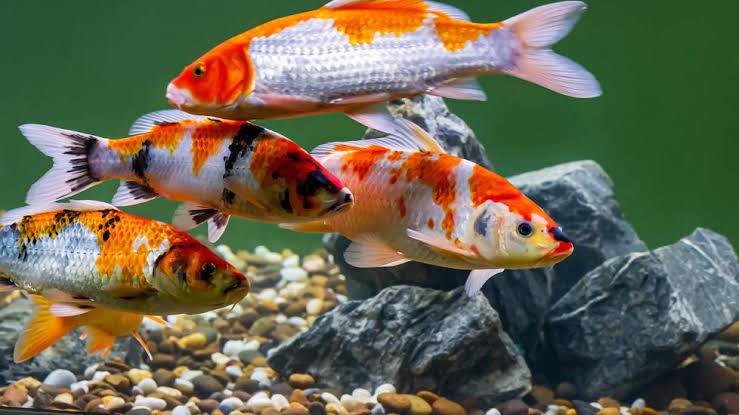
Koi fish are not farmed for food but for ornamental purposes and they can be extremely profitable. Their value depends on color, pattern, and rarity, with some koi selling for hundreds or even thousands of dollars. They are popular for landscaping, backyard ponds, and aquariums. Farmers who focus on high-quality breeding can earn exceptional profits with relatively low input costs. Koi farming is ideal for those interested in aquaculture that goes beyond food markets.
Prawns and Shrimp
Shrimp farming is often called an aquatic goldmine because of the massive global demand. Shrimp and prawns fetch high prices in the United States, Europe and Asia, making them excellent for farmers targeting export markets. However, they require precise water quality management and consistent monitoring. With proper systems in place, shrimp farming delivers some of the highest returns in aquaculture.
For farmers aiming at premium or export markets, species like salmon, trout, barramundi and shrimp offer higher margins but require more advanced production systems. Choosing the right species, understanding the market and investing in proper management are the keys to building a profitable and sustainable fish farming business.

Author: Moureen Koech
Moureen Koech is a passionate Digital Journalist, an adept Agribusiness Writer with a keen eye for news and an impactful story-teller,whose stories provide key value to Agripreneurs and stakeholders in the Agricultural sector


