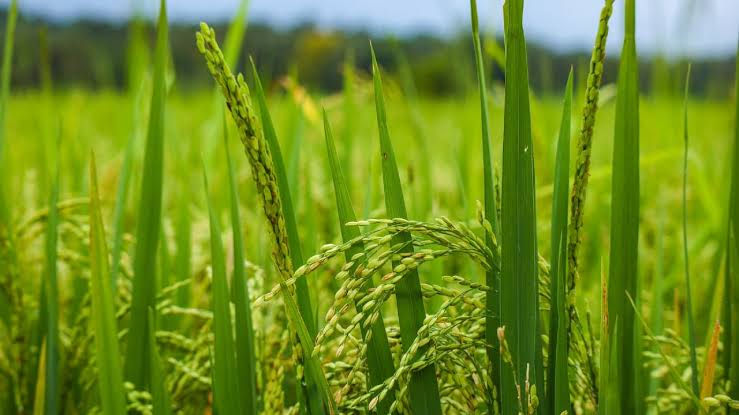
Rice is one of the most important staple foods in the world and a profitable crop for farmers in both irrigated and rain-fed systems. With proper planning, good agronomic practices, and effective market access, rice farming can generate stable income for small-scale and commercial farmers.
This step-by-step guide explains how to grow rice successfully, from land preparation to harvesting and marketing.
Understanding rice growing conditions
Rice grows best in warm climates with temperatures between 20°C and 35°C. It requires adequate water, especially during the vegetative stage. Depending on the region, rice can be grown under irrigation, rain-fed lowland or upland conditions.
The crop performs well in clay or loamy soils that retain water. Soil testing before planting is important to determine nutrient levels and pH. The ideal soil pH for rice ranges between 5.5 and 7.0.
Farmers in Kenya, especially in areas like Mwea and Kisumu, have successfully adopted irrigated rice farming due to reliable water supply.
Step 1: Land Preparation
Proper land preparation is critical for high rice yields. The field should be cleared of weeds and crop residues. Ploughing loosens the soil and improves root penetration.
In irrigated systems, the land is puddled by flooding and ploughing to create a soft, level surface. Leveling ensures uniform water distribution, which promotes even crop growth.
Good land preparation helps reduce weed competition and improves nutrient uptake.
Step 2: Selecting the right rice variety
Choosing the right variety determines yield potential and market acceptance. Factors to consider include maturity period, disease resistance and consumer preference.
In Kenya, popular rice varieties include NERICA and Basmati 370. NERICA varieties mature early and are suitable for upland conditions, while Basmati 370 is favored for its aroma and export value.
Always purchase certified seeds from reliable agro-dealers to ensure purity and high germination rates.
Step 3: Nursery establishment (For Transplanted Rice)
For irrigated rice farming, seeds are first raised in a nursery. Select a small, well-prepared plot near a water source. Soak seeds in clean water for 24 hours, then incubate them for another 24 hours to encourage sprouting.
Broadcast the pre-germinated seeds evenly on the nursery bed and maintain adequate moisture. Seedlings are usually ready for transplanting after 21 to 30 days.
Healthy seedlings lead to stronger plants and better yields.
Step 4: Transplanting or direct seeding
There are two main planting methods in rice farming: transplanting and direct seeding.
Transplanting involves uprooting seedlings from the nursery and planting them in the main field at recommended spacing, usually 20 cm by 20 cm. This method allows better weed control and uniform plant growth.
Direct seeding involves sowing seeds directly into the prepared field. It reduces labor costs but may require effective weed management.
Proper spacing ensures good air circulation and reduces disease incidence.
Step 5: Water management
Rice requires consistent water supply, especially during tillering and flowering stages. In irrigated systems, maintain a shallow water level of about 2 to 5 centimeters during early growth and slightly deeper during later stages.
Drain excess water two weeks before harvesting to allow the grains to mature properly. Efficient water management improves root development and reduces nutrient loss.
Avoid prolonged flooding during early seedling stages, as it may weaken plants.
Step 6: Fertilizer application
Rice is a heavy feeder and requires adequate nutrients for maximum yield. Apply basal fertilizer during planting, usually containing phosphorus and potassium.
Nitrogen fertilizer should be applied in split doses, first during early growth and later during tillering. This improves grain formation and overall productivity.
Soil testing helps determine the right fertilizer type and quantity, preventing wastage and environmental pollution.
Step 7: Weed, pest and disease control
Weeds compete with rice for nutrients, light and water. Early weed control is essential, especially within the first 40 days after planting.
Farmers can use manual weeding, mechanical weeders, or approved herbicides. Integrated pest management helps control pests such as stem borers and diseases like rice blast.
Regular field scouting allows early detection and timely intervention, reducing yield losses.
Step 8: Harvesting at the right time
Rice is ready for harvest when 80 to 85 percent of the grains turn golden yellow. Harvesting too early results in immature grains, while late harvesting causes grain shattering and losses.
Use sickles or combine harvesters depending on farm size. After harvesting, threshing separates grains from stalks.
Proper timing ensures good grain quality and higher market value.
Step 9: Drying and Storage
After threshing, dry rice grains to about 12 to 14 percent moisture content. Proper drying prevents mold growth and aflatoxin contamination.
Store dried grains in clean, dry bags in a well-ventilated area. Good storage practices protect produce from pests and maintain quality.
Investing in proper storage facilities reduces post-harvest losses significantly.
Step 10: Marketing and Value Addition
Rice marketing depends on quality, variety and demand. Farmers can sell to millers, wholesalers, retailers, or directly to consumers.
Value addition through milling, grading, and packaging increases profits. Branded rice often fetches higher prices compared to unprocessed paddy.
Building relationships with buyers ensures consistent sales and better income stability.
Rice farming is a profitable agribusiness opportunity when managed properly. Success depends on correct variety selection, proper land preparation, effective water and nutrient management and timely harvesting.
By following this step-by-step guide, farmers can improve yields, reduce losses and maximize returns. With growing demand for rice in Kenya and across Africa, well-managed rice farming offers strong income potential for both small-scale and commercial agripreneurs.

Author: Moureen Koech
Moureen Koech is a passionate Digital Journalist, an adept Agribusiness Writer with a keen eye for news and an impactful story-teller,whose stories provide key value to Agripreneurs and stakeholders in the Agricultural sector