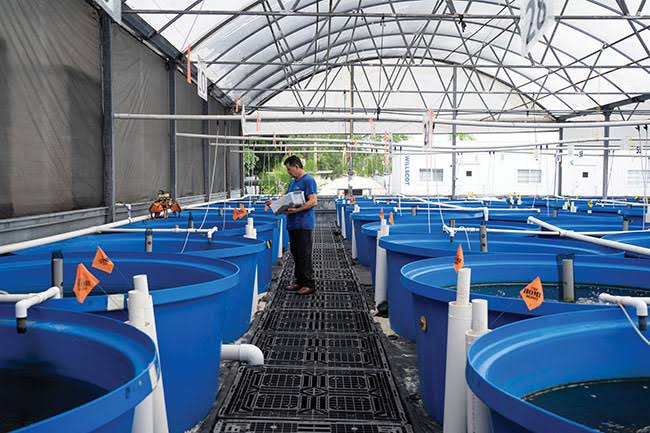
A fingerling hatchery produces baby fish, called fry and fingerlings and sells them to fish farmers who stock ponds, tanks and cages. Fingerlings are young fish, usually a few weeks old and large enough to survive in grow-out ponds. Every fish farm depends on a steady supply of healthy fingerlings, which makes hatcheries a vital link in the aquaculture value chain.
As more farmers take up tilapia and catfish farming, demand for quality seed has grown. Many fish farmers struggle with poor-quality fingerlings that grow slowly or die early, so hatcheries that supply reliable stock stand out and build loyal customers.
Why the business is profitable
The hatchery business earns money from high volumes and repeat sales. One breeding pond or tank can produce thousands of fry per cycle, and the cost per fingerling is low compared with the selling price. Farmers must buy fingerlings every production cycle, so demand is recurring rather than one-off.
Quality gives you an edge. Farmers will pay more for fast-growing, disease-free, correctly sexed fingerlings. For example, all-male tilapia grow faster and avoid uncontrolled breeding, so they are in high demand. Hatcheries that deliver consistent quality can charge premium prices and sell through referrals.
Choosing the right species
The most common species in Kenya are Nile tilapia and African catfish. Tilapia is popular because it grows fast, feeds on affordable food and sells easily. Catfish is hardy, tolerates poor water conditions and fetches good prices, though breeding it usually requires hormone-induced spawning and more technical skill.
Pick the species that matches your local market, water supply and experience. Many beginners start with tilapia because its breeding is simpler, then add catfish as they gain skills and customers.
Site, Water and Infrastructure
A good site is the foundation of a hatchery. You need reliable, clean water with the right temperature and oxygen levels, ideally from a borehole, spring or well-managed river source. Water must be free from pollution and pesticide runoff. Good drainage and security are also important.
Basic infrastructure includes broodstock ponds or tanks, hatching units such as hapas, tanks or incubation trays, nursery ponds for growing fry, a water supply system, aeration where needed and a small store for feed and equipment. Smaller operations can start with a few tanks and hapas, then expand as demand grows. Keep the layout simple and easy to clean.
Broodstock: The heart of the business
The quality of your fingerlings depends on the quality of your broodstock, the adult fish used for breeding. Source them from reputable hatcheries or research institutions and avoid breeding closely related fish, which leads to poor growth and weak offspring. Select healthy, fast-growing fish of the right age and size, and keep records of their origin.
Feed broodstock a high-protein diet and maintain good water quality so they produce strong eggs and sperm. Replace or refresh them regularly to maintain genetic quality. Many hatchery failures come from using poor or inbred stock, so this step deserves careful attention.
Production process
For tilapia, breeders are stocked in ponds, tanks or hapas at a balanced male-to-female ratio. Females lay eggs, which they incubate in their mouths. Eggs and fry are collected and moved to hatching or nursery units. Fry are fed fine, high-protein starter feed several times a day and are often sex-reversed using approved methods to produce mostly male fish, then graded by size.
For catfish, breeders are usually induced to spawn using hormones, eggs are fertilised and incubated in clean, well-oxygenated water, then hatched larvae are fed and moved to nursery tanks. This process requires skill and training, so attend a practical course before starting. In all cases, keep water clean, avoid overcrowding and sort fingerlings by size to reduce cannibalism and uneven growth.
Disease control and biosecurity
Healthy fingerlings are your product, so disease prevention is critical. Maintain clean water, avoid overstocking and disinfect nets, tanks and equipment. Quarantine new broodstock before mixing them with the rest. Remove sick or dead fish immediately and keep records of any treatments. Use only approved products and follow guidance from fisheries officers or aquaculture specialists.
Marketing and finding customers
Your customers are pond farmers, cage farmers, cooperatives, schools, institutions and fish-farming projects. Build visibility through farmer groups, county fisheries offices, agricultural shows, social media and WhatsApp groups. Offer small trial packs, give clear information on age and size, and provide simple advice on stocking rates and feeding.
Reliable delivery matters. Fingerlings must be transported in oxygenated bags or tanks with cool, clean water, and delivered quickly to avoid losses. Offering after-sales support and guarantees on quality builds trust and encourages repeat orders.
Licensing and compliance
Check the requirements of your county fisheries office and relevant authorities for registering and operating an aquaculture business, including water use and environmental rules. Following regulations protects you from penalties and helps you access support and markets.
Challenges and how to overcome them
Common challenges include disease outbreaks, water shortages, poor broodstock quality and uneven demand. Reduce risks by securing a backup water supply, practising strict hygiene, keeping good records and diversifying customers. Start small, perfect your methods, then scale gradually.
A fingerling hatchery can be a rewarding agribusiness for those who value quality and technical skill. With good broodstock, clean water, careful management and honest marketing, you can supply the seed that keeps fish farms growing and build a profitable, respected business.

Author: Moureen Koech
Moureen Koech is a passionate Digital Journalist, an adept Agribusiness Writer with a keen eye for news and an impactful story-teller,whose stories provide key value to Agripreneurs and stakeholders in the Agricultural sector