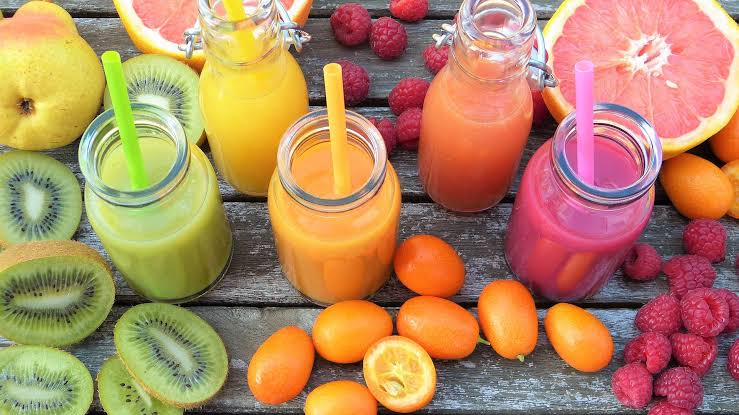
The fruit juice processing business is one of the fastest growing opportunities in the food processing industry. As more people become health conscious, the demand for natural fruit juice continues to increase. Many consumers now prefer fresh juice because it contains natural vitamins, minerals, and fewer artificial additives compared to carbonated drinks.
Fruit juice processing is a form of value addition in agribusiness. Instead of selling raw fruits at low prices, entrepreneurs can process them into juice products that have a higher market value. This business can be started on a small scale using locally available fruits and simple equipment, making it suitable for beginners and small agripreneurs.
Understanding how the fruit juice processing business works is important for anyone who wants to succeed in this field.
Understanding fruit juice processing
Fruit juice processing refers to the process of extracting liquid from fresh fruits and preparing it for safe consumption and storage. The process usually includes fruit selection, washing, extraction, filtration, pasteurization, and packaging.
The goal of juice processing is to produce a beverage that is safe, nutritious, and appealing to consumers. Proper processing helps maintain the natural flavor, color and nutrients found in fruits.
Processing also helps extend the shelf life of fruits, which normally spoil quickly after harvest. By converting fruits into juice, producers reduce post-harvest losses and create a product that can be sold over a longer period.
Choosing the right fruits for juice production
Selecting the right fruits is one of the most important steps in juice processing. The quality of the final product largely depends on the quality of the raw materials used.
Fresh, ripe fruits produce the best juice because they contain more natural sugars and flavor. Fruits that are damaged, rotten or overly ripe should not be used because they can affect the taste and safety of the juice.
Common fruits used in juice processing include oranges, mangoes, pineapples, passion fruits, watermelons, apples, and lemons. Entrepreneurs can also create mixed fruit juices by combining different fruits to improve flavor and nutritional value.
Using fruits that are locally available and in season helps reduce production costs and ensures a consistent supply of raw materials.
Essential equipment for fruit juice processing
Starting a fruit juice processing business does not require expensive equipment, especially at the beginner level. Many small-scale processors begin with basic tools and upgrade their equipment as the business grows.
Basic equipment includes washing containers, knives for peeling and cutting fruits, juice extractors or blenders, sieves or filters, cooking pots for heating and clean bottles for packaging.
Juice extractors or blenders are used to crush fruits and release the juice. Filters help remove seeds and pulp to produce smooth juice. Heating equipment is used for pasteurization, a process that destroys harmful bacteria and improves shelf life.
Maintaining clean equipment is essential for ensuring food safety and producing high-quality juice.
Step-by-Step fruit juice processing
The fruit juice processing procedure involves several important stages. Each stage must be carried out carefully to maintain quality and hygiene.
The first step is sorting and selecting fruits. Only healthy and ripe fruits should be used for processing. This helps improve the taste and quality of the juice.
The fruits are then washed thoroughly with clean water to remove dirt, pesticide residues, and microorganisms. Proper washing is essential for food safety.
After washing, the fruits are peeled and cut into smaller pieces. This makes it easier to extract the juice. The pieces are then crushed or blended using a juice extractor or blender.
Once the juice is extracted, it is filtered to remove seeds, fibers, and excess pulp. Filtration produces a smoother and more appealing product.
The next step is pasteurization. The juice is heated to a specific temperature for a short period to kill harmful bacteria and microorganisms. This process helps extend the shelf life of the juice without significantly affecting its nutritional value.
After pasteurization, the juice is cooled and packaged in clean, sterilized bottles.
Packaging and storage of fruit juice
Packaging is a critical part of the fruit juice business because it protects the product and influences consumer perception. Juice can be packaged in plastic bottles, glass bottles or food-grade containers depending on the target market.
Proper labeling is also important. Labels should include the product name, ingredients, production date, expiry date, and producer information. These details help build consumer trust and comply with food safety regulations.
Juice should be stored in cool and hygienic conditions. Refrigeration helps maintain freshness and prevent spoilage, especially for natural juices that do not contain preservatives.
Marketing and selling fruit juice
A successful fruit juice processing business depends not only on production but also on effective marketing. Entrepreneurs should identify potential customers such as supermarkets, restaurants, hotels, schools, and local markets.
Direct selling to consumers through small shops, roadside stands, or home delivery can also generate steady income. Building a recognizable brand and maintaining consistent product quality encourages customer loyalty.
Social media marketing can also help promote the business. Sharing photos of products, highlighting health benefits, and offering promotions can attract new customers.
Benefits of starting a fruit juice processing business
One major benefit of this business is value addition. Processing fruits into juice significantly increases their market value compared to selling raw fruits.
The business also helps reduce post-harvest losses, especially for fruits that spoil quickly after harvest. Processing allows farmers and entrepreneurs to preserve the value of surplus fruits.
Fruit juice processing also creates employment opportunities in fruit supply, processing packaging, and distribution.
The fruit juice processing business offers a promising opportunity for beginners interested in agribusiness and food processing. With proper fruit selection, good hygiene practices and effective marketing, entrepreneurs can build a profitable venture.
Starting small with simple equipment and gradually expanding production allows beginners to learn the business while minimizing risks. As consumer demand for natural and healthy beverages continues to grow, fruit juice processing remains a valuable and sustainable business opportunity.

Author: Moureen Koech
Moureen Koech is a passionate Digital Journalist, an adept Agribusiness Writer with a keen eye for news and an impactful story-teller,whose stories provide key value to Agripreneurs and stakeholders in the Agricultural sector