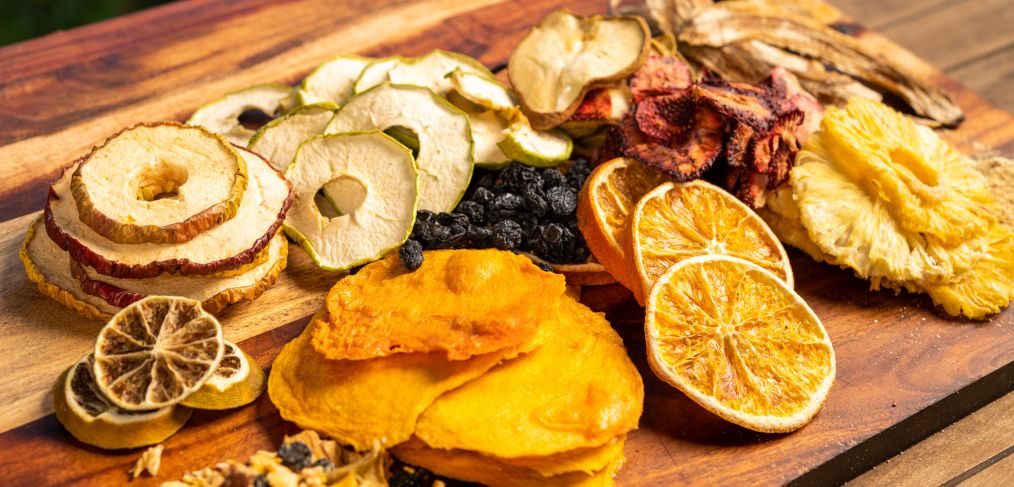
Dried fruit processing is a growing agribusiness opportunity that allows entrepreneurs to preserve fruits and sell them in a value-added form. Fresh fruits often spoil quickly due to their high moisture content, which leads to post-harvest losses for farmers and traders. Drying fruits removes most of the moisture, allowing them to last much longer while maintaining much of their natural flavor and nutrients.
For small businesses, dried fruit processing can be started with relatively low investment and simple equipment. With proper processing techniques, good hygiene, and effective packaging, dried fruits can be sold in local markets, supermarkets and even exported. As consumer demand for healthy snacks continues to grow, dried fruit products have become increasingly popular.
Understanding fruit drying
Fruit drying is a food preservation method that works by removing water from fruits. Microorganisms that cause spoilage require moisture to grow, so reducing water content helps prevent decay and extends shelf life.
Drying also concentrates the natural sugars in fruits, making them sweeter and more flavorful. Many people enjoy dried fruits as snacks, ingredients in baked products or toppings for cereals and salads
Common fruits that are suitable for drying include mangoes, bananas, pineapples, apples, papayas, grapes and jackfruit. These fruits are widely available in many agricultural regions and can be processed when they are abundant.
Importance of dried fruit processing
Dried fruit processing plays an important role in reducing food waste and increasing farmers’ income. During harvest seasons, fruits are often produced in large quantities, causing prices to drop and many fruits to go to waste.
By drying surplus fruits, entrepreneurs can preserve them for longer periods and sell them later when prices are more favorable. This not only reduces losses but also increases the economic value of the produce.
Another advantage is that dried fruits are lightweight and easy to transport. This makes them suitable for distribution to distant markets without the risk of rapid spoilage.
Fruits suitable for drying
Not all fruits dry well, so selecting suitable fruits is important. Fruits with good flavor, firm texture, and natural sweetness usually produce the best dried products.
Mangoes are among the most popular fruits for drying because of their rich flavor and attractive color. Bananas are also widely dried and sold as snack products. Pineapples, papayas, and apples are commonly processed into dried slices that are enjoyed by many consumers.
Fruits should be fresh, ripe and free from damage before processing. Poor-quality fruits will result in poor-quality dried products.
Basic equipment for small-scale fruit drying
Starting a dried fruit processing business does not require expensive machinery, especially at the beginning. Small businesses can start with simple equipment such as knives for slicing fruits, trays for drying and drying racks.
Drying can be done using natural sunlight, solar dryers, or electric dehydrators. Solar dryers are particularly useful because they protect fruits from dust, insects and rain while using renewable energy.
Other necessary equipment includes clean containers for washing fruits, cutting boards, and packaging materials such as food-grade plastic bags or sealed pouches.
Steps in the fruit drying process
The first step in dried fruit processing is sorting and selecting the fruits. Only fresh and healthy fruits should be used. Damaged or rotten fruits should be removed to maintain product quality.
The fruits are then washed thoroughly to remove dirt, pesticides and microorganisms. Clean water should be used during this stage to ensure hygiene.
After washing, the fruits are peeled and sliced into thin pieces. Thin slices allow moisture to evaporate faster during the drying process.
The fruit slices are then arranged on drying trays without overlapping. Proper spacing ensures that air circulates around each slice, allowing uniform drying.
The fruits are dried either under the sun, in a solar dryer, or using a mechanical dehydrator. The drying process may take several hours or days depending on the drying method and weather conditions.
Once the fruits become dry and slightly flexible, they are ready for packaging and storage.
Packaging and storage
Packaging plays an important role in maintaining the quality of dried fruits. Proper packaging protects the product from moisture, insects and contamination.
Dried fruits should be packaged in airtight containers or sealed plastic bags to prevent moisture absorption. Exposure to humidity can cause the fruits to spoil or develop mold.
Labels should include important information such as the product name, processing date, expiry date and contact details of the producer. Attractive packaging also helps attract customers and improve product presentation.
Dried fruits should be stored in a cool, dry place away from direct sunlight.
Marketing dried fruit products
Dried fruits have a wide market because they are convenient, nutritious, and easy to transport. They are commonly sold in supermarkets, grocery stores, health food shops and local markets.
Many consumers buy dried fruits as healthy snacks, especially people who prefer natural food products. Schools, hotels, and bakeries also use dried fruits in various food preparations.
Small businesses can also promote their products through social media platforms to reach a wider audience. Good branding and consistent product quality help build customer trust and loyalty.
Benefits of starting a dried fruit processing business
The dried fruit business offers several advantages for small entrepreneurs. It requires relatively low startup capital and can be started using simple equipment.
Processing fruits into dried products increases their market value and reduces post-harvest losses. Farmers and traders can benefit by converting surplus fruits into products that have a longer shelf life.
The business also provides opportunities for employment in fruit supply, processing, packaging, and marketing.
Dried fruit processing is a practical and profitable agribusiness opportunity for small businesses. By using simple drying methods, maintaining good hygiene and ensuring proper packaging, entrepreneurs can produce high-quality dried fruits that meet market demand.
With increasing consumer interest in healthy snacks and natural foods, dried fruit products have strong growth potential. For beginners looking to enter the food processing industry, dried fruit processing offers a sustainable way to add value to agricultural produce while generating steady income.

Author: Moureen Koech
Moureen Koech is a passionate Digital Journalist, an adept Agribusiness Writer with a keen eye for news and an impactful story-teller,whose stories provide key value to Agripreneurs and stakeholders in the Agricultural sector