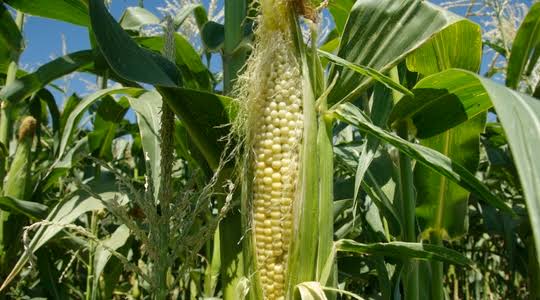
Maize (corn) is a heavy feeder crop that requires a steady supply of nutrients to achieve high yields. Using the right fertilizers at the correct time is one of the most important factors in successful maize farming. When properly fertilized, maize produces larger cobs, healthier plants, and higher grain output.
This guide explains the best fertilizers for maize how they work and how to apply them for maximum productivity.
Understanding nutrient needs of maize
Maize requires three major nutrients known as NPK:
Nitrogen (N) – promotes leaf growth and green color
Phosphorus (P) – supports root development and early growth
Potassium (K) – improves grain filling, disease resistance and plant strength
In addition to these, maize also needs small amounts of micronutrients such as zinc and calcium for optimal growth.
A balanced fertilizer program ensures that the crop receives all these nutrients at the right stages.
Best fertilizers for maize farming
1. NPK fertilizers (Balanced Nutrition)
NPK fertilizers are among the best options for maize because they contain all three essential nutrients. Common formulations include:
- NPK 15:15:15
- NPK 20:10:10
These fertilizers are usually applied at planting to support early growth and development. They provide a balanced nutrient supply that helps maize establish strong roots and healthy shoots.
NPK fertilizers are ideal for farmers who want a simple, all-in-one fertilizer solution.
2. DAP (Diammonium Phosphate)
DAP is one of the most recommended fertilizers for maize at planting. It contains high levels of phosphorus and nitrogen, which are essential for early growth.
Phosphorus helps in strong root formation, which is critical during the early stages of maize development.
Farmers commonly apply DAP directly into planting holes or along planting rows to boost early crop establishment.
3. Urea (High Nitrogen Fertilizer)
Urea is a nitrogen-rich fertilizer containing about 46% nitrogen. It is mainly used during the vegetative stage to promote rapid leaf growth and plant development.
It is commonly applied as a top dressing fertilizer usually 3–6 weeks after planting.
However, excessive use of urea can lead to too much leaf growth and poor grain formation, so it should be applied carefully.
4. CAN (Calcium Ammonium Nitrate)
CAN is another excellent nitrogen fertilizer widely used in maize farming. It contains nitrogen and calcium, which improve plant strength and nutrient uptake.
CAN is preferred by many farmers because:
- It is less likely to burn crops
- It improves soil structure
- It enhances disease resistance
It is typically used for top dressing and supports strong plant growth and grain formation.
5. Muriate of Potash (MOP)
Potassium is essential for maize, especially during flowering and grain filling. MOP is a common potassium fertilizer used to:
- Improve grain size
- Increase resistance to drought and diseases
- Strengthen plant stems
Potassium plays a key role in producing well-filled and high-quality maize cobs.
6. Organic Fertilizers (Manure and Compost)
Organic fertilizers are important for improving soil health and long-term productivity. Examples include:
- Farmyard manure
- Poultry manure
- Compost
These fertilizers improve soil structure, water retention and microbial activity. They also release nutrients slowly, providing long-term benefits to crops.
For best results, organic fertilizers should be applied before planting and combined with inorganic fertilizers.
7. Micronutrient fertilizers
In some soils, maize may suffer from deficiencies in micronutrients such as zinc. Zinc fertilizers can help improve plant growth and prevent stunted development.
Micronutrients are needed in small amounts but play a crucial role in maximizing yield and crop health.
Fertilizer application schedule for maize
To achieve high yields, fertilizers should be applied at different growth stages:
At Planting
Apply:
- DAP or NPK fertilizer
- Organic manure (optional)
This supports root development and early growth.
Top Dressing (3–6 Weeks After Planting)
Apply:
- CAN or Urea
This promotes vegetative growth and strong plant development.
Second Top Dressing (6–8 Weeks)
Apply:
- Urea or CAN
This supports flowering and grain formation.
Splitting nitrogen application into stages improves nutrient uptake and reduces losses.
Tips for maximum yield
To get the best results from fertilizers:
- Conduct soil testing before planting
- Apply fertilizers at the correct time
- Avoid placing fertilizer directly on seeds
- Ensure adequate soil moisture during application
- Use a balanced combination of nutrients
Proper fertilizer management can significantly increase maize yields and profitability.
Choosing the best fertilizer for maize farming is essential for achieving high yields and healthy crops. Fertilizers such as NPK, DAP, Urea, CAN and MOP each play a specific role in supporting maize growth at different stages.
By combining organic and inorganic fertilizers and applying them correctly, farmers can improve soil fertility, increase productivity and maximize profits.
With proper nutrient management, maize farming becomes not only productive but also a highly profitable agribusiness venture.

Author: Moureen Koech
Moureen Koech is a passionate Digital Journalist, an adept Agribusiness Writer with a keen eye for news and an impactful story-teller,whose stories provide key value to Agripreneurs and stakeholders in the Agricultural sector