Harvesting is one of the most critical stages in the farming cycle. It marks the point where months of hard work, investment and care finally translate into food and income. Proper harvesting techniques ensure that crops are collected at the right time, handled carefully and preserved in good condition. When done correctly, harvesting helps maintain quality, reduce losses, and increase profits for farmers.
In modern agribusiness, harvesting is not just about picking crops; it is a strategic process that directly affects market value and shelf life. Understanding the right harvesting methods can make a significant difference in farm productivity and income.
Understanding the right time to harvest
One of the most important aspects of harvesting is timing. Harvesting too early can result in immature crops with poor taste and lower market value, while harvesting too late can lead to spoilage, pest damage or losses in quality.
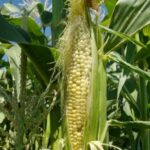
Different crops have specific maturity indicators. For example, grains such as maize are ready when the cobs are dry and hard, while fruits like mangoes change color and soften slightly when ripe. Vegetables such as tomatoes and cabbages should be harvested based on size, firmness and color.
Farmers should carefully observe their crops and understand the signs of maturity to ensure they harvest at the optimal time.
Manual harvesting techniques
Manual harvesting is the most common method used by small-scale farmers. It involves using hands or simple tools such as knives, sickles or hoes to harvest crops.
This method is suitable for crops like vegetables, fruits, and legumes where careful handling is required. Manual harvesting allows farmers to select only mature crops, reducing waste and maintaining quality.
However, manual harvesting can be labor-intensive and time-consuming, especially for large farms. Despite this, it remains popular because it requires minimal investment and provides better control over crop selection.
Mechanical harvesting techniques
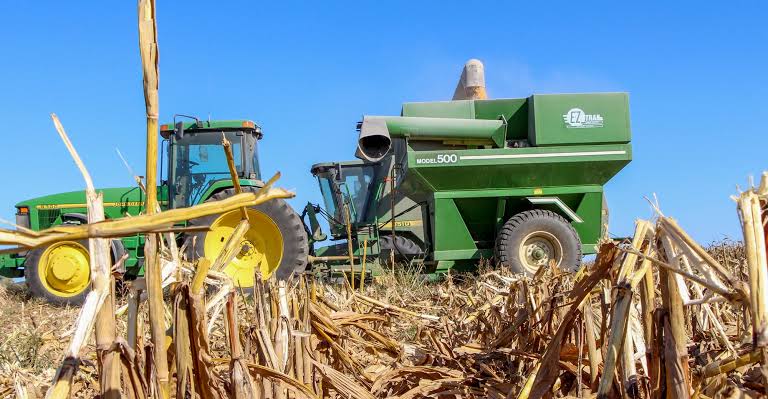
Mechanical harvesting involves the use of machines to harvest crops. This method is common in large-scale farming where efficiency and speed are important.
Machines such as combine harvesters are used for crops like wheat, maize, and rice. These machines can cut, thresh, and clean crops in one process, saving time and labor costs.
Mechanical harvesting is highly efficient but requires significant investment in equipment. It is best suited for commercial farmers with large land areas and access to machinery.
Harvesting techniques for different crops
Different crops require different harvesting methods to maintain quality and reduce damage.
Grain crops such as maize, wheat and rice are usually harvested when they are dry. They can be cut manually or harvested using machines. Proper drying after harvesting is important to prevent mold and spoilage.
Fruits such as mangoes, oranges, and bananas should be picked carefully to avoid bruising. They are often harvested by hand and placed gently in containers.
Vegetables such as tomatoes, cabbages, and peppers require careful handling to maintain freshness. Harvesting is often done in stages as different plants mature at different times.
Root crops such as potatoes, carrots, and onions are harvested by digging them out of the soil. Care should be taken to avoid cutting or damaging the produce.
Importance of proper handling during harvest
Handling crops properly during harvesting is essential to maintain their quality. Rough handling can cause bruising, cuts or contamination, which reduces market value.
Farmers should use clean containers and avoid overfilling them. Crops should be kept in shaded areas to prevent exposure to direct sunlight, which can cause moisture loss and spoilage.
Good handling practices ensure that crops reach the market in the best possible condition.
Post-harvest handling and storage
Harvesting does not end in the field. Post-harvest handling plays a major role in reducing losses and maintaining quality.
After harvesting, crops should be cleaned, sorted, and graded based on size and quality. This makes it easier to sell them in different markets.
Proper storage is also important. Grains should be dried to safe moisture levels before storage to prevent mold growth. Fruits and vegetables should be stored in cool and well-ventilated conditions to maintain freshness.
Reducing post-harvest losses helps farmers increase their income and improve food security.
Reducing harvest losses
A significant amount of farm produce is lost during harvesting due to poor techniques. Losses can occur due to delayed harvesting, improper tools, or poor handling.
Farmers can reduce losses by using the right tools, harvesting at the correct time, and training workers on proper techniques. Planning the harvesting process in advance also helps ensure efficiency.
Reducing losses means more produce reaches the market, leading to higher profits.
Benefits of proper harvesting techniques
Using the right harvesting techniques offers many advantages. It helps maintain crop quality, which attracts better prices in the market. It also reduces waste and improves overall farm productivity.
Proper harvesting techniques also enhance the shelf life of produce, allowing farmers to store and transport crops without significant losses.
For agribusiness entrepreneurs, good harvesting practices contribute to customer satisfaction and business growth.
Harvesting is a crucial stage in farming that determines the quality and profitability of agricultural produce. By understanding the right time to harvest, using appropriate techniques and handling crops carefully, farmers can maximize their yields and income.
Whether using manual or mechanical methods, the goal of harvesting is to collect crops efficiently while maintaining their quality. Combined with proper post-harvest handling and storage, effective harvesting techniques help farmers succeed in modern agribusiness.
For anyone involved in farming, mastering harvesting techniques is an essential step toward achieving sustainable and profitable agricultural production.

Author: Moureen Koech
Moureen Koech is a passionate Digital Journalist, an adept Agribusiness Writer with a keen eye for news and an impactful story-teller,whose stories provide key value to Agripreneurs and stakeholders in the Agricultural sector